Day 1 – Strength + Core
30 mins.
Warm-up (5 min)
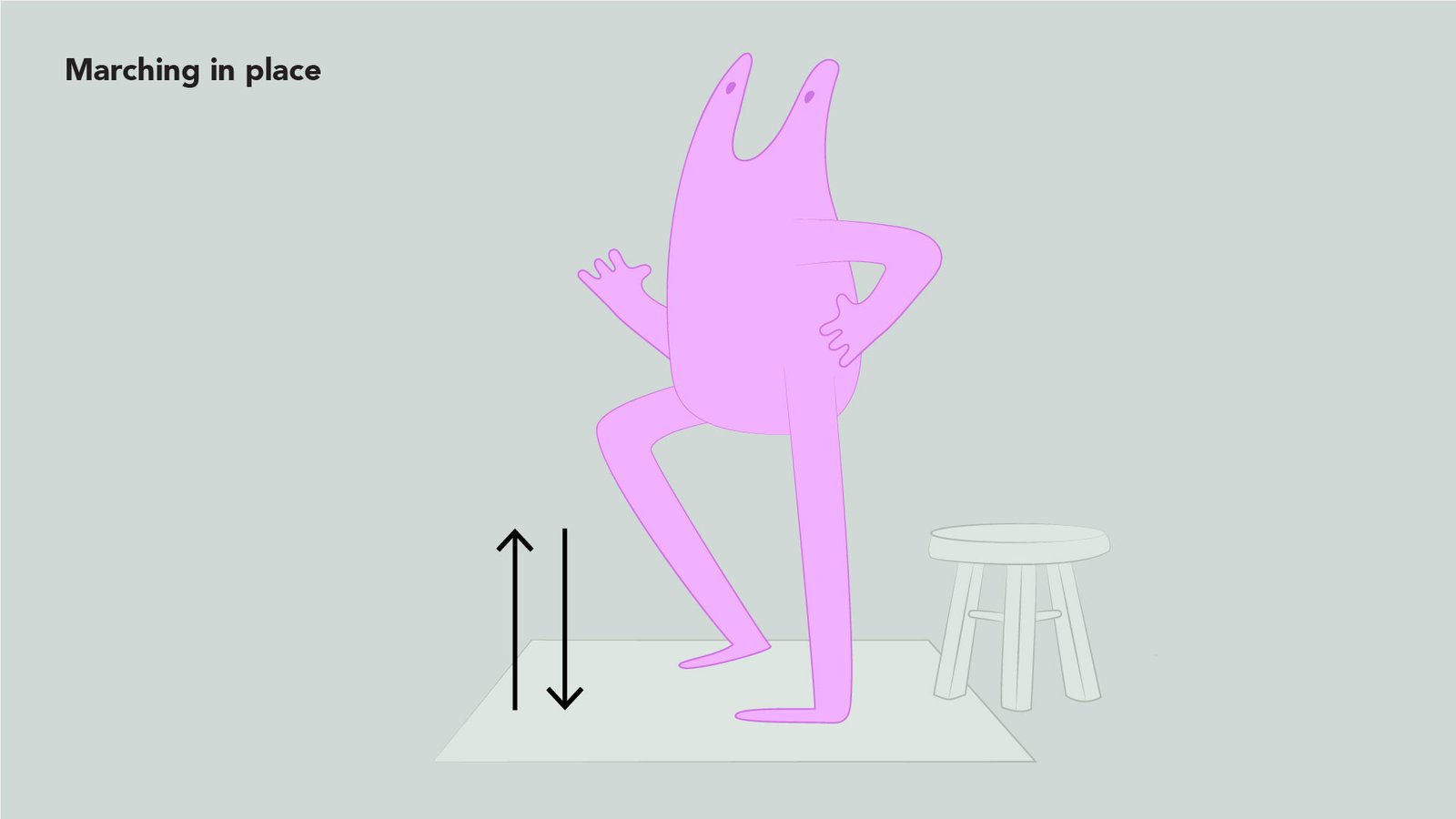
- March or slow step-ups (2 min): light arm swing, quiet feet.

- Hip + ankle circles (60–90 sec):
- Hip circles: stand on one leg, lifting the other knee to your chest. Rotate your hip to the side, drawing a large, circular motion with your knee.
- Ankle circles: sit in a chair with your feet flat on the floor, or stand and lift one foot off the ground. Point your toes down and rotate your ankle clockwise, keeping your upper leg still. Imagine your big toe is a pencil drawing circles on a surface.

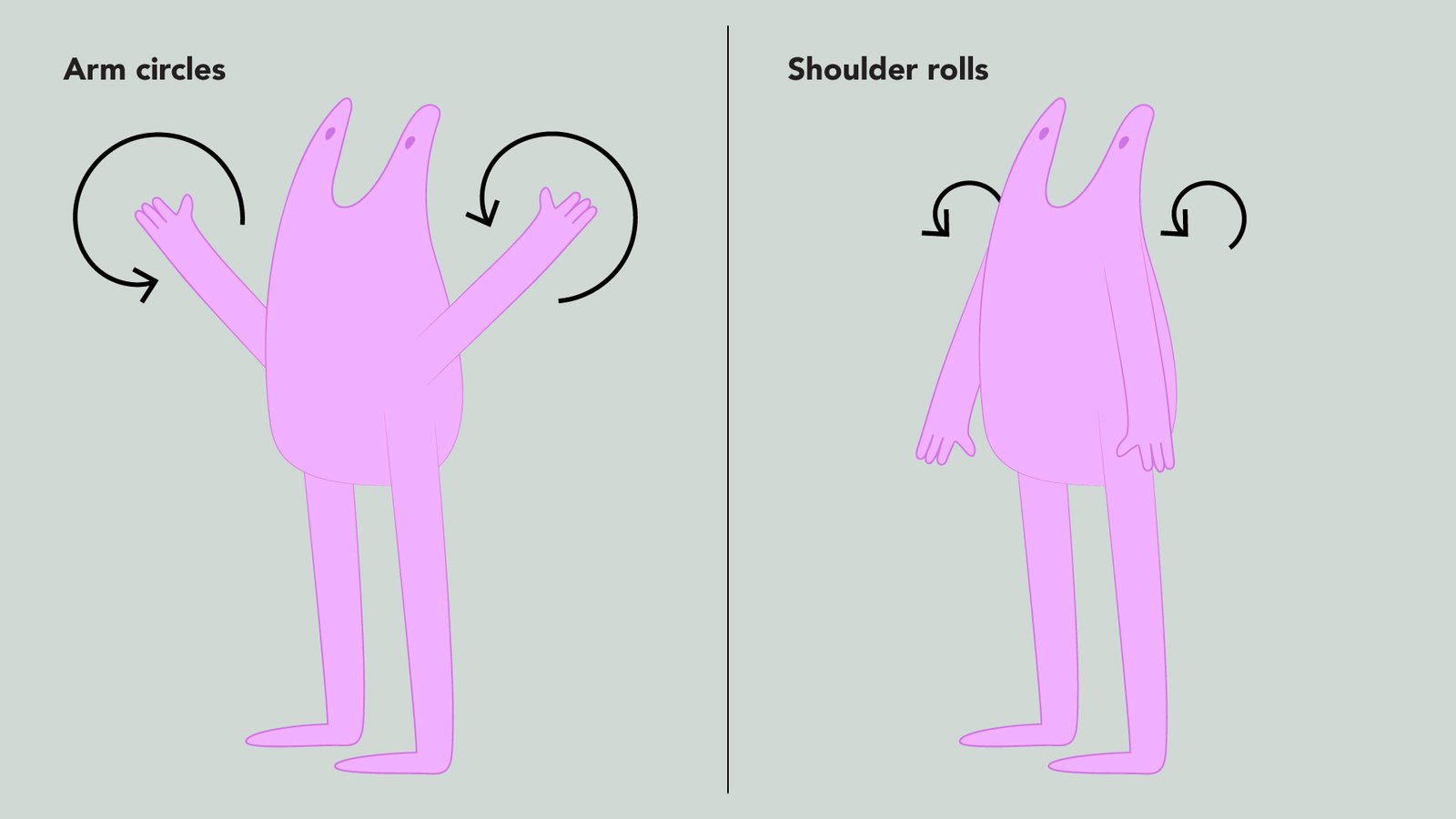
- Arm circles & shoulder rolls (60–90 sec):
- Arm circles: stand tall with arms extended to the sides, then make small or large circular motions forward or backward.
- For shoulder rolls, keep your arms relaxed at your sides and make a circular motion with your shoulders, moving them up, back, down, and forward.
Main (20 min)
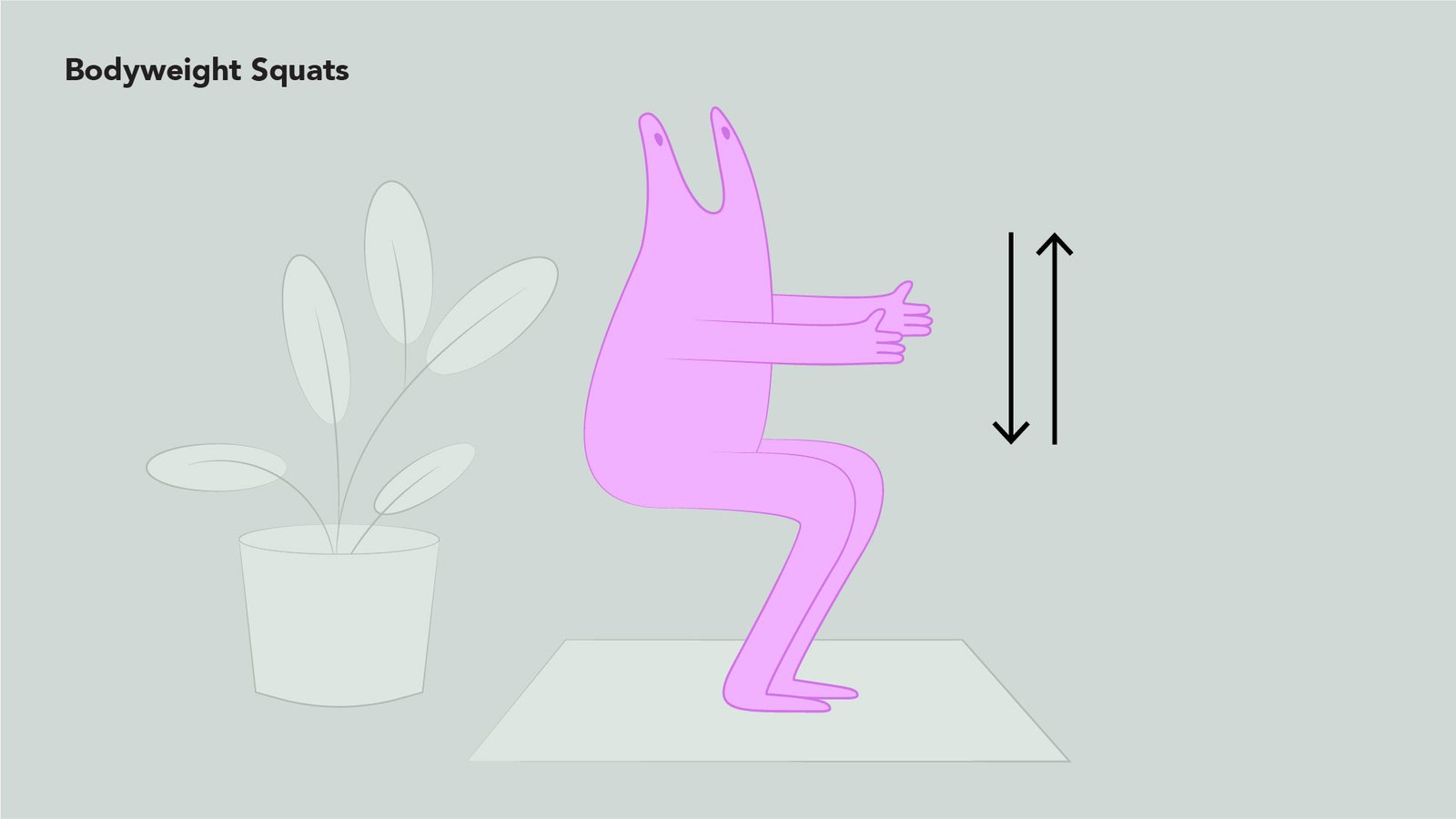
Bodyweight Squats – 2×10–12
Thighs & glutes; posture + knee tracking practice.
- Setup: stand with your feet shoulder-width apart and toes slightly turned out.
- Move: keeping your chest up and back straight, lower your hips back and down as if sitting in a chair, ensuring your knees track over your toes. Go as low as comfortable, ideally until your thighs are parallel to the floor, then push through your heels to return to the starting position
- Breathe: inhale down, exhale up.
- Form check: heels stay down; knees track over middle toes; chest stays proud.
Modified Push-ups (on knees or counter) – 2×8–10
Chest/shoulders/triceps + core line.
- Knee version: start on your hands and knees with your hands wider than shoulder-width apart, then lower your chest by bending your elbows until it’s close to the floor, while keeping your back straight and core engaged, and push back up.
- Counter version: stand and place your hands on a counter, or another elevated surface, and perform the same motion.
- Breathe: inhale down, exhale up.
- Form check: focus on keeping your body in a straight line.
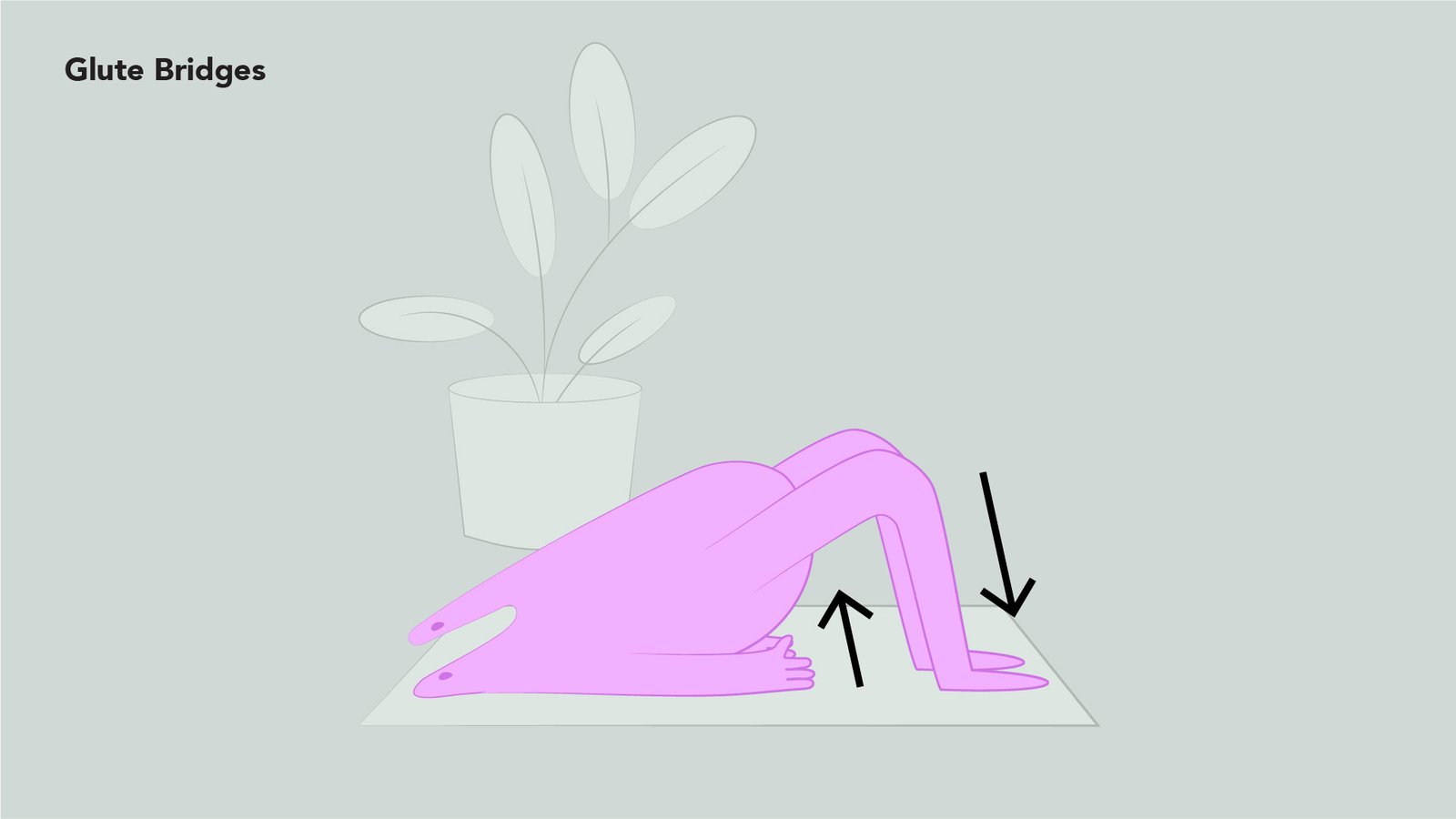
Glute Bridges – 2×12
Glutes/hamstrings; great for hips + low back support.
- Setup: lie on your back with your knees bent and feet flat on the floor, hip-width apart.
- Move: keeping your core engaged, lift your hips off the ground until your body forms a straight line from shoulders to knees. Squeeze your glutes at the top, hold briefly, and then slowly lower your hips back down
- Form checks: focus on using your glutes to lift your hips. Placing your feet slightly further away from your body will use more hamstrings, while bringing them closer emphasizes the glutes.
Forearm Plank (on knees) – 3×15 sec
Deep core; bracing without strain.
- Setup: lie face down and place your elbows directly under your shoulders with forearms on the floor.
- Move: lift your body so it forms a straight line from head to heels by engaging your abs and glutes, keeping your back flat and neck neutral. Hold the position for as long as you can maintain proper form
Rest: 45–75 sec between exercises.
Cool-down (5 min)
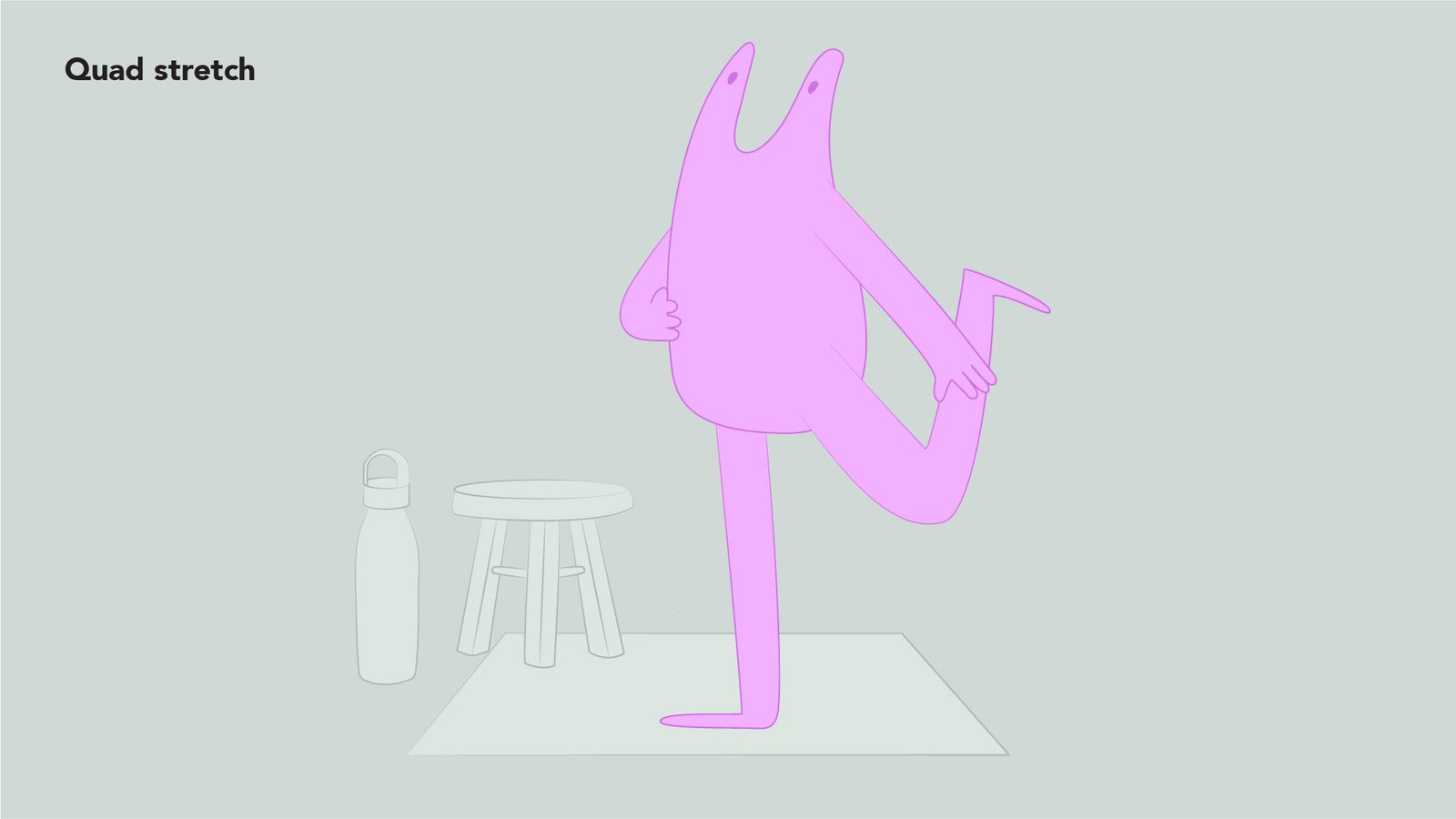
- Quad stretch (30–45 sec/side): stand tall, hold your ankle and pull your heel toward your glutes while keeping your knees close together, and hold for 30 seconds before switching legs. You can use a wall or table for balance if needed.
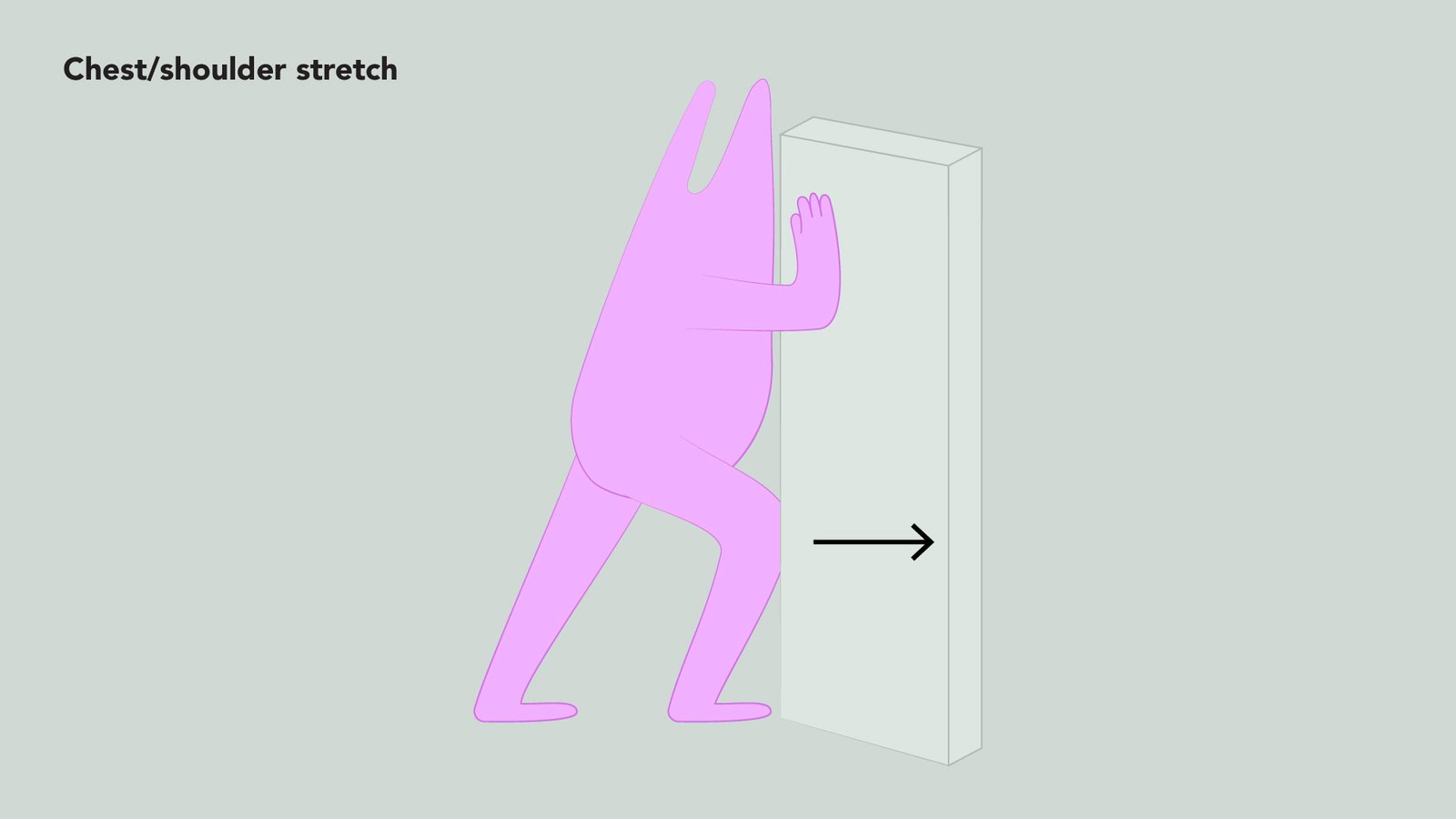
- Chest/shoulder stretch (30–45 sec): stand in a doorway and place one arm against the doorframe, with your elbow bent at a 90-degree angle and your forearm on the frame. Step forward with the foot on the same side as the arm that is against the doorframe. Gently lean your body forward through the doorway until you feel a stretch in your chest and shoulder. Hold for 15-30 seconds, breathing normally. Repeat on the other side.
- Slow nasal breathing (60–90 sec): slowly inhale through your nose while feeling your belly or chest rise, and exhale slowly through your nose. Focus on a smooth, calm rhythm.
Why Strength & Core Exercise Helps?
Strength protects bone and joint health; glute/core work stabilizes hips and spine; slow tempo builds control and confidence.
Day 2 – Moderate Cardio
30 minutes.
Warm-up (5 min)
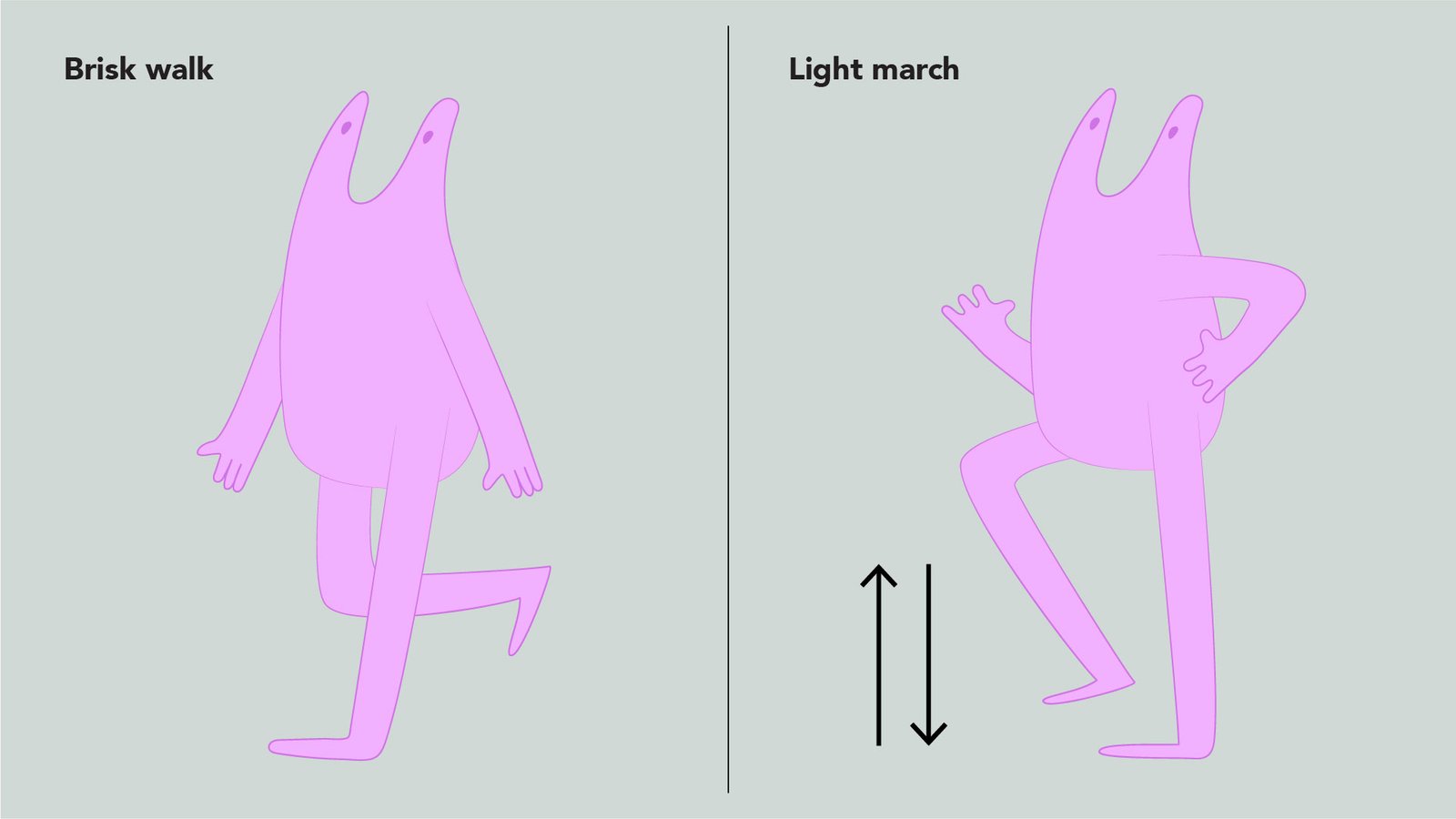
- Brisk walk or light march (3 min): arms swing naturally.
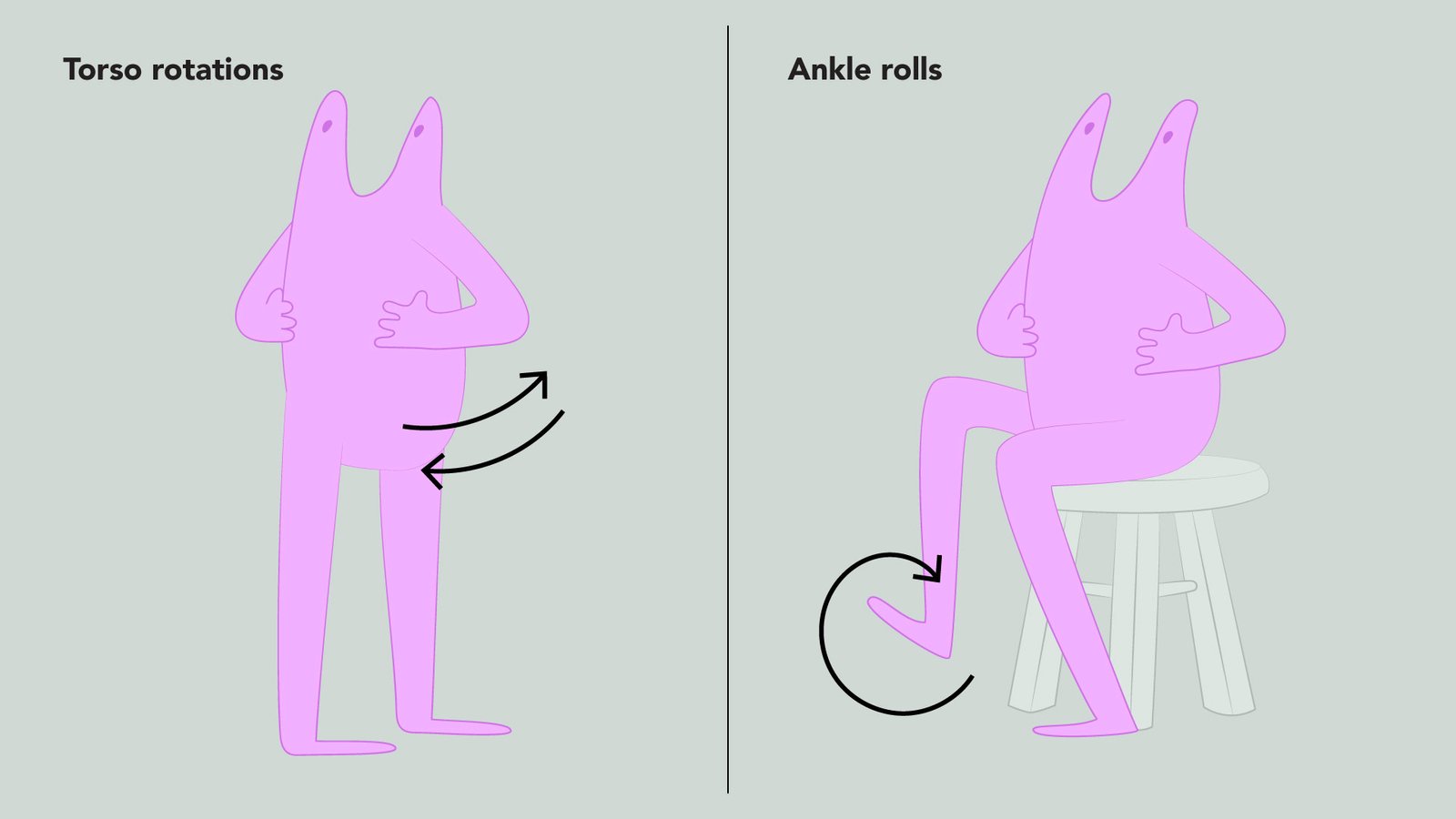
- Torso rotations + ankle rolls (2 min):
- Torso: sit or stand and rotate your torso slowly from side to side, keeping your hips stable.
- Ankle: sit with one foot lifted, rotate it clockwise 10 times, and then counter-clockwise 10 times, repeating on the other foot.
Main (20 min)
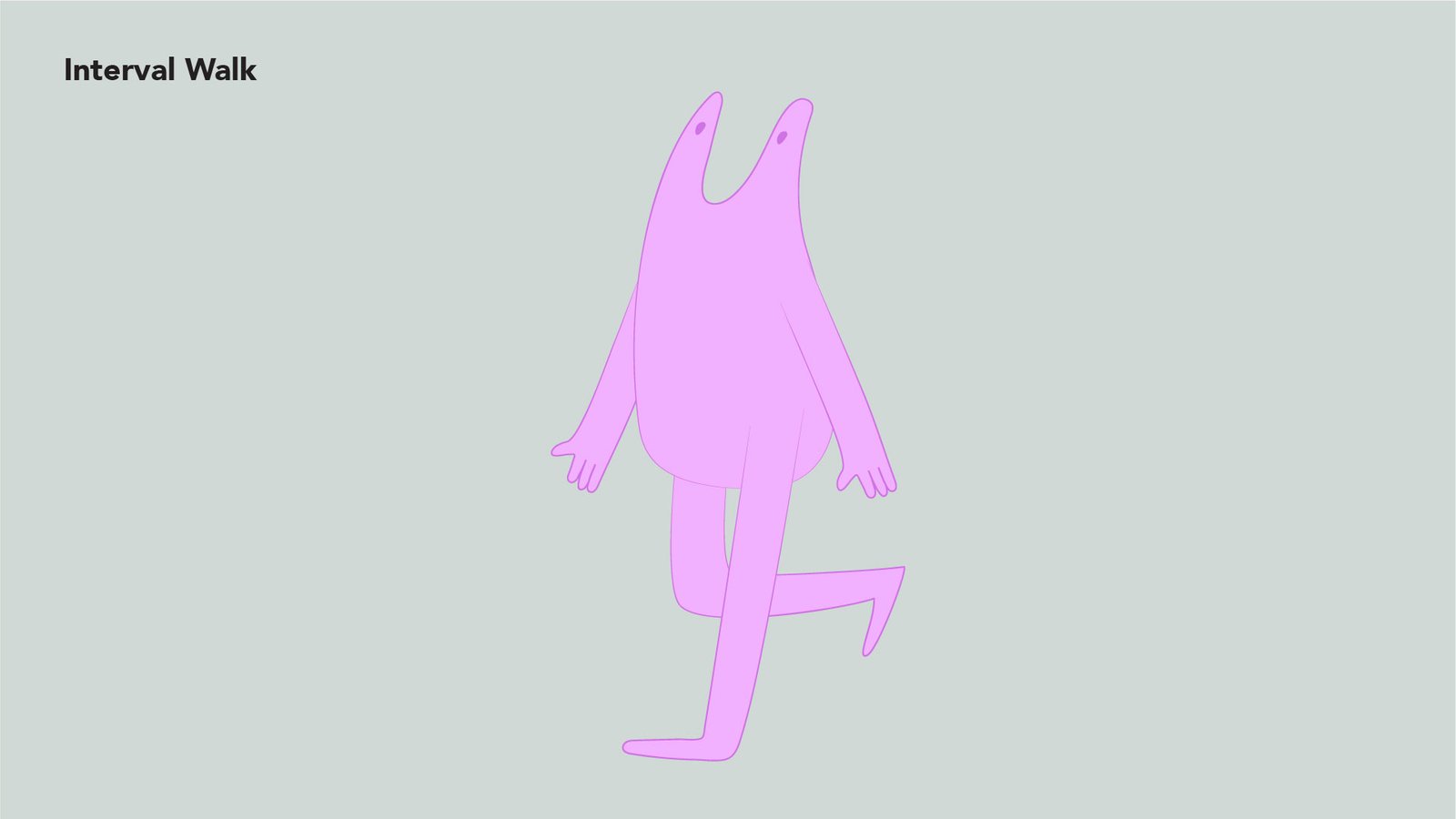
Interval Walk (6 rounds):
- Move: alternate between 1 min of brisk walking and 2 mins of slow walking for about 20 minutes.
- Form check: posture tall, arms swing; quick, light steps on brisk minutes.
- Options: add arm swings, occasional knee lifts, or carry very light dumbbells (0.5–1 kg) for variety – only if posture stays tall.
Indoor option: walk circuits at home, march in place, or step side-to-side.
Cool-down (5 min)
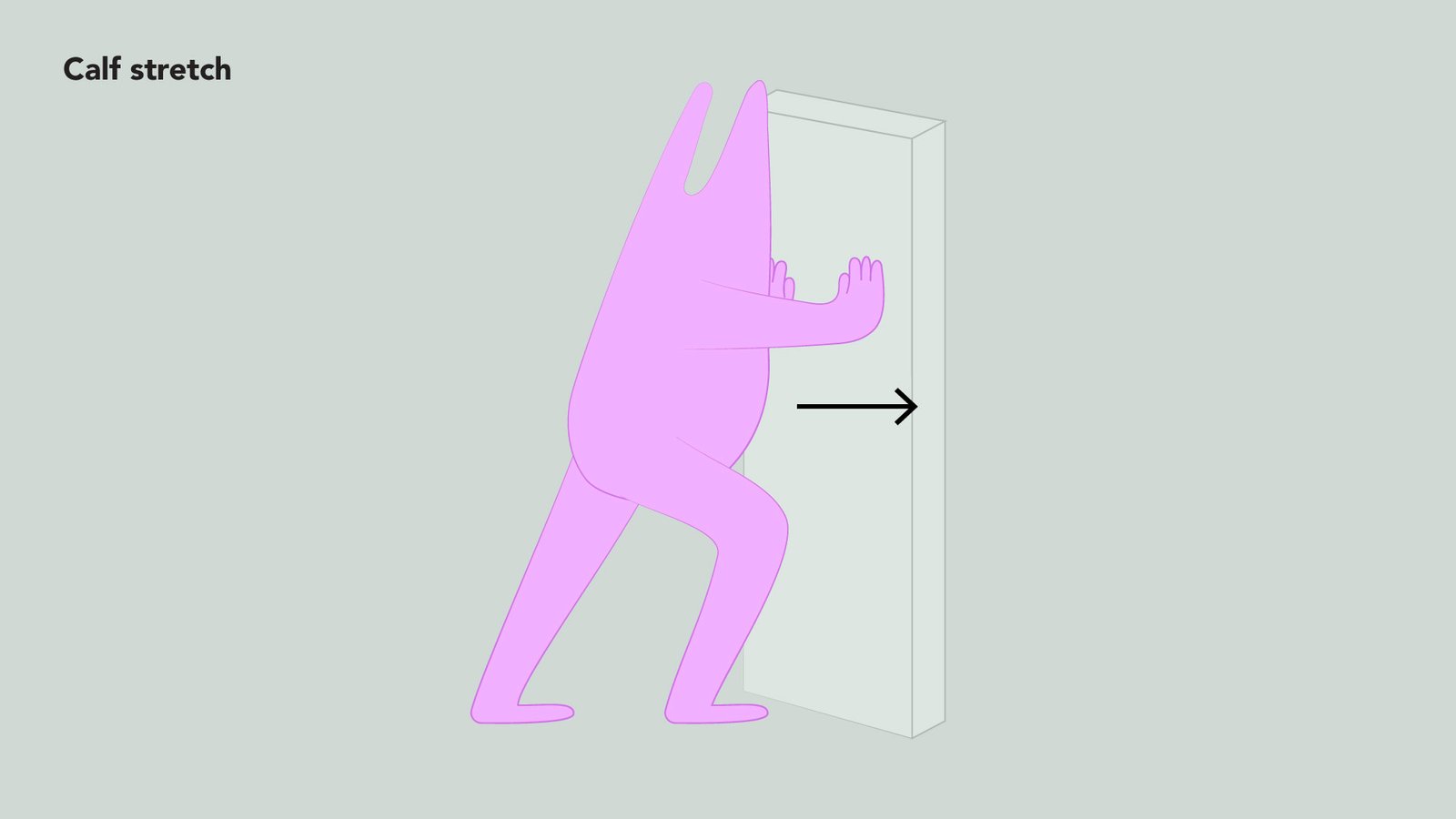
- Calf stretch (30–45 sec/side): face a wall with your hands on it, place one leg back with the heel on the floor, and lean forward while keeping that back leg straight until you feel a stretch. Hold for 15-30 seconds, then repeat on the other leg.
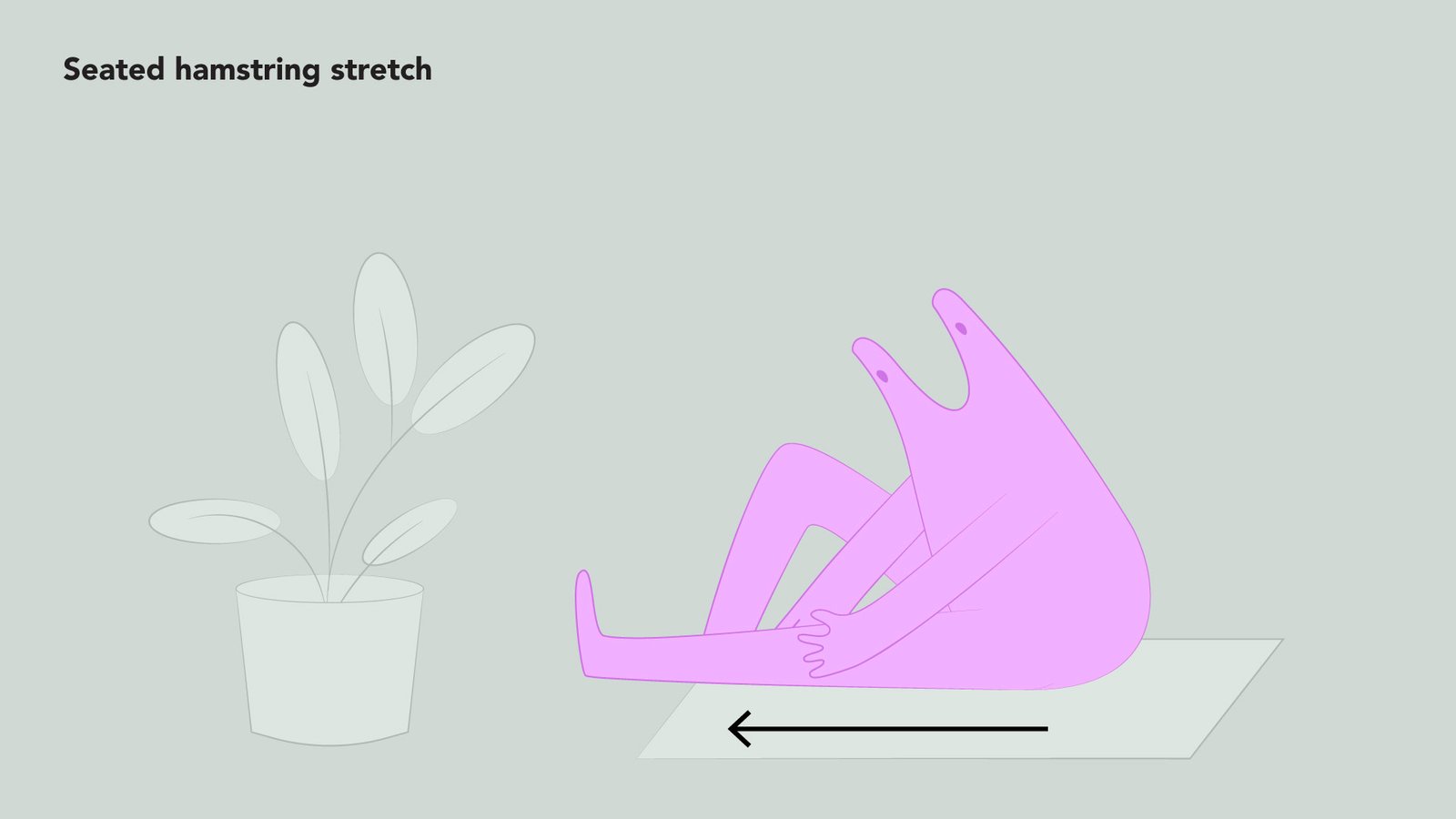
- Seated hamstring stretch (30–45 sec/leg): sit with one leg extended, heel on the floor, and the other leg bent with the foot flat on the floor. Keep your back straight, lean forward from your hips to feel a stretch in the back of the extended thigh, and hold for 30 seconds before switching legs.
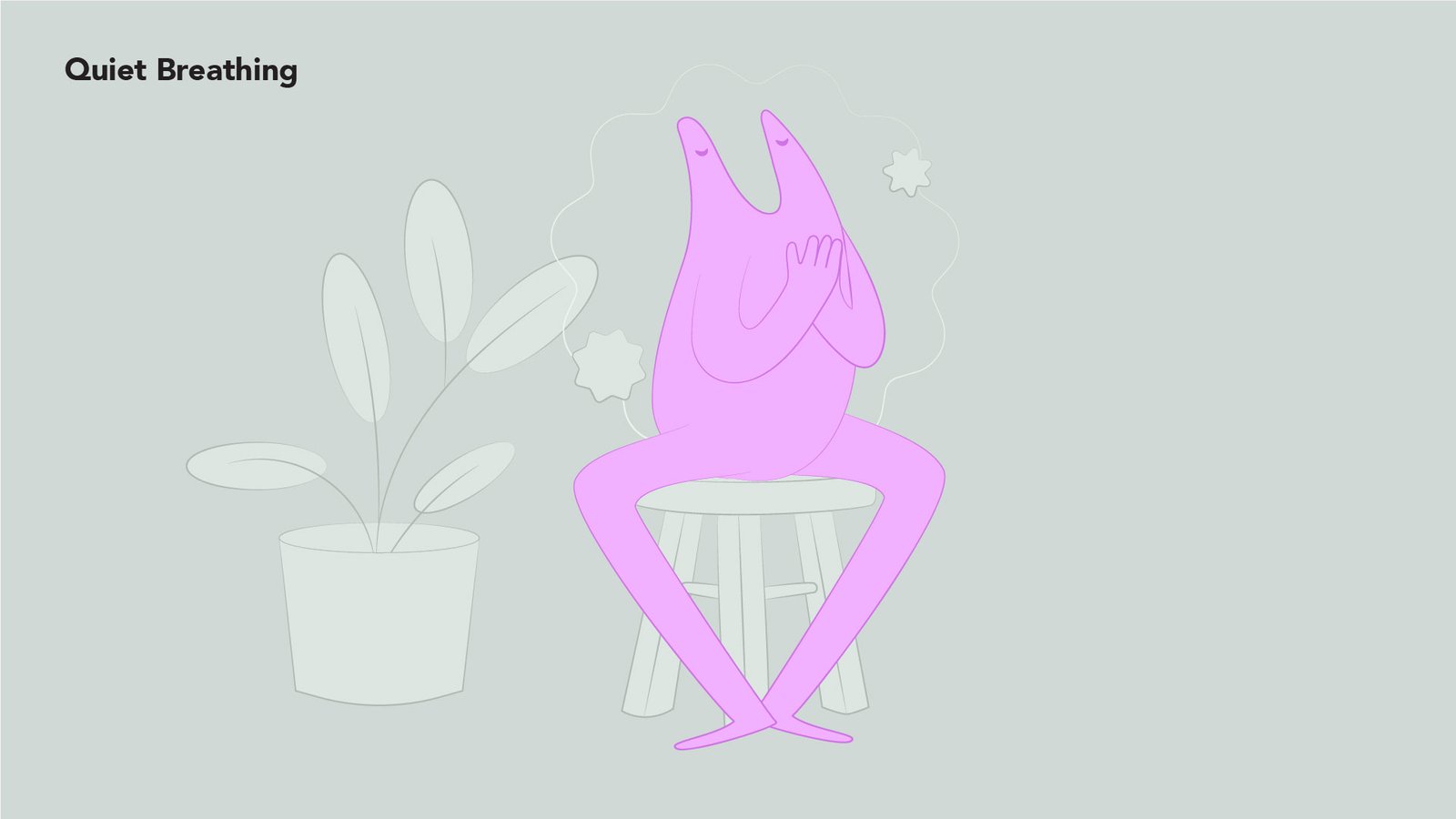
- Quiet breathing (1–2 min): breathe in gently and silently through your nose, allowing your belly to expand while your chest remains relaxed and still. Exhale slowly and lightly through your nose or mouth, focusing on releasing tension, and pause briefly before the next inhale.
Why Moderate Cardio Exercise Helps?
Intervals build heart-lung fitness, insulin sensitivity, and stamina without long sessions; easy minutes help recovery.
Day 3 – Yoga + Pilates Mix
30 minutes
Warm-up (5 min)
- Cat–Cow (~8 slow reps): hands under shoulders, knees under hips; inhale Cow, exhale Cat.
- Child’s Pose (45–60 sec): hips back, arms forward.
Main (20 min)
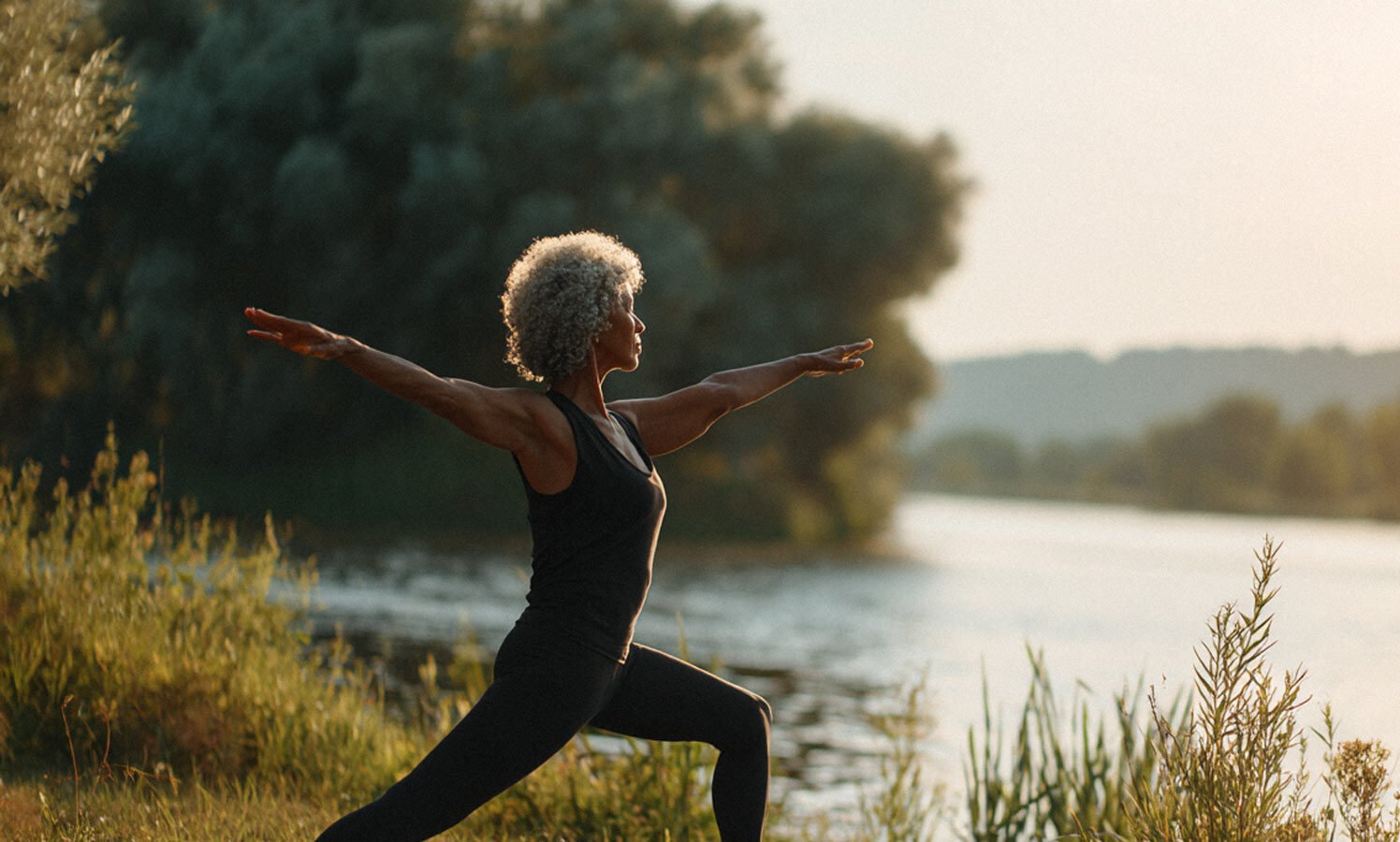
Warrior II – 2×20–30 sec/side
Hips, legs, posture + focus.
- Stand in a wide stance with your right foot turned out 90 degrees and your left foot angled slightly inward.
- Bend your right knee so it is stacked over your ankle, extend your arms out parallel to the floor, and turn your gaze over your right fingertips.
- Keep your torso upright and long, with hips open to the side, and hold the pose for 5-10 breaths before switching sides
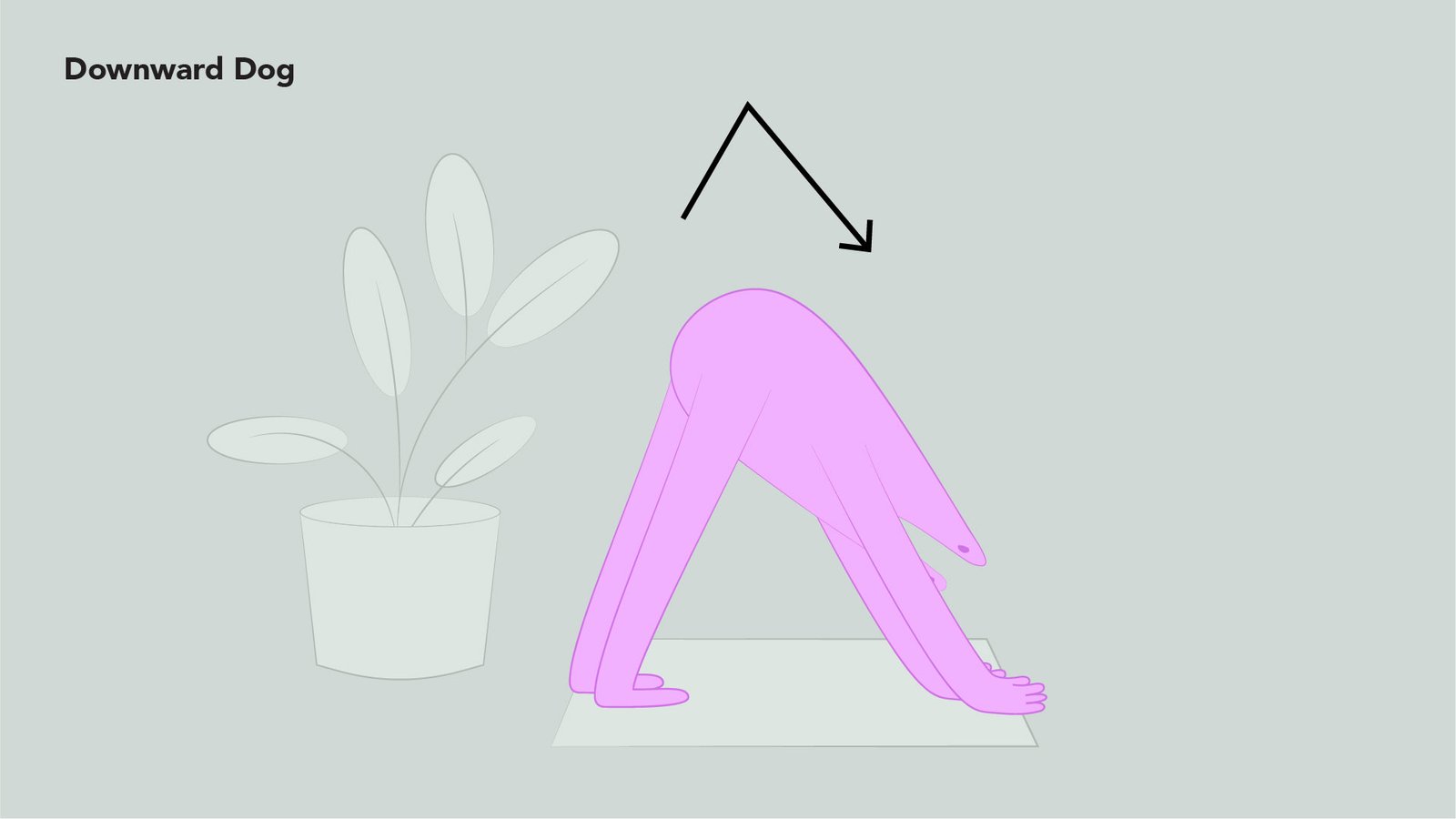
Downward Dog – 2×20–30 sec
Back line stretch; shoulders + core.
- Come to a tabletop position with your hands directly under your shoulders and your knees under your hips.
- Spread your fingers wide and press down through your knuckles and fingertips, keeping your index fingers pointing forward.
- Tuck your toes under. Lift your hips up and back, straightening your legs as much as possible without locking your knees.
- Bend your knees slightly to prioritize a long, straight spine.
- Press your chest towards your thighs to create length from your wrists to your hips.
- Rotate your upper arms outward to broaden your collarbones and move your shoulder blades away from your ears.
- While keeping a slight bend in your knees, press your heels down towards the floor.
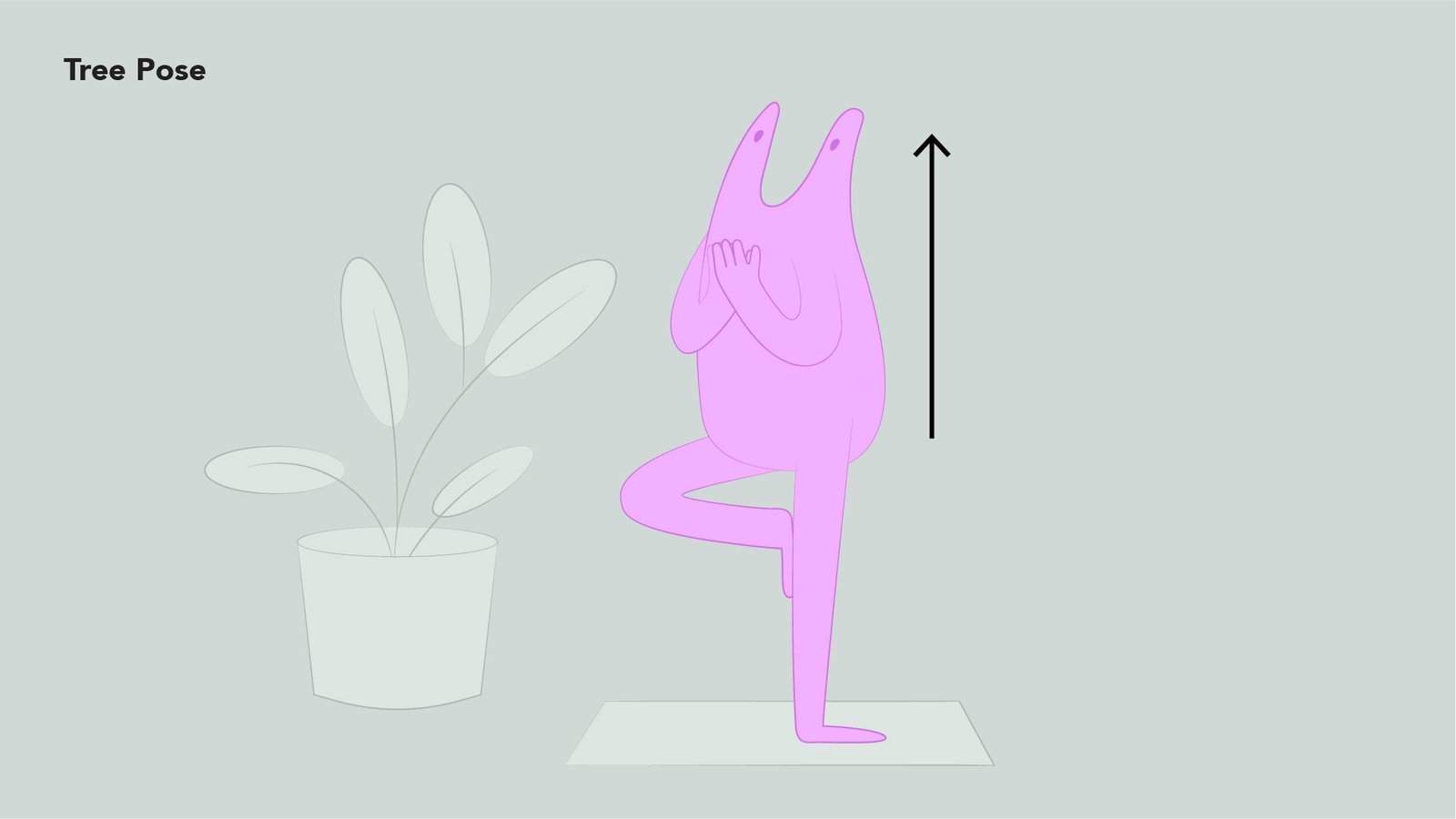
Tree Pose – 2×20–30 sec/side
Balance + ankle/hip stability.
- Stand with your feet together and your arms relaxed at your sides.
- Shift your weight to one leg, and place the sole of the other foot on the inner thigh of the standing leg, above or below the knee.
- Find your balance by focusing your gaze on a single point and keeping your spine straight, then raise your hands overhead in a prayer position.
- For an easier version, keep your toes on the ground and your heel on the shin.
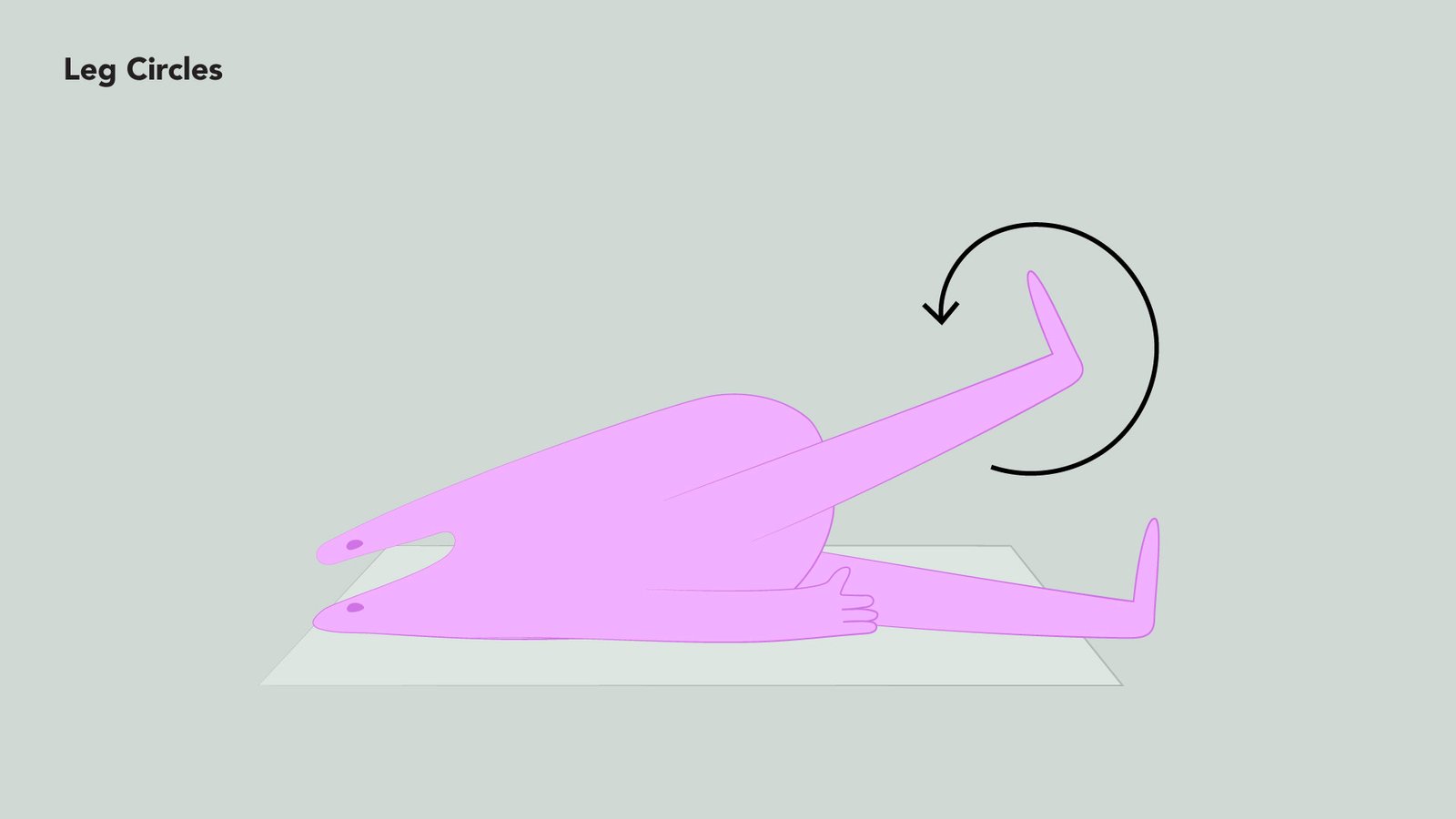
Pilates Leg Circles – 2×6–8/leg (each direction)
Hip mobility + deep core awareness.
- Lie on your back with one leg extended to the ceiling and the opposite leg on the mat.
- Keep your pelvis still, cross the raised leg over the midline, circle it down and around, and return to the starting position, breathing with the movement.
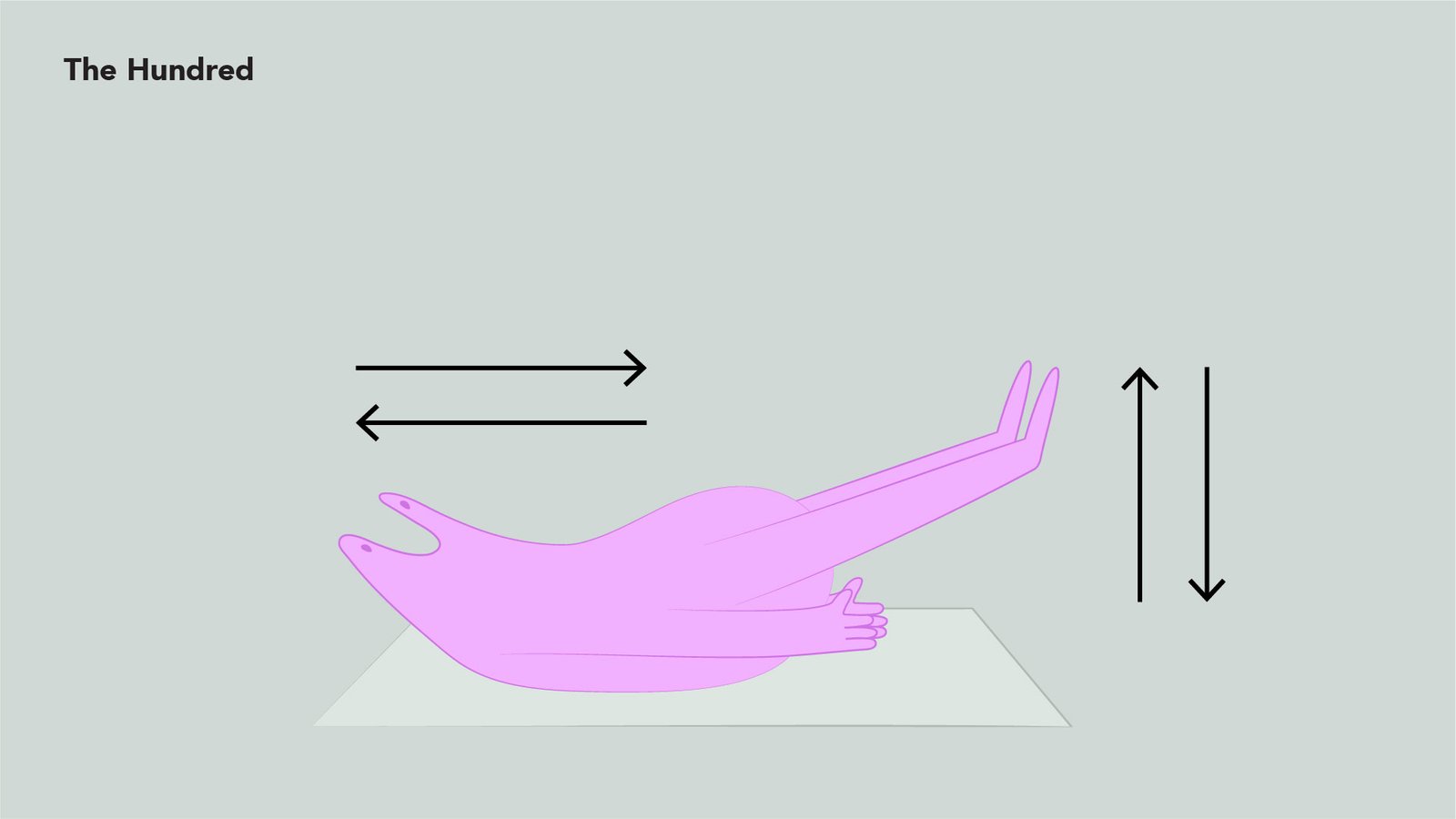
The Hundred (modified) – 2×30–40 pulses
Breath + core endurance.
- Lie on your back, lift your head, neck, and shoulders, and extend your arms straight out at your sides.
- Then, pump your arms up and down vigorously while inhaling for five counts and exhaling for five counts.
Cool-down (5 min)
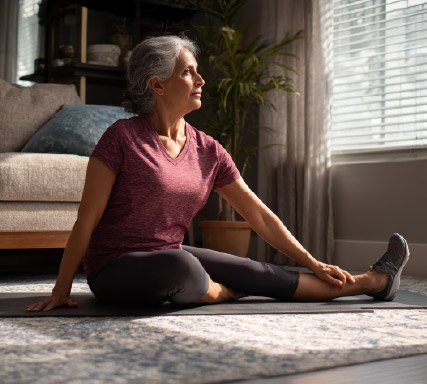
- Seated forward fold (30–45 sec): sit with your legs straight out in front of you, and hinge at your hips to fold forward, keeping your spine long.
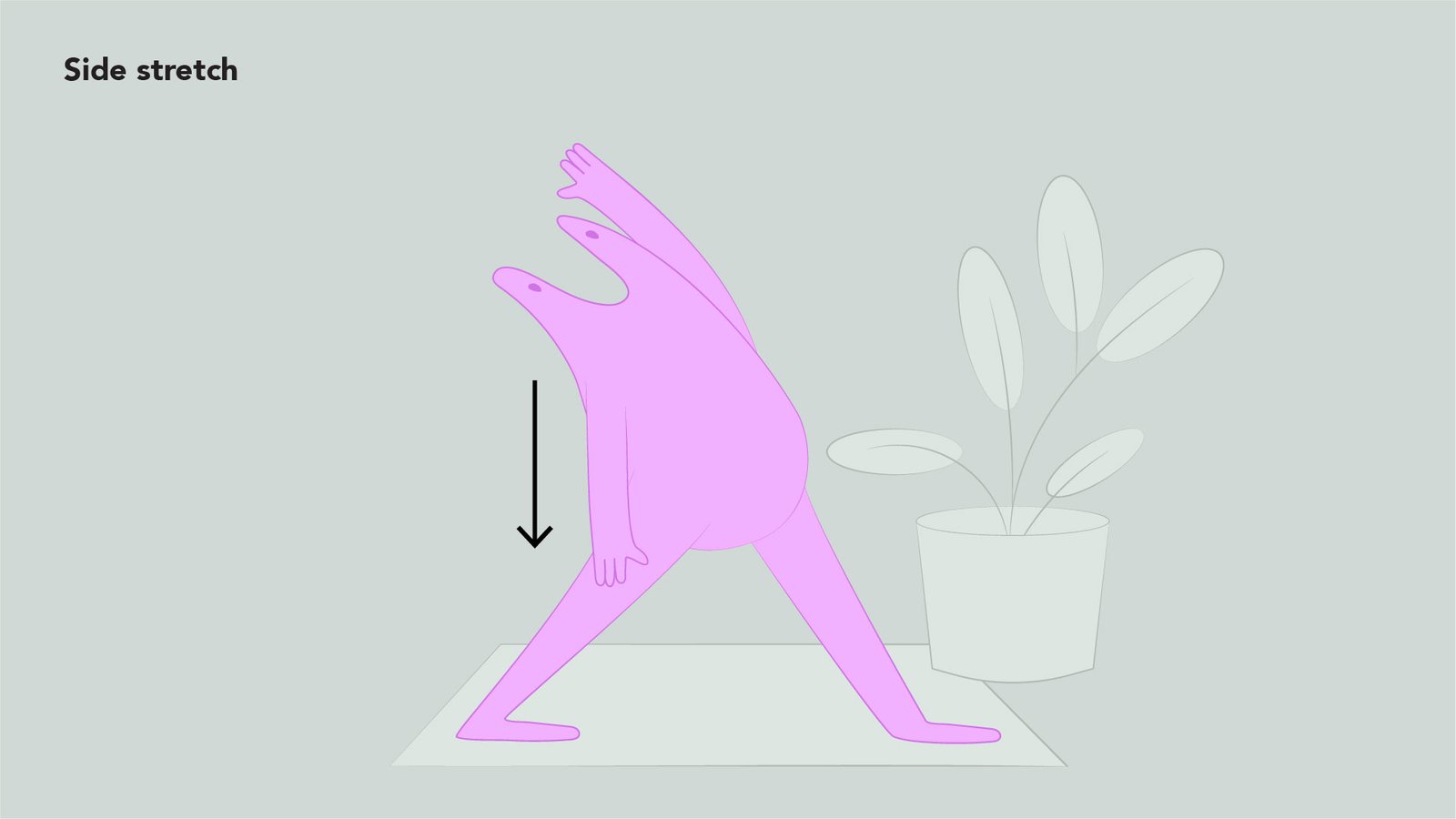
- Side stretch (30–45 sec/side): stand with feet shoulder-width apart, reach one arm overhead, and gently bend your upper body to the opposite side, feeling the stretch along your side.
- Quiet breathing (1–2 min): breathe in gently and silently through your nose, allowing your belly to expand while your chest remains relaxed and still. Exhale slowly and lightly through your nose or mouth, focusing on releasing tension, and pause briefly before the next inhale.
Why Yoga & Pilates Mix Helps?
Yoga builds mobility, posture, and calm; pilates layers in deep-core control to support everything else you do.
Disclaimer
I’m not a certified coach or a healthcare professional. This plan is general guidance for educational purposes only. Please move at your own pace, use proper form, and modify as needed to avoid injury. Stop if you feel pain, dizziness, or unusual symptoms. This is a recommendation, not medical advice – consult your clinician before starting or changing any exercise routine, especially if you have existing conditions or take medication.
Quick Recovery Habits
- Hydrate, especially if hot flashes are frequent.
- Eat more protein to support muscle repair (aim to include a protein source each meal).
- Easy movement on rest days (5–20 min walk or gentle mobility).
- Wind-down ritual (dim lights, light stretch, screens off 30–60 min before bed).
How to Know It’s Working?
- Brisk intervals feel less breathless; you extend them without strain.
- Squats feel smoother; push-ups feel more controlled.
- Plank time or quality improves (less shaking, better alignment).
- Day-to-day tasks (carrying groceries, stairs) feel easier.
Track a couple of these weekly; small, steady wins add up.
When to Move to Level 3?
After 3–5 weeks at Level 2, if you can:
- Complete all sets and finish thinking “I could do a bit more.”
- Hold each plank set for 25–30 sec without form slipping.
- Walk brisk intervals at a pace that feels challenging but repeatable.
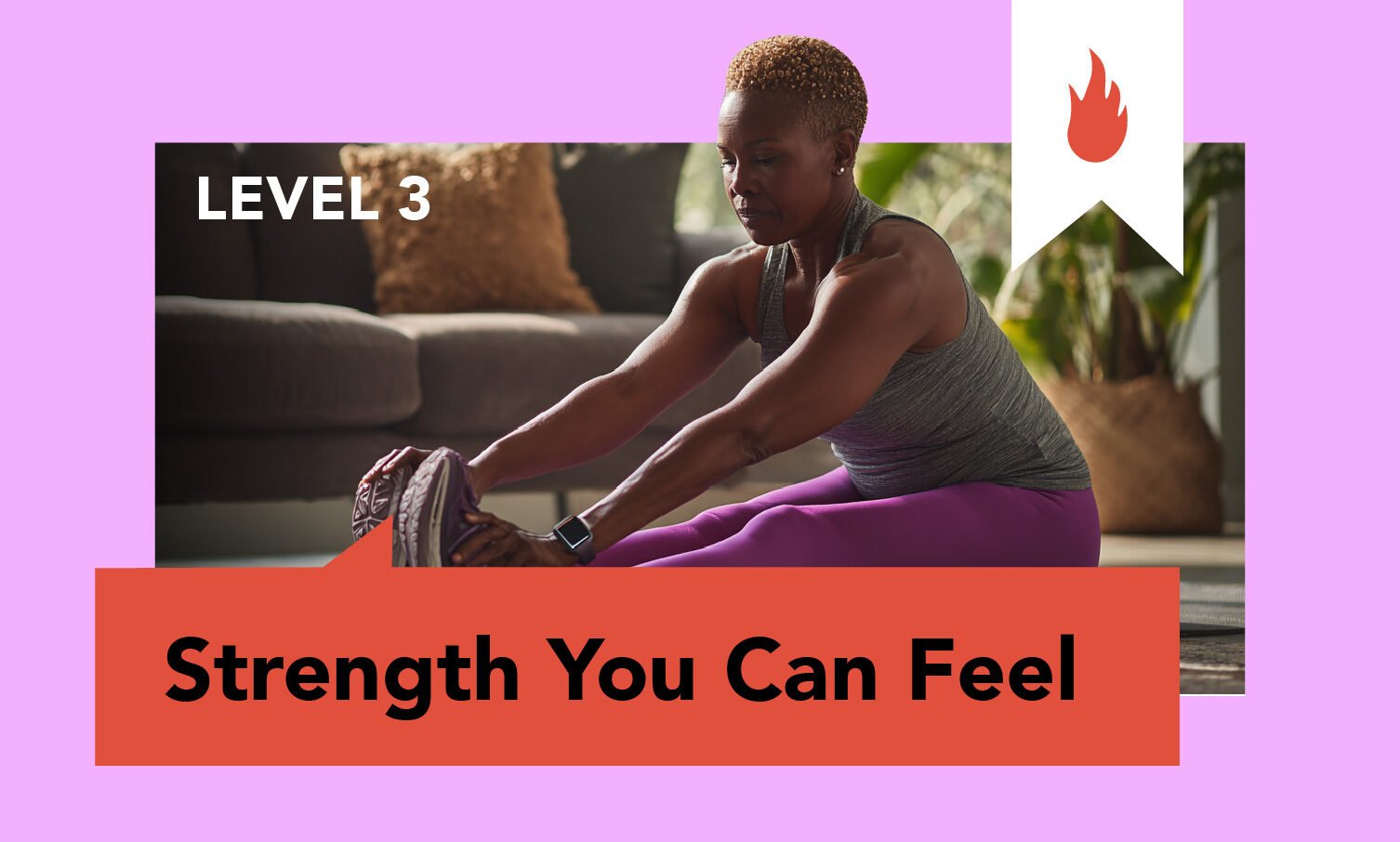
…you’re ready for Level 3: Strength You Can Feel (more strength focus, optional light dumbbells).