04 December 2025
Recipe Lab: High-Protein Cottage Cheese Bake

Reading time 8 min
Reading time 8 min
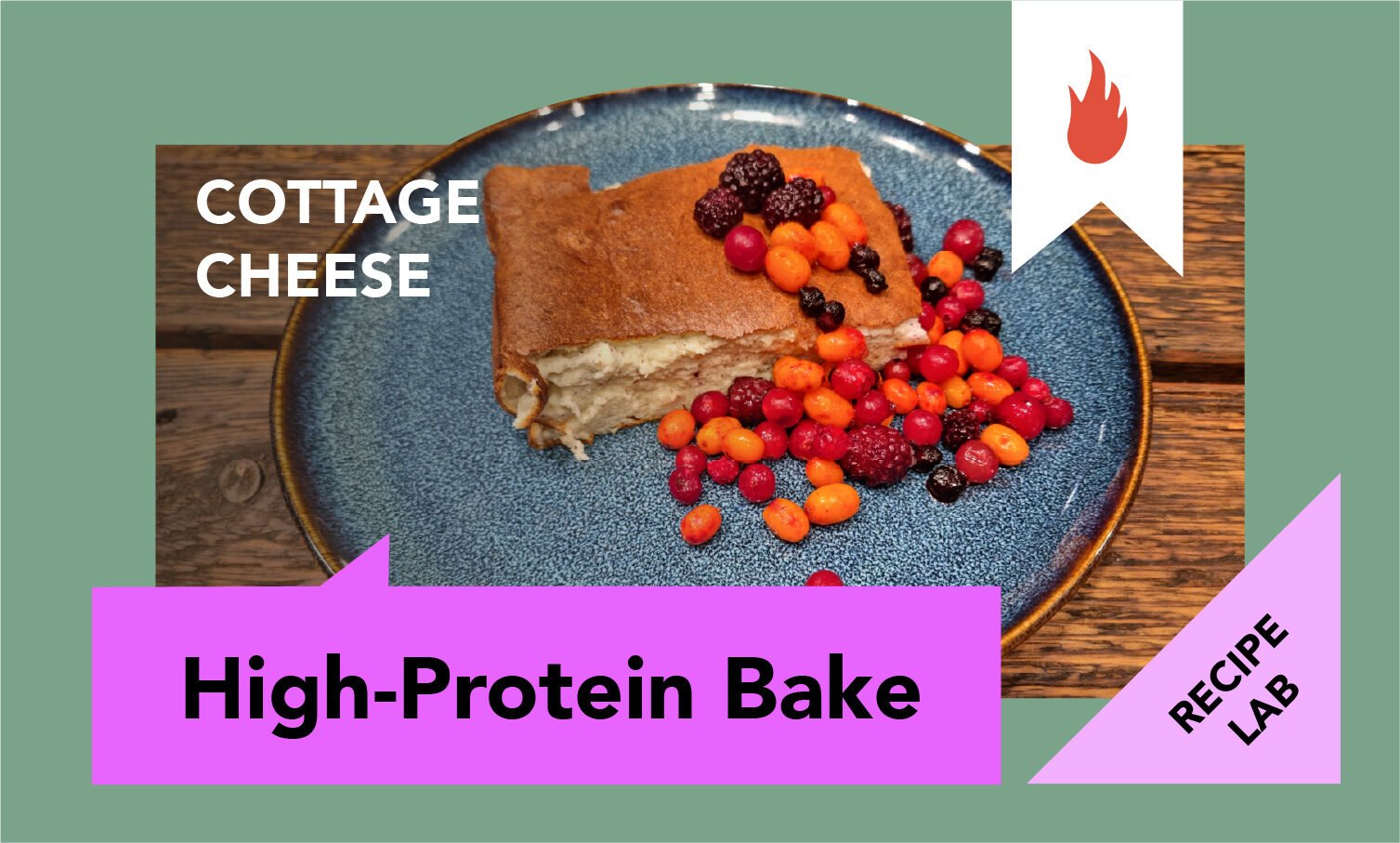
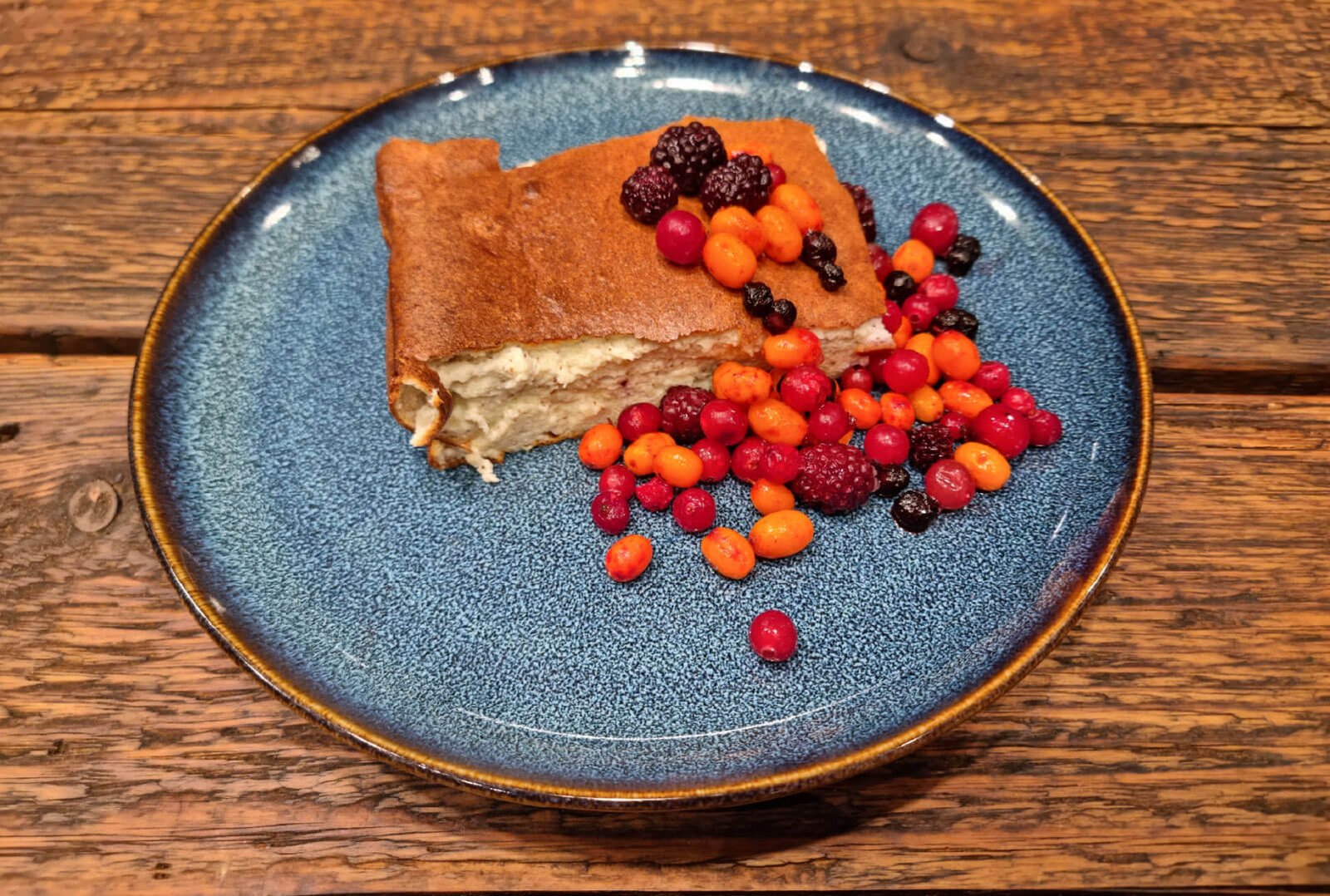
This creamy, high protein cottage cheese bake supports muscle and metabolism. It’s a modern riff on varškės apkepas (a beloved Lithuanian cottage cheese bake) adapted to meet what a peri- and post-menopausal body truly needs: more protein and micronutrients. Designed for midlife women, it’s perfect for breakfast, mid-afternoon energy boost or even dinner (your family will approve of it as well!).
According to science, this recipe supports your body in three important ways:


Flaxseed’s lignans are weak phytoestrogens that may modestly support estrogen receptor activity and lipid metabolism2.
For 8 servings.
1 kg cottage cheese (9% fat)
8 whole eggs + 2 egg whites
8 tbsp farina/semolina (~80 g)
160 ml milk (2.5%)
2 tbsp sugar (~25 g)
20 g ground flaxseed
40 g whey protein isolate
200 g Greek yogurt (2%)
600 g mixed berries (75 g per portion)
Serve: traditionally topped with a spoonful of berries on the plate rather than baked inside.
Variation: for a more integrated flavor, you can gently fold berries into the batter before baking it adds color and natural sweetness.
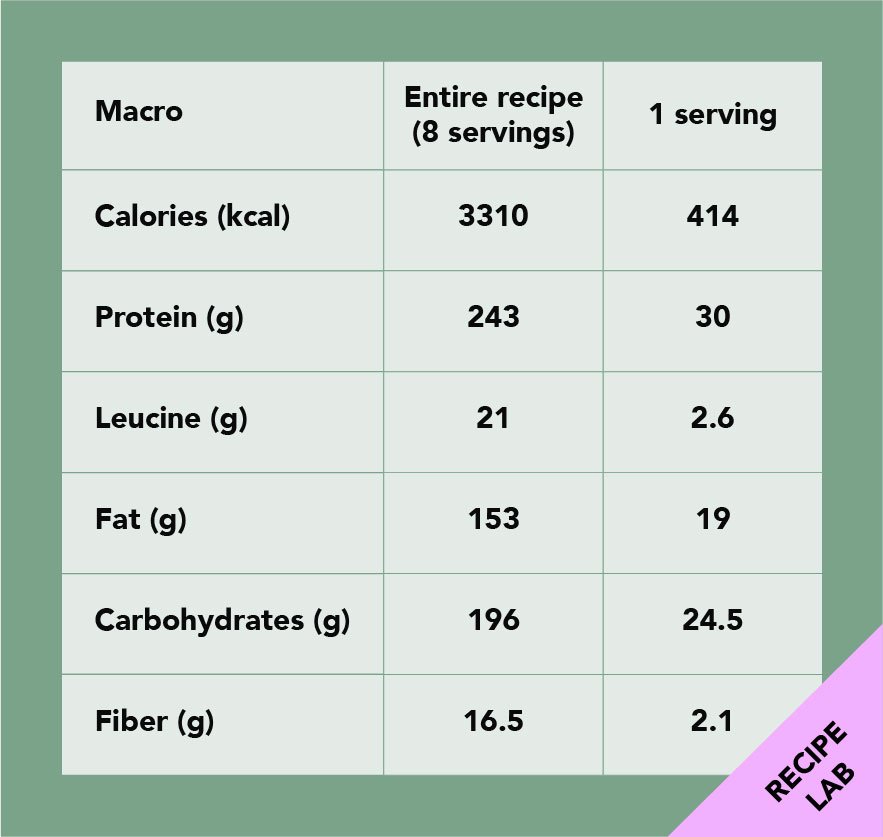
Note: Macros, micros and calorie values are approximate, based on standard databases. Actual values will vary with your ingredients and preparation.
The natural micronutrient standouts are 380 mg of calcium per serving (about 38% of your daily need), 1.5 µg of vitamin B12 (roughly 60%), and 90 mg of magnesium (about 28%). Together, these nutrients support bone strength, energy metabolism, and muscle function.
This is comfort food that works hard for you. It’s creamy, balanced, and feels indulgent while quietly checking every science-based nutrition box. Each portion hits the protein and leucine targets that we need to protect muscle and metabolism.
What I love most is how versatile it is. It can serve as breakfast, post-workout fuel, or a family dinner with zero compromise on nutrients. Pair it with a coffee in the morning or Greek yogurt on top for extra satiety.
Dr. Jūra Lašas
1.
Church, D. et al. Stimulation of muscle protein synthesis with low-dose amino acid composition in older individuals. (2024) https://doi.org/10.3389/fnut.2024.1360312
2.
Adolphe, J. et al. Health effects with consumption of the flax lignan secoisolariciresinol diglucoside. (2010) https://doi.org/10.1017/s0007114509992753

Healthy Body & Mind

Brain & Mind Wellness

Treatments & Supplements

Understanding Menopause
Scientific Research

Understanding Menopause

Lifestyle & Self-Care

Scientific Research
Eat to Thrive

Scientific Research

Treatments & Supplements

Understanding Menopause

Understanding Menopause

Understanding Menopause

Lifestyle & Self-Care

We use cookies and similar technologies to ensure the proper functioning of our website, personalize content, provide social media features, and analyze traffic. By clicking “I Agree”, you consent to the use of these technologies.
No results