15 January 2026
Recipe Lab: High-Protein Salmon Protein Salad

Reading time 5 min
Reading time 5 min
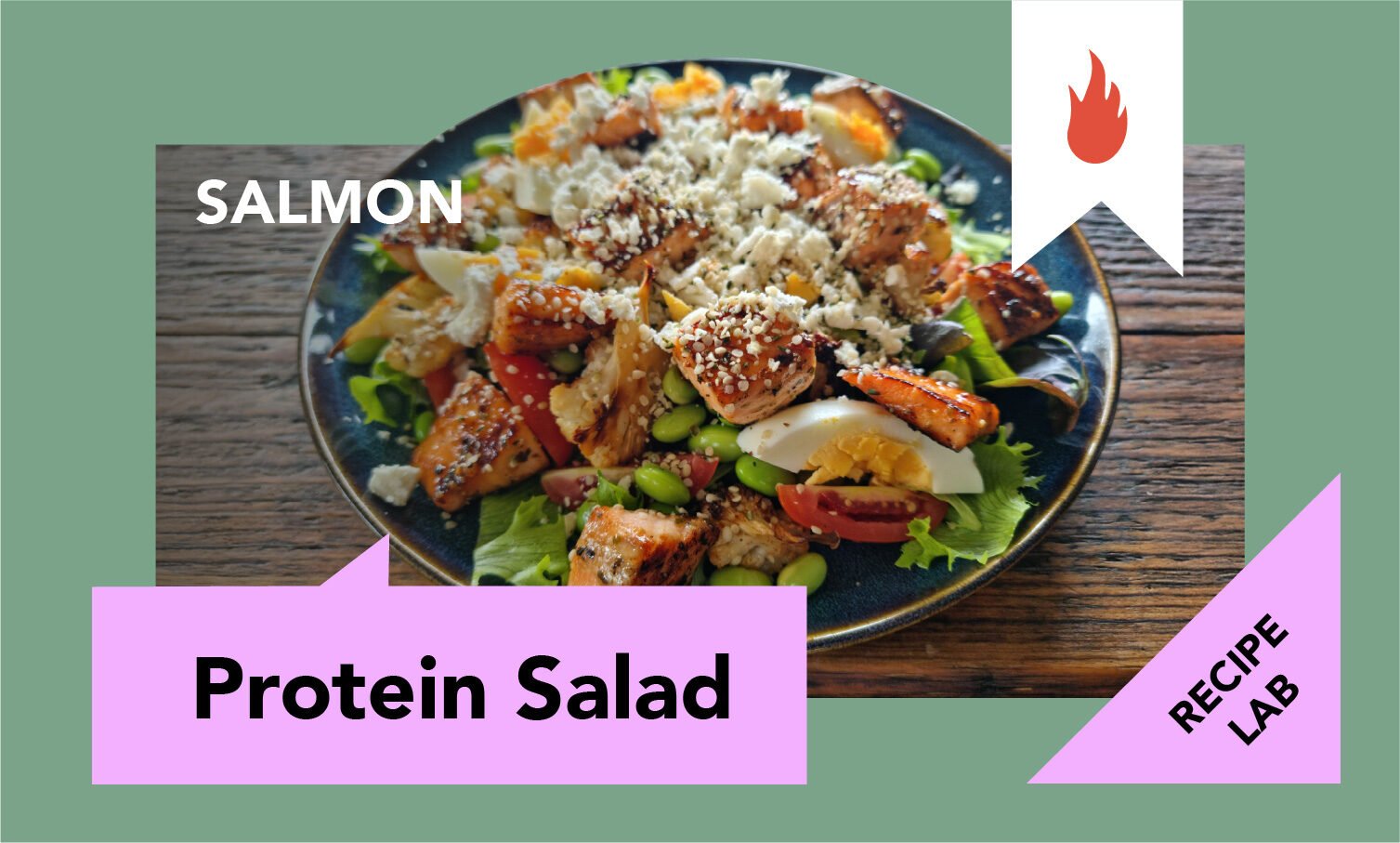
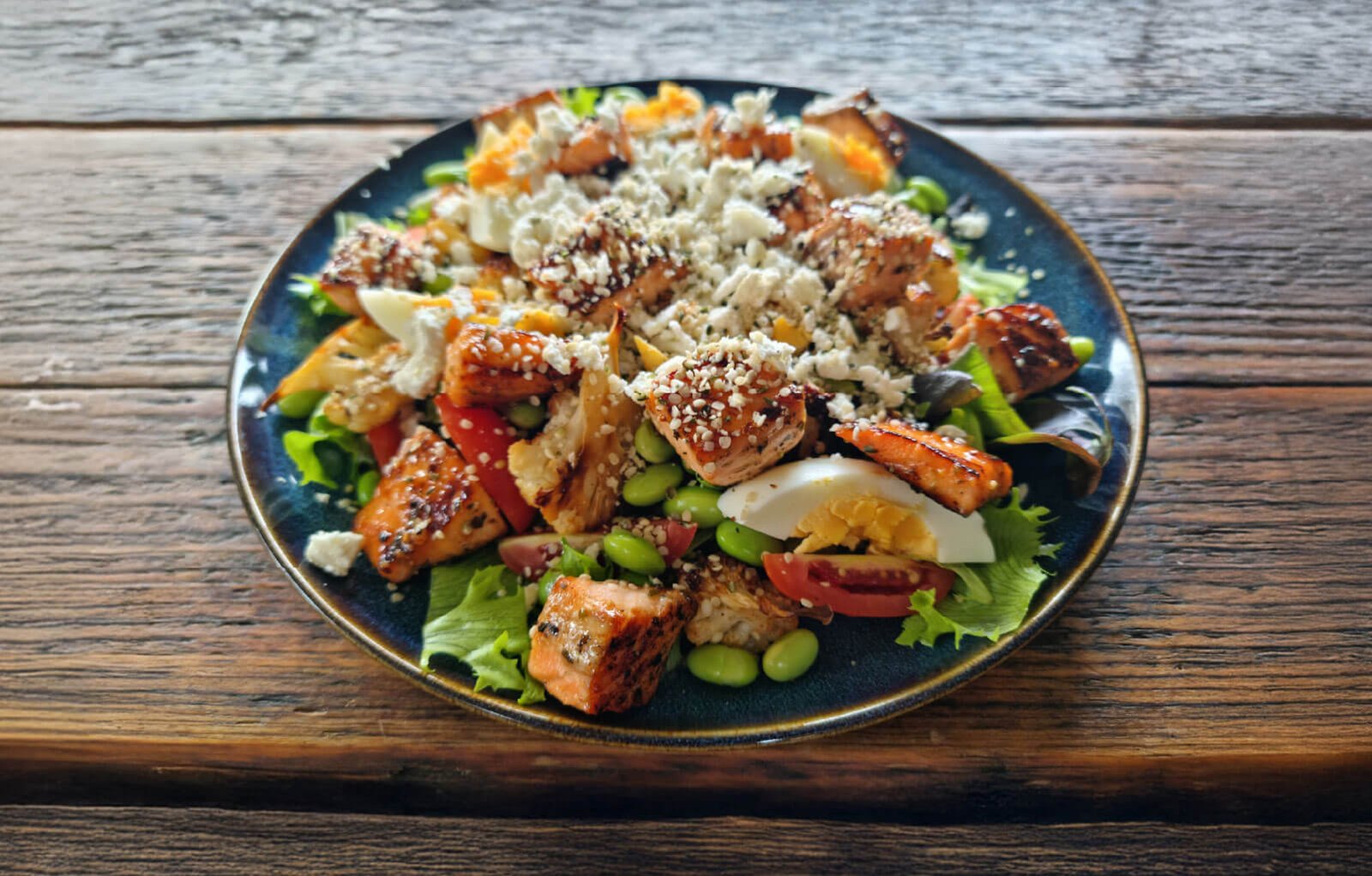
This salad is light and satisfying, the best kind of lunch. It mixes salmon, edamame, baked cauliflower, egg and crunchy veggies into a quick meal that helps you stay full and energized till dinner. It’s perfect when you want something that tastes fresh but still supports your muscles and metabolism.
According to science, this recipe supports your body in two important ways:


Hemp seeds contain a nutritionally optimal balance of omega-3 and omega-6 fatty acids, typically in a 3:1 to 4:1 ratio, which is considered ideal for human health2.
Freezer: not recommended.
Meal prep: cook the salmon and boil the egg in advance, then build the salad fresh for best texture and nutrient quality.
1 serving.
150 g salmon fillet
50 g cooked edamame
70 g baked cauliflower
40 g mixed green salad
1 boiled egg
50 g cherry tomatoes
25 g feta cheese
6 g olive oil (about 1½ tsp)
5 g hemp seeds (about 1 tsp)
Squeeze of lemon juice
Salt and pepper to taste
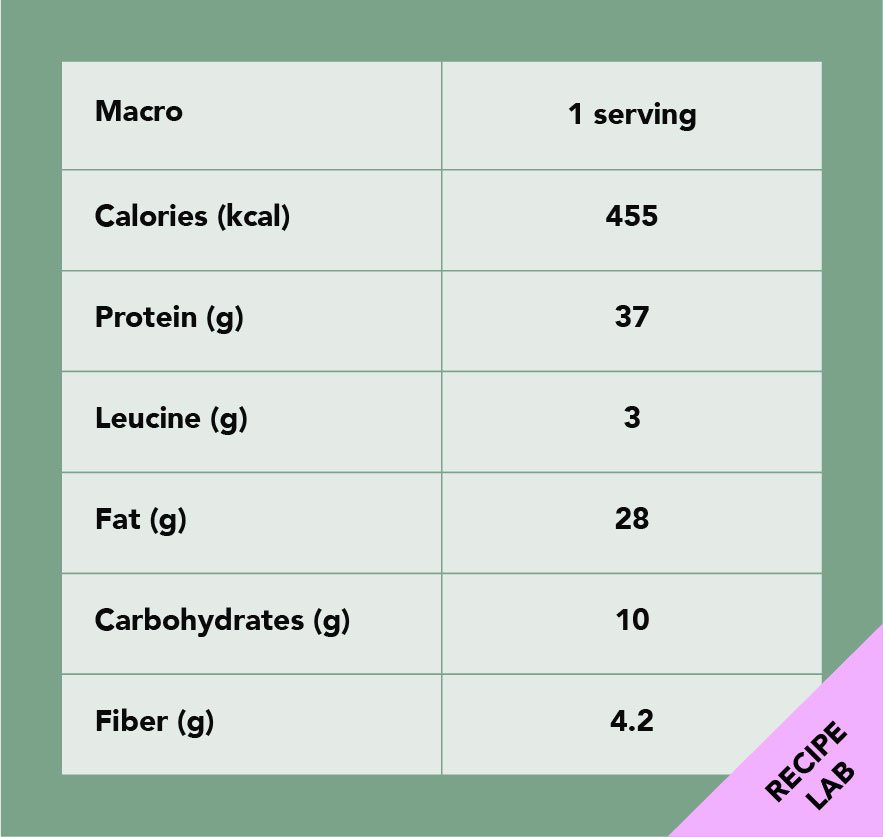
Note: Macros, micros and calorie values are approximate, based on standard databases. Actual values will vary with your ingredients and preparation.
The natural micronutrient standouts are selenium (~45 µg per serving, ~82% of daily need), vitamin B12 (~1.5 µg per serving, ~62%), and potassium (~930 mg per serving, ~26%).
I love this salad because it proves healthy eating doesn’t have to feel like a project. It’s flexible and you can substitute any veg you have on-hand. I’m not a big fan of salads that focus only on fiber. I prefer salads that provide only fiber, but also protein that helps with muscle growth.
I come back to meals like this because they respect both sides of my life: the practical one that needs lunch on the table in 15 minutes, and the biological one that wants food to work for you.
Dr. Jūra Lašas
1.
Church, D. et al. Stimulation of muscle protein synthesis with low-dose amino acid composition in older individuals. (2024) https://doi.org/10.3389/fnut.2024.1360312
2.
Alonso-Esteban, J. et al. Fatty acids and minor functional compounds of hemp (Cannabis sativa L.) seeds and other Cannabaceae species. (2022) https://doi.org/10.1016/j.jfca.2022.104962
Eat to Thrive

Healthy Body & Mind
Brain & Mind Wellness

Treatments & Supplements
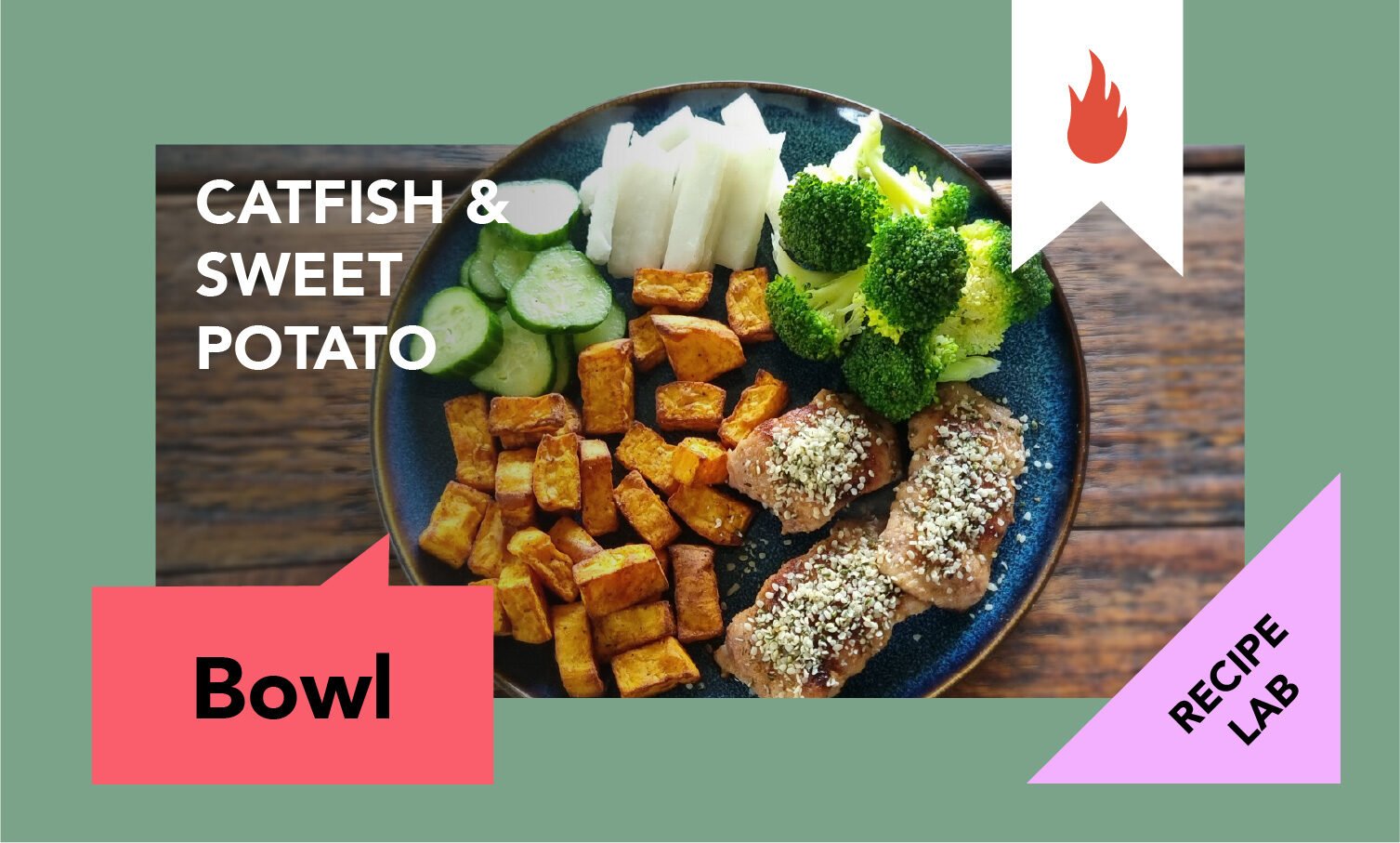
Eat to Thrive

Understanding Menopause
Scientific Research

Understanding Menopause
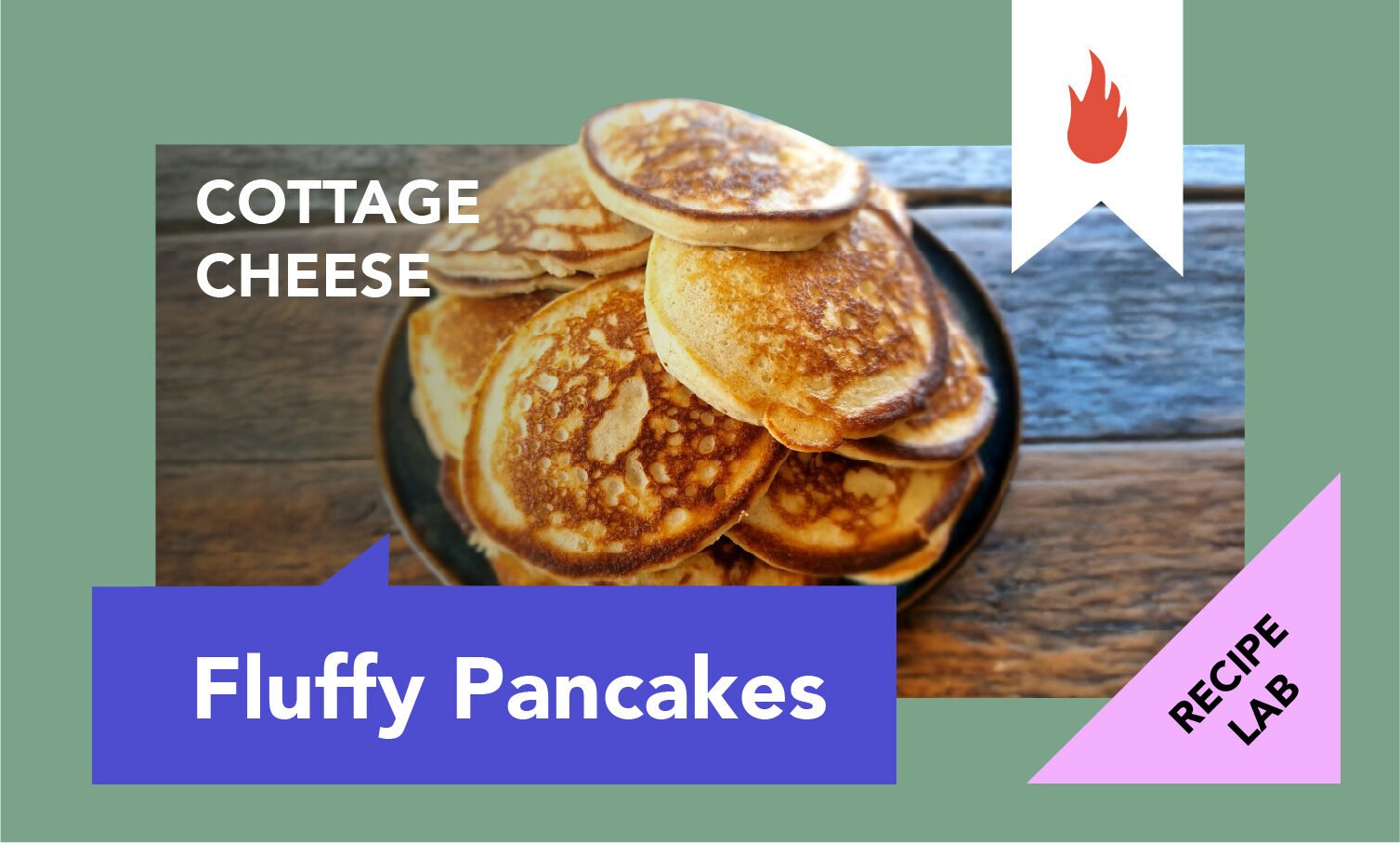
Eat to Thrive

Lifestyle & Self-Care
Scientific Research
Exercise & Nutrition
Eat to Thrive
Symptoms Explained
Eat to Thrive
Eat to Thrive

Scientific Research
Treatments & Supplements
We use cookies and similar technologies to ensure the proper functioning of our website, personalize content, provide social media features, and analyze traffic. By clicking “I Agree”, you consent to the use of these technologies.
No results