25 November 2025
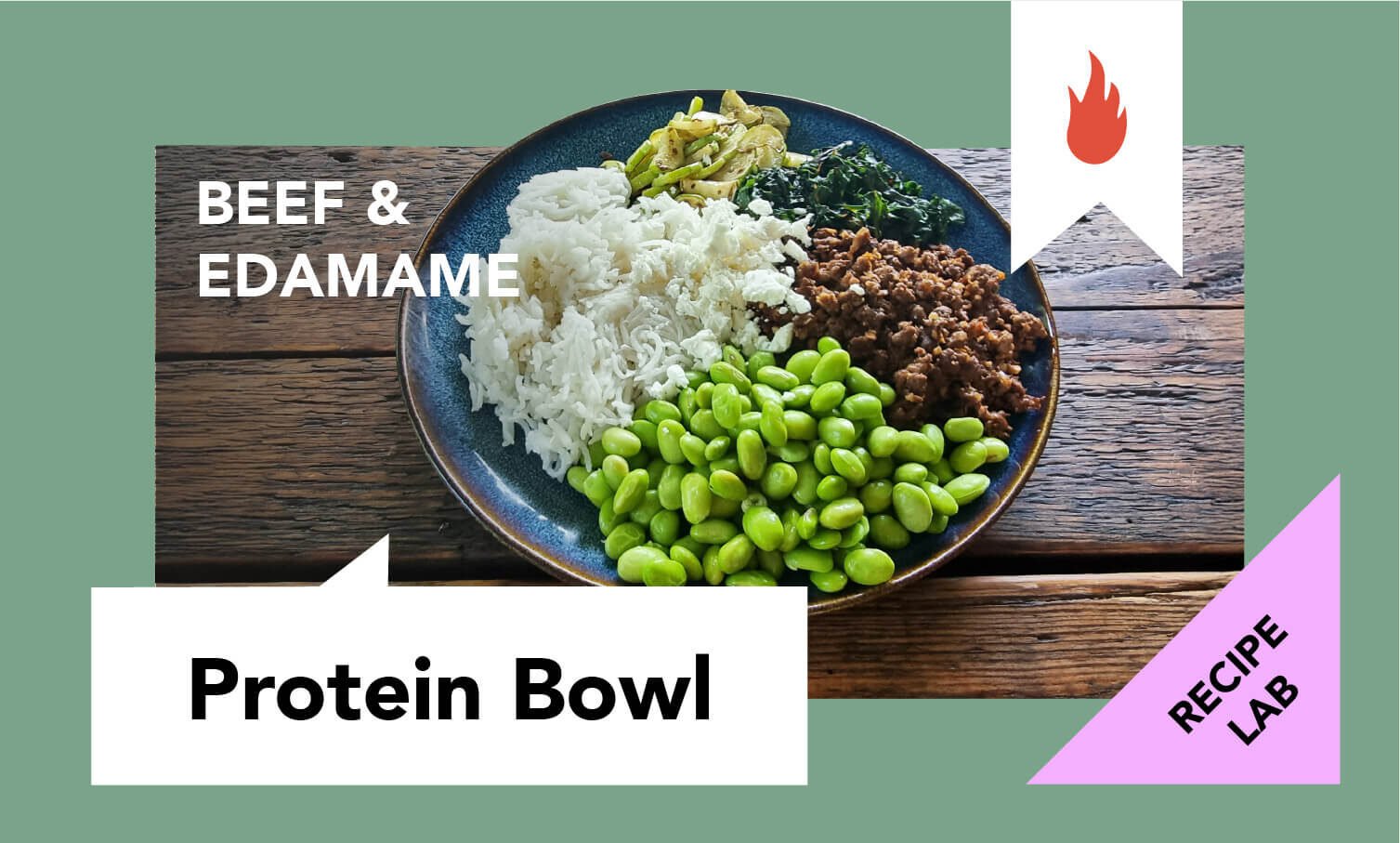
Recipe Lab: Beef & Edamame Protein Bowl

Reading time 6 min
Reading time 6 min
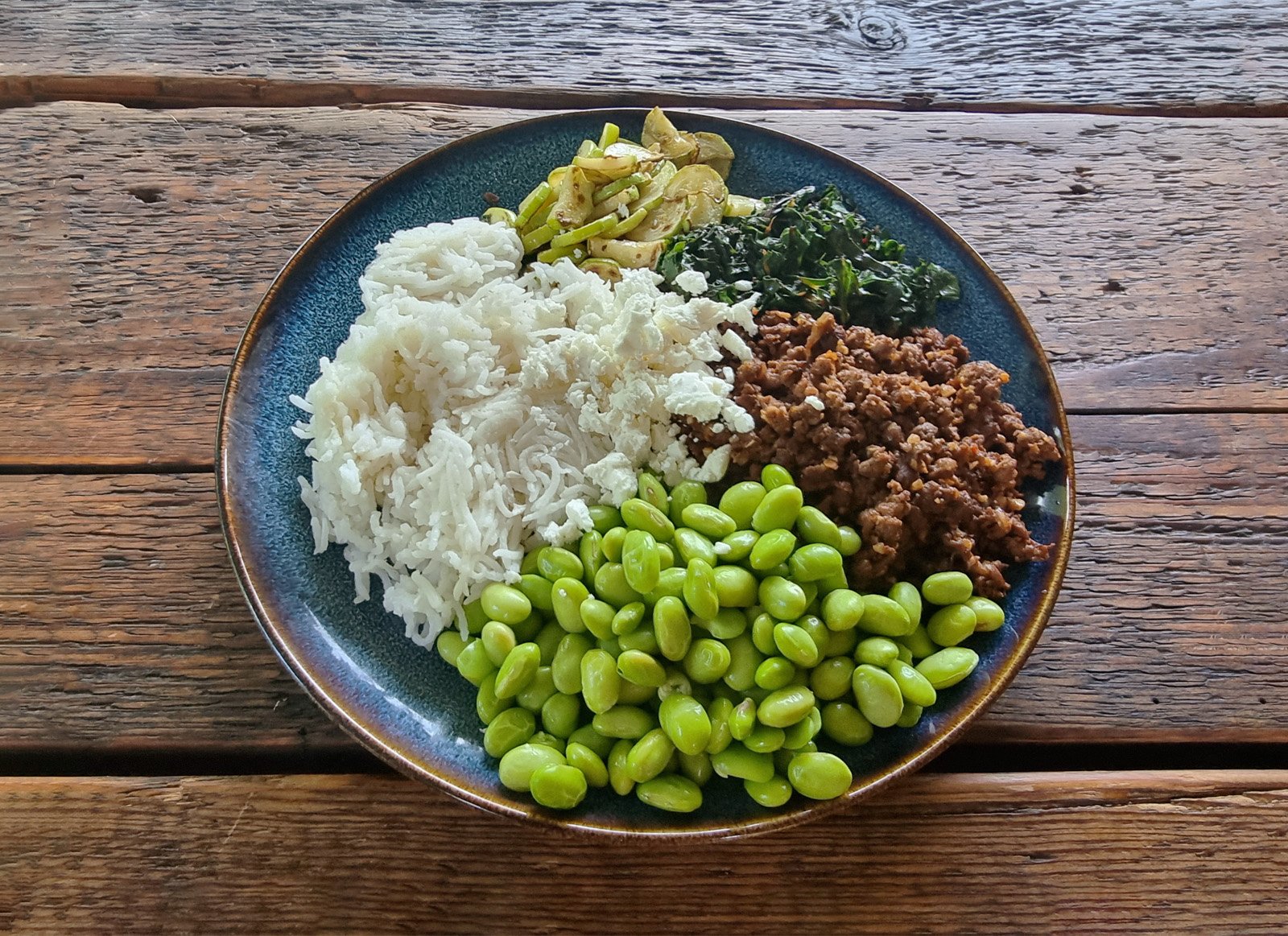
This beef & edamame protein bowl combines lean beef, edamame, rice, and vegetables into a high-protein, nutrient-dense dinner. It’s designed to fuel muscle recovery, support energy, and keep you satisfied. Especially valuable for midlife women aiming to maintain muscle strength and metabolic health. Ideal as a main meal (dinner) or a post-training option.
According to science, this recipe supports your body in three important ways:


For 4 servings.
550–600 g raw beef mince (10% fat) → yields ~400 g cooked
1 medium onion (~100 g), finely chopped
4 cloves garlic (~12 g), minced
200 g zucchini, sliced
120 g spinach or Swiss chard (about 4 handfuls)
130 g uncooked white rice → yields ~400 g cooked
400 g prepared edamame beans (boiled)
80 g feta cheese, crumbled
4 tsp extra virgin olive oil (3 tsp for beef, 1 tsp for zucchini)
Salt and pepper as desired
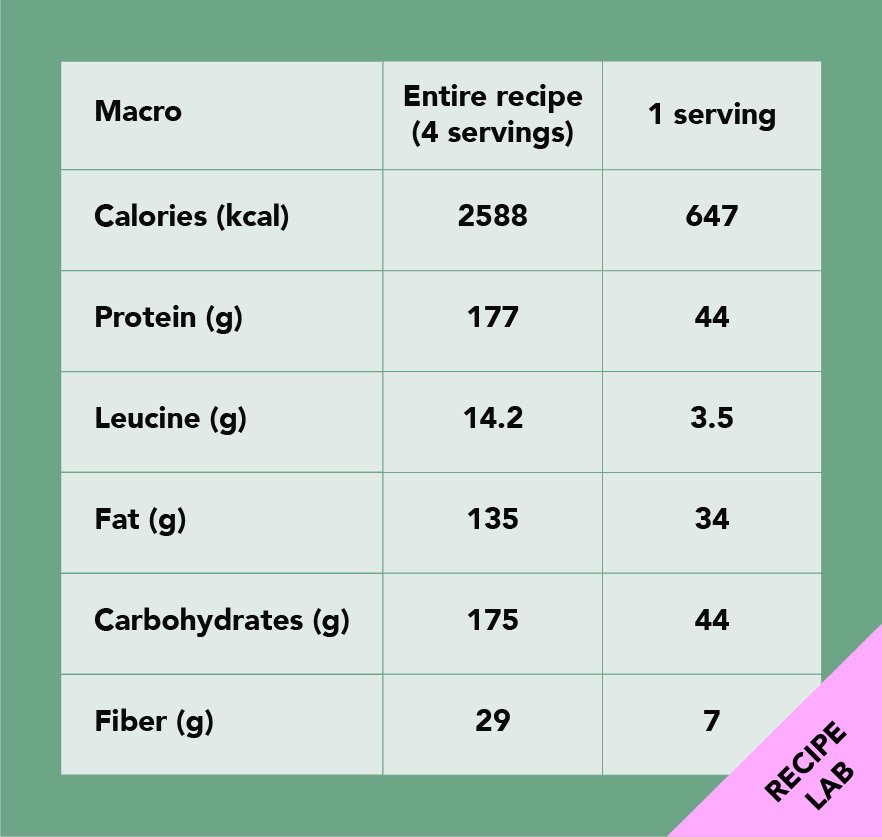
Note: Macros, micros and calorie values are approximate, based on standard databases. Actual values will vary with your ingredients and preparation.
The natural micronutrient standouts are iron (~3 mg per serving, ~17% of the 18 mg daily need), vitamin B12 (~1.7 µg per serving, ~70% of the 2.4 µg daily need), and calcium (~160 mg per serving, ~16% of the 1,000 mg daily need), thanks to the beef and feta.
This bowl is hearty, flexible, and science-backed. The beef version delivers iron, B12, and a strong leucine signal – exactly what many midlife women need when energy dips and recovery feels slower. It’s not just about hitting protein goals, but about pairing them with micronutrients that directly support stamina, cognition, and resilience.
What I like most about this recipe is how adaptable it is. It works as a quick weeknight dinner, a post-training recovery meal, or even next-day lunch prep.
The structure is forgiving, you can swap the rice for quinoa, add extra greens, or change the seasoning, without losing its nutritional backbone.
Food like this recipe is a strategy: steadying blood sugar, protecting bone and muscle, and covering nutrient gaps that so often get overlooked. That’s why I come back to bowls like this – they make everyday eating both simple and powerful.
Dr. Jūra Lašas
1.
Church, D. et al. Stimulation of muscle protein synthesis with low-dose amino acid composition in older individuals. (2024) https://doi.org/10.3389/fnut.2024.1360312
2.
Kohanmoo, A. et al. Effect of short- and long-term protein consumption on appetite and appetite-regulating gastrointestinal hormones, a systematic review and meta-analysis of randomized controlled trials. (2020) https://doi.org/10.1016/j.physbeh.2020.113123
Eat to Thrive

Healthy Body & Mind

Brain & Mind Wellness

Treatments & Supplements
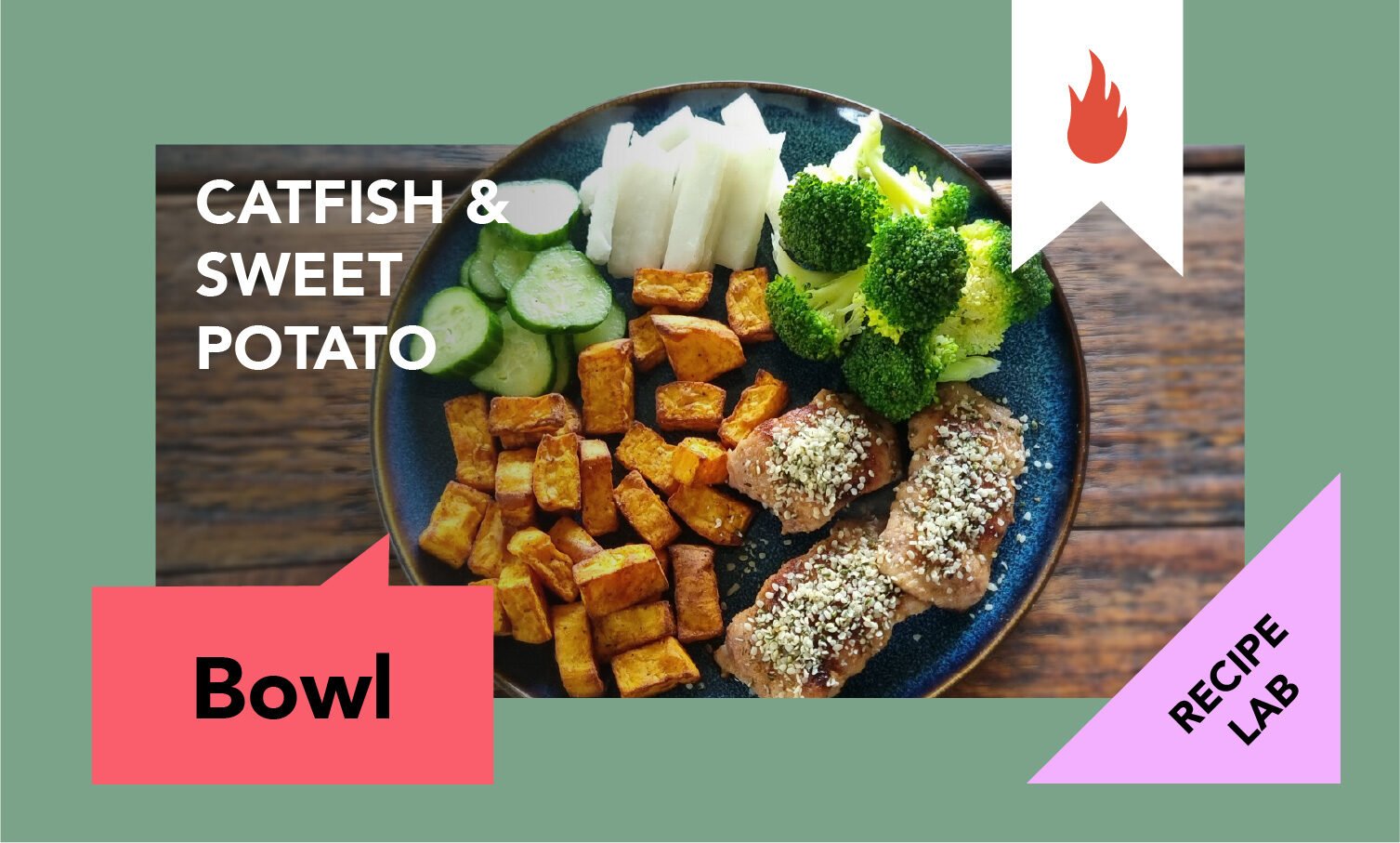
Eat to Thrive

Understanding Menopause
Scientific Research

Understanding Menopause

Eat to Thrive

Lifestyle & Self-Care
Scientific Research

Exercise & Nutrition
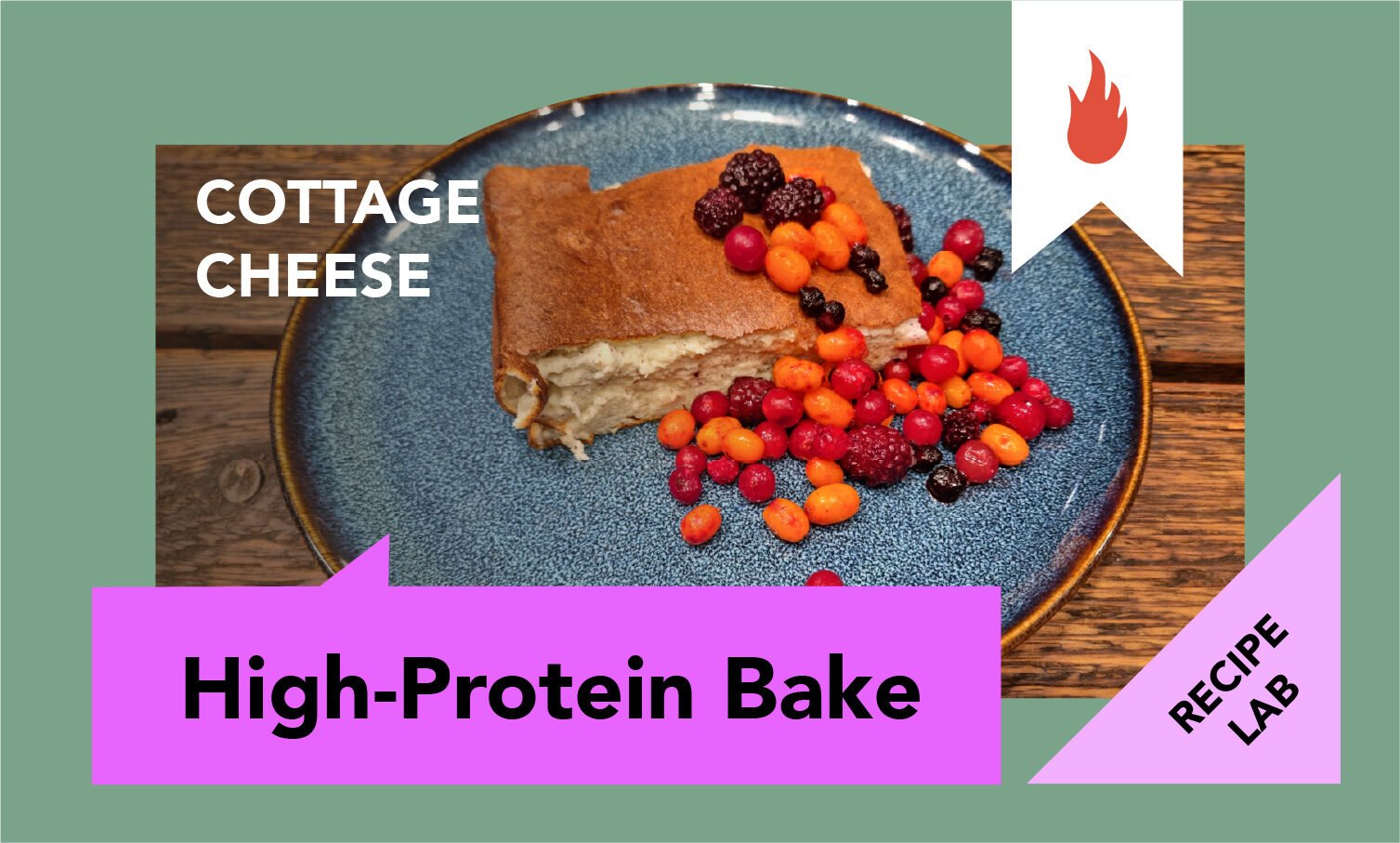
Eat to Thrive

Symptoms Explained
Eat to Thrive
Eat to Thrive

Scientific Research

Treatments & Supplements

We use cookies and similar technologies to ensure the proper functioning of our website, personalize content, provide social media features, and analyze traffic. By clicking “I Agree”, you consent to the use of these technologies.
No results