Day 1 – Light Strength + Balance
20–25 minutes.
Warm-up (5 min)
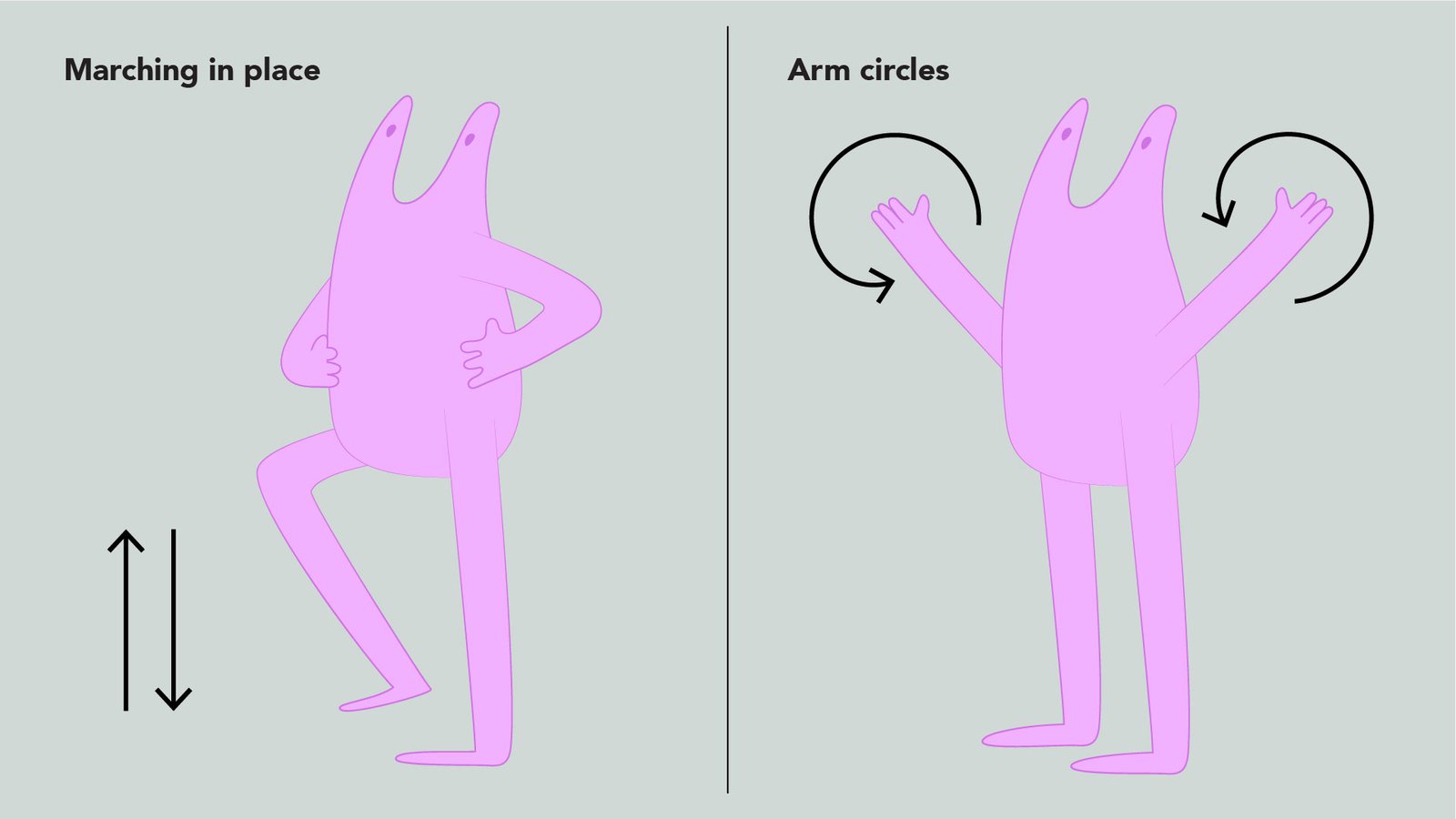
- March in place (60–90 sec): arms swing naturally.
- Arm circles (30 sec each way): small → medium → comfortable large.
Main (15 min)
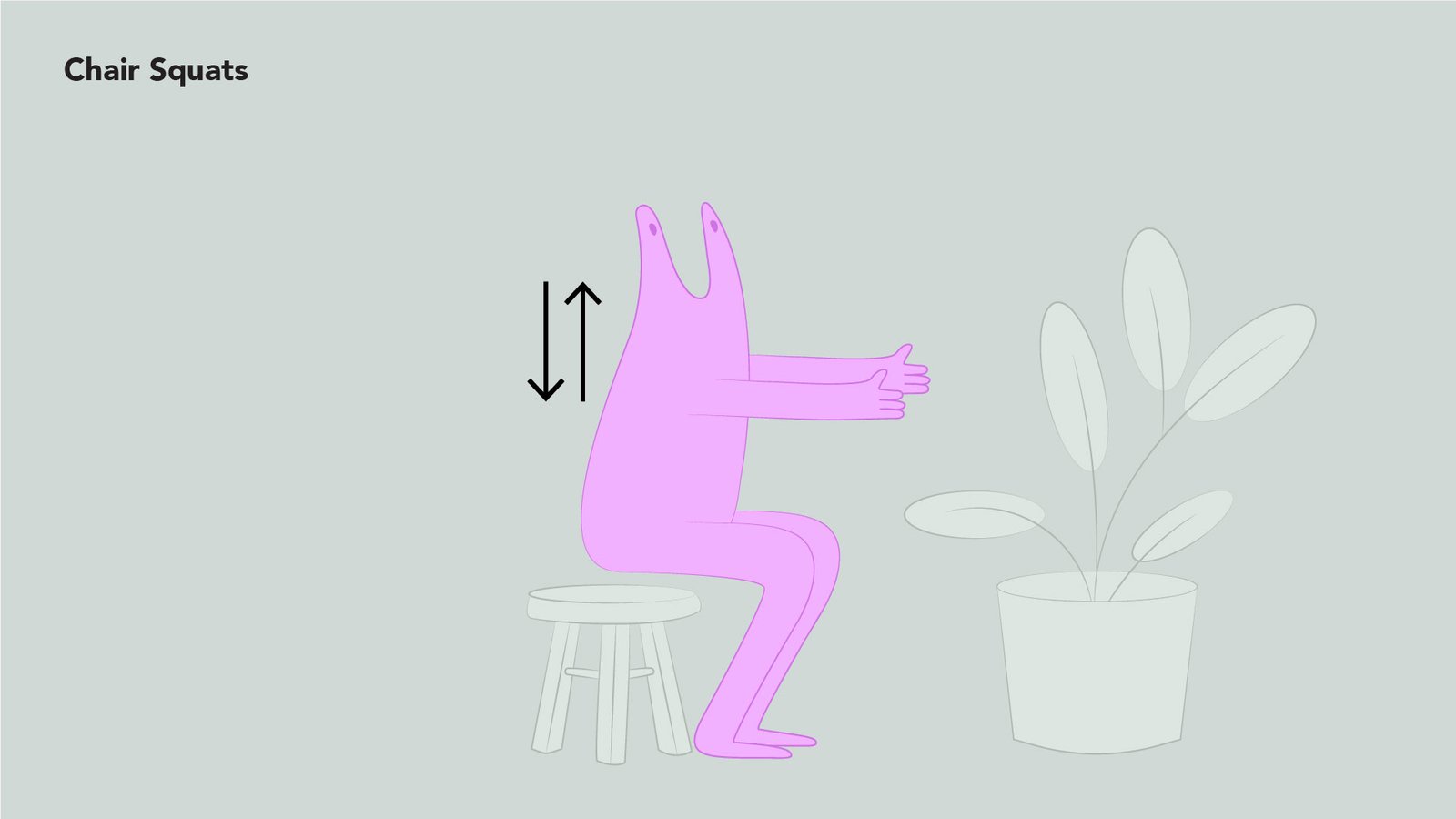
Chair Squats — 2 sets of 8-10 reps.
You’ll feel it in your thighs and glutes.
- Setup: place a chair behind you, keep feet hip-width, toes slightly out, spine – stable and straight.
- Move:
- Bend your knees and push your hips back, just as you would to sit in the chair.
- Gently touch the chair with your glutes.
- Push through your heels to return to the starting standing position.
- Breathe: inhale down, exhale up.
- Form checks: keep your chest up and your back flat. Ensure your knees stay in line with your toes.
- If knees complain: use a higher chair/cushion.
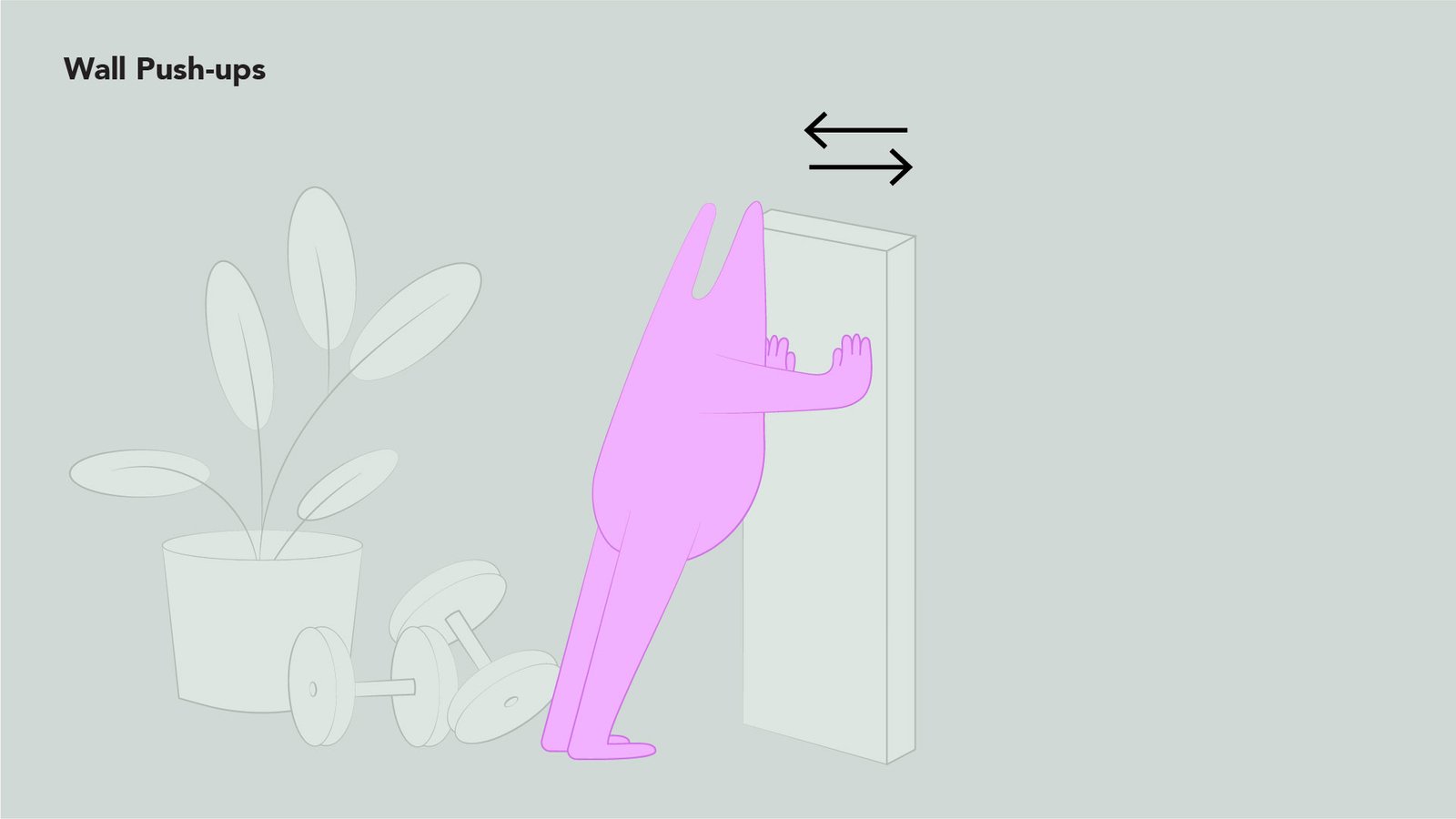
Wall Push-ups — 2 sets of 6-8 reps.
You’ll feel chest, shoulders, and arms; light core work.
- Setup: stand facing a wall, about an arm’s length away, with your feet hip-width apart. Place your palms on the wall at shoulder-level height, spaced slightly wider than your shoulders.
- Move:
- Slowly bend your elbows to lower your chest toward the wall. Keep your elbows at about a 45-degree angle, not pointing straight out to the sides.
- Light pause, then press away to start position.
- Breathe: inhale as you lower your body and exhale as you push back up.
- Form checks: keep your body in a straight line from head to heels.
- Sensitive wrists? Make gentle fists or use a higher surface (more upright = easier)
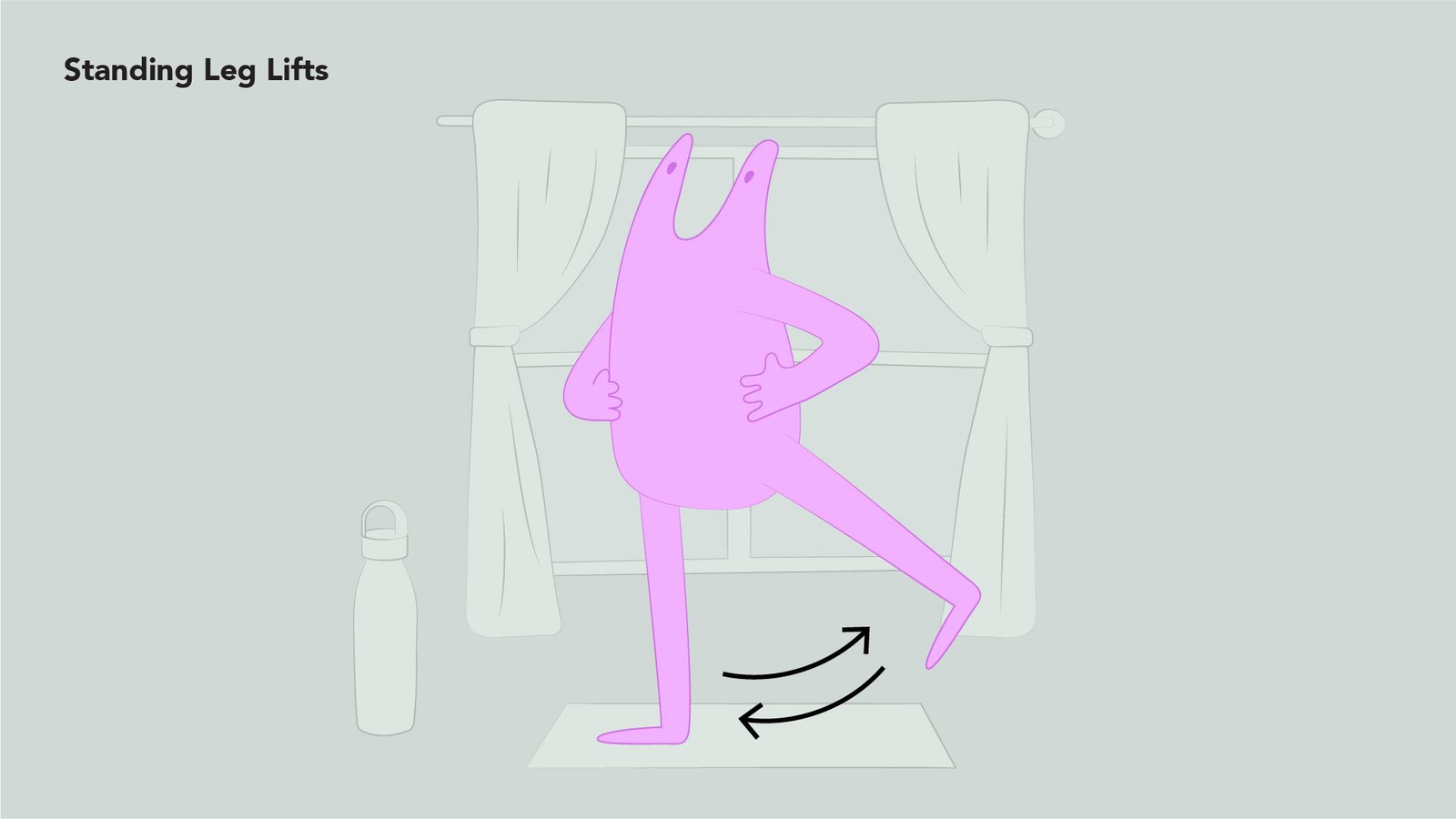
Standing Leg Lifts (Side + Back) – 2×8/leg each
Side = outer hip/glute; Back = glute/hamstring; balance bonus.
- Setup: stand up straight, with your feet together. Hold onto a wall, chair, or countertop for balance if needed. Keep your hips level and facing forward, and your core tight.
- Side lift:
- Slowly lift one leg straight out to the side, keeping the leg straight and toes pointed forward. Avoid lifting the leg higher than you can control.
- Pause at the top of the movement, feeling the work in your hip and outer thigh. Slowly and with control, lower the leg back to the starting position.
- Complete 8 repetitions on one side before switching legs.
- Back lift:
- Keeping your leg straight, slowly lift it backward as far as you can. Focus on squeezing your glute at the top of the movement. Ensure your hips do not rotate and your low back does not arch excessively.
- Lower the leg back down slowly and with control.
- Complete 8 repetitions on one side before switching legs.
- Breathe: inhale lower, exhale lift.
- Maintain hip position: it’s important to keep your hips level and prevent them from tilting or rotating along with the leg you are lifting.
Cool-down (5 min)
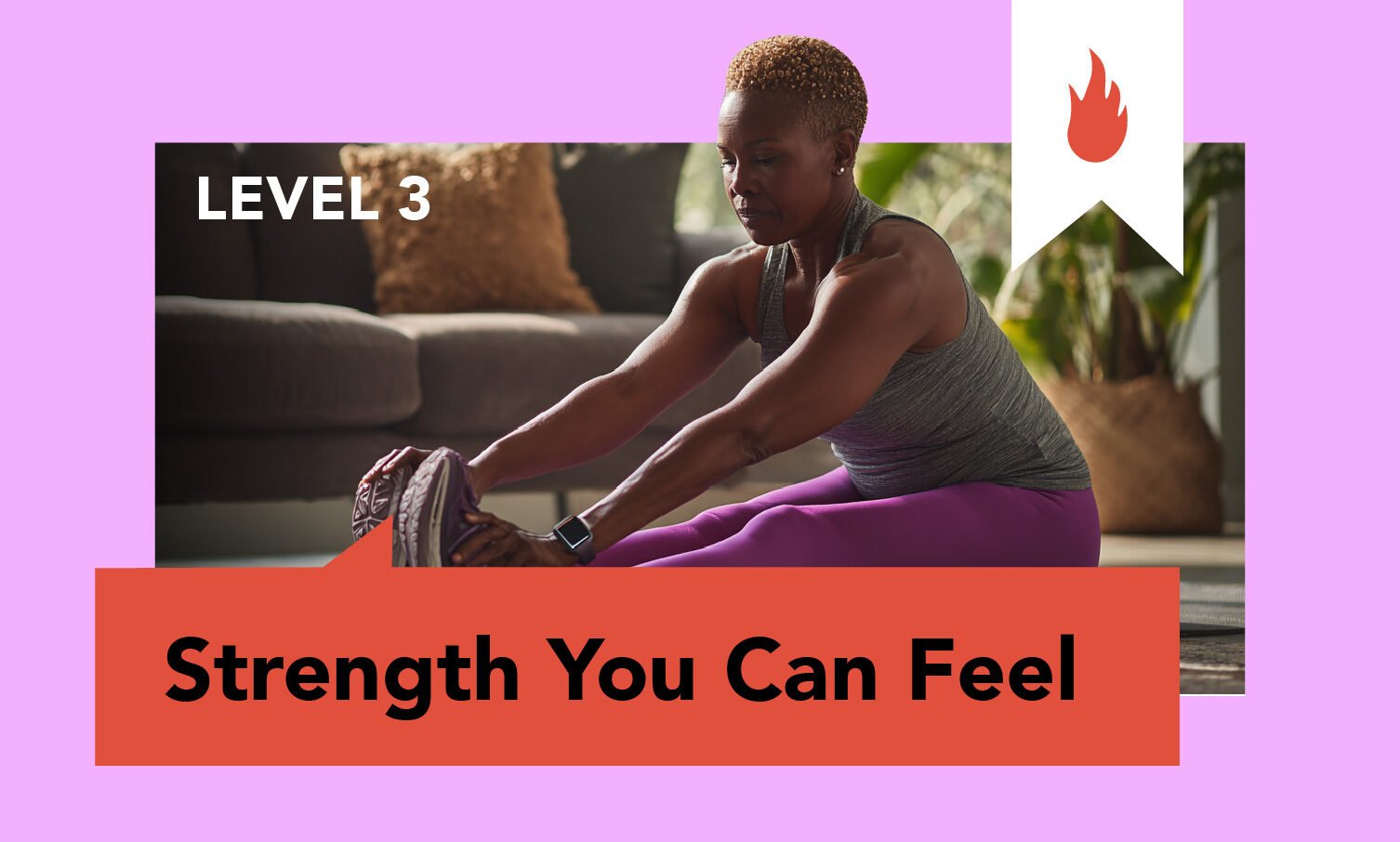
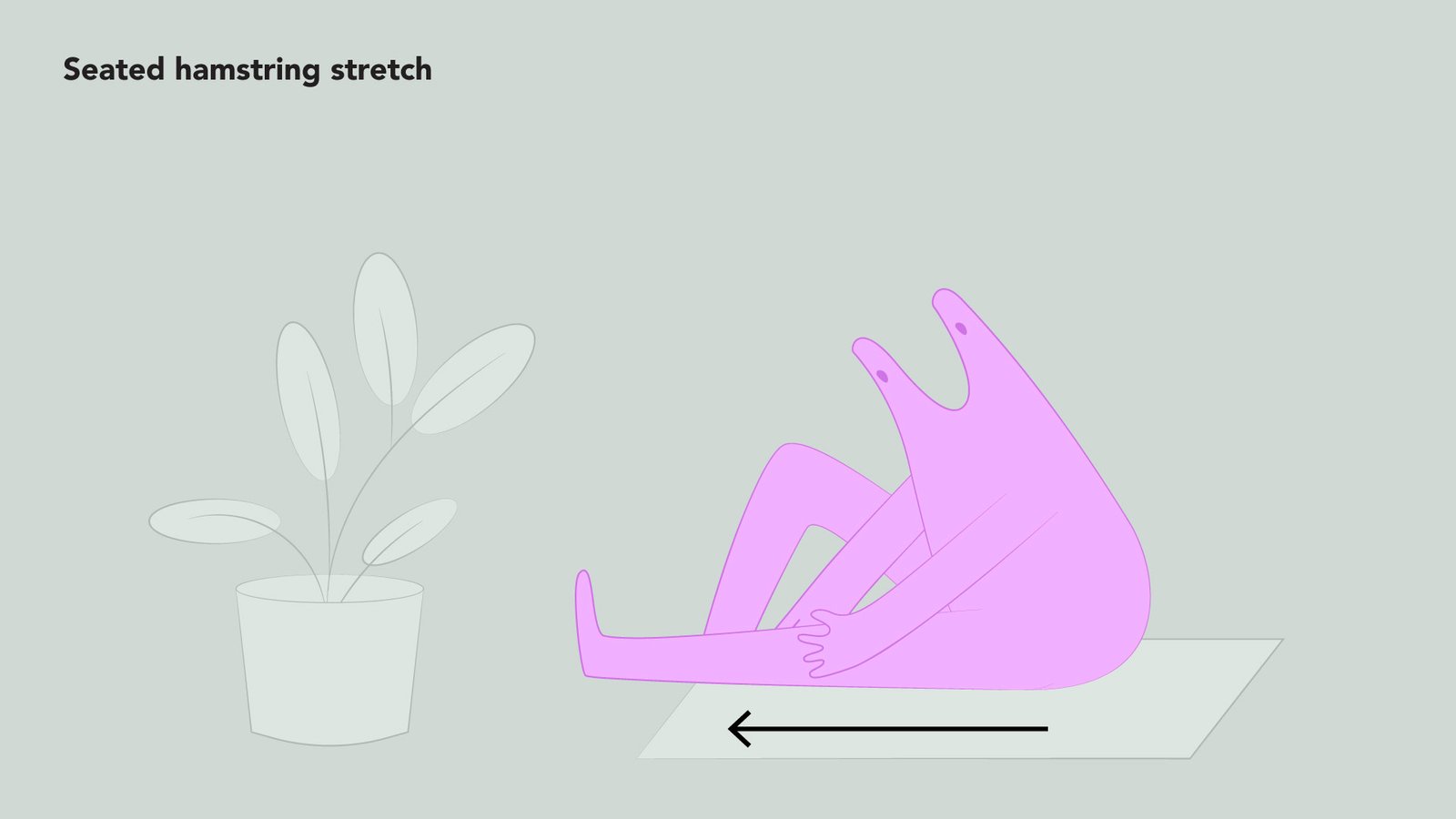
- Seated hamstring stretch (30–45 sec/leg): sit with one leg extended, heel on the floor, and the other leg bent with the foot flat on the floor. Keep your back straight, lean forward from your hips to feel a stretch in the back of the extended thigh, and hold for 30 seconds before switching legs.
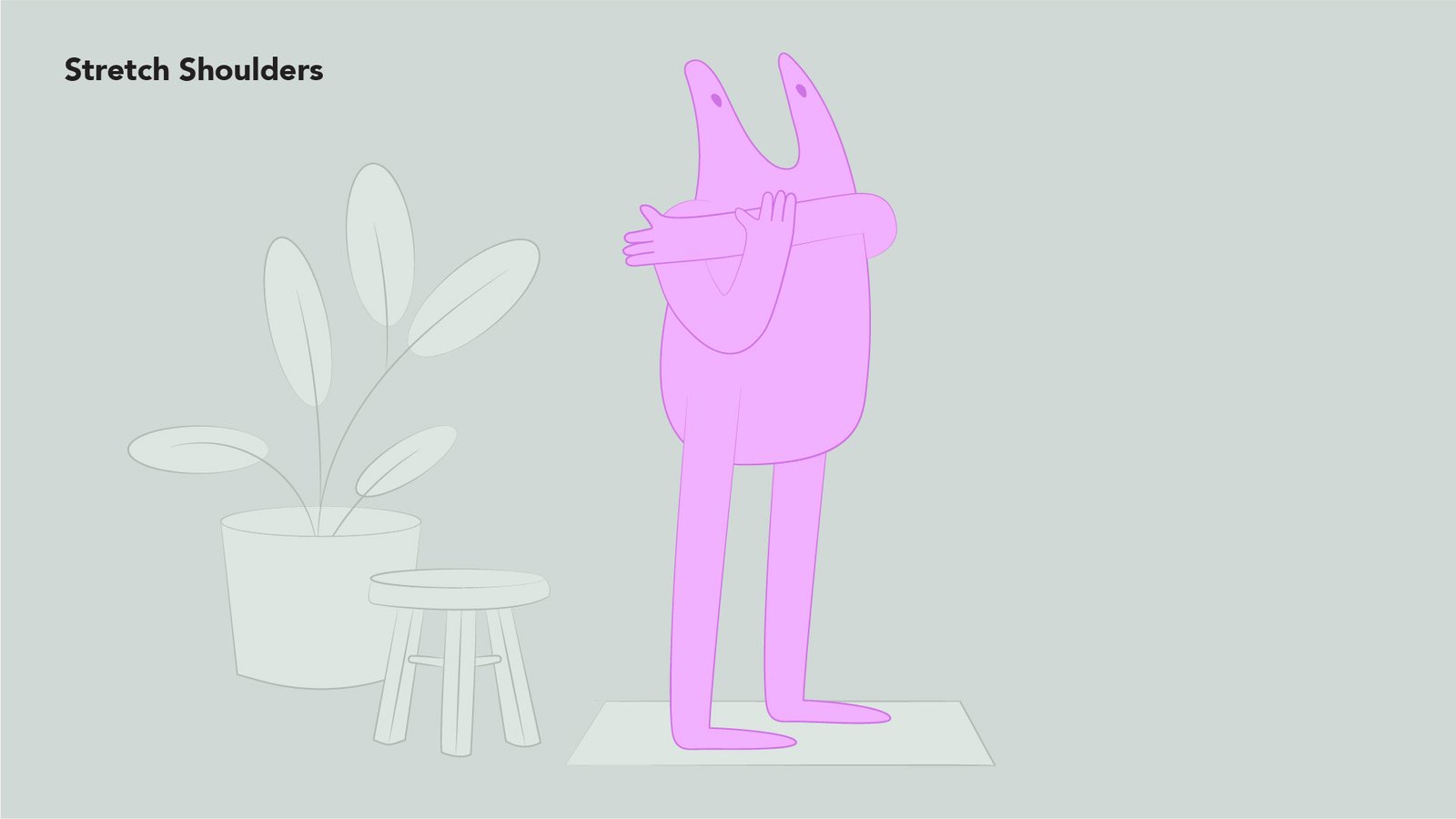
- Chest/shoulder stretch (30–45 sec): stand in a doorway and place one arm against the doorframe, with your elbow bent at a 90-degree angle and your forearm on the frame. Step forward with the foot on the same side as the arm that is against the doorframe. Gently lean your body forward through the doorway until you feel a stretch in your chest and shoulder. Hold for 15-30 seconds, breathing normally. Repeat on the other side.
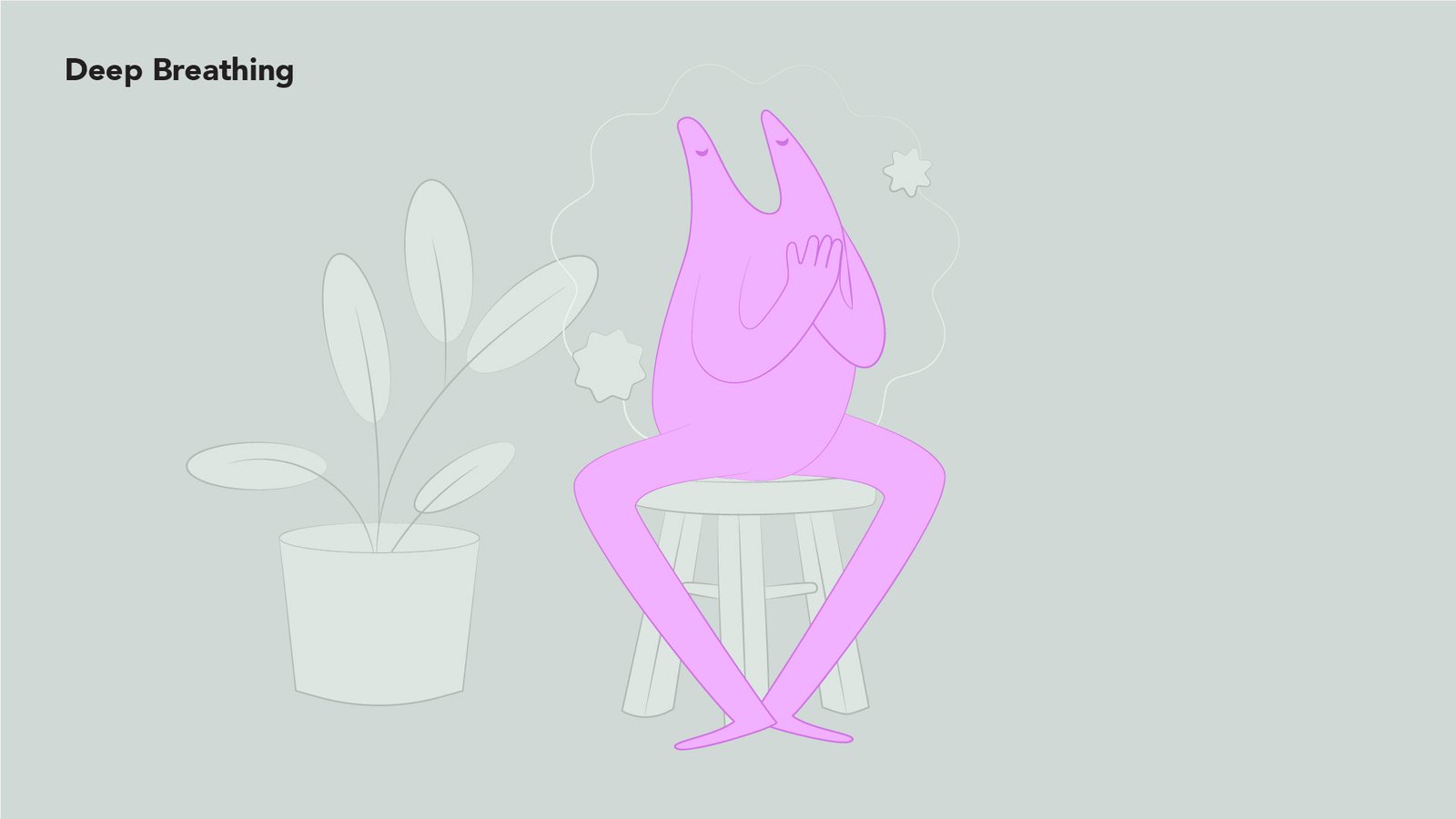
- Breathing reset (1 min): Inhale through nose, long easy exhale.
Why Light Strength + Balance Exercise Helps?
Strength supports bones and joints; balance reduces fall risk; slow tempo protects your knees and shoulders.
Day 2 – Low-Impact Cardio
20–25 minutes.
Main (15 min)
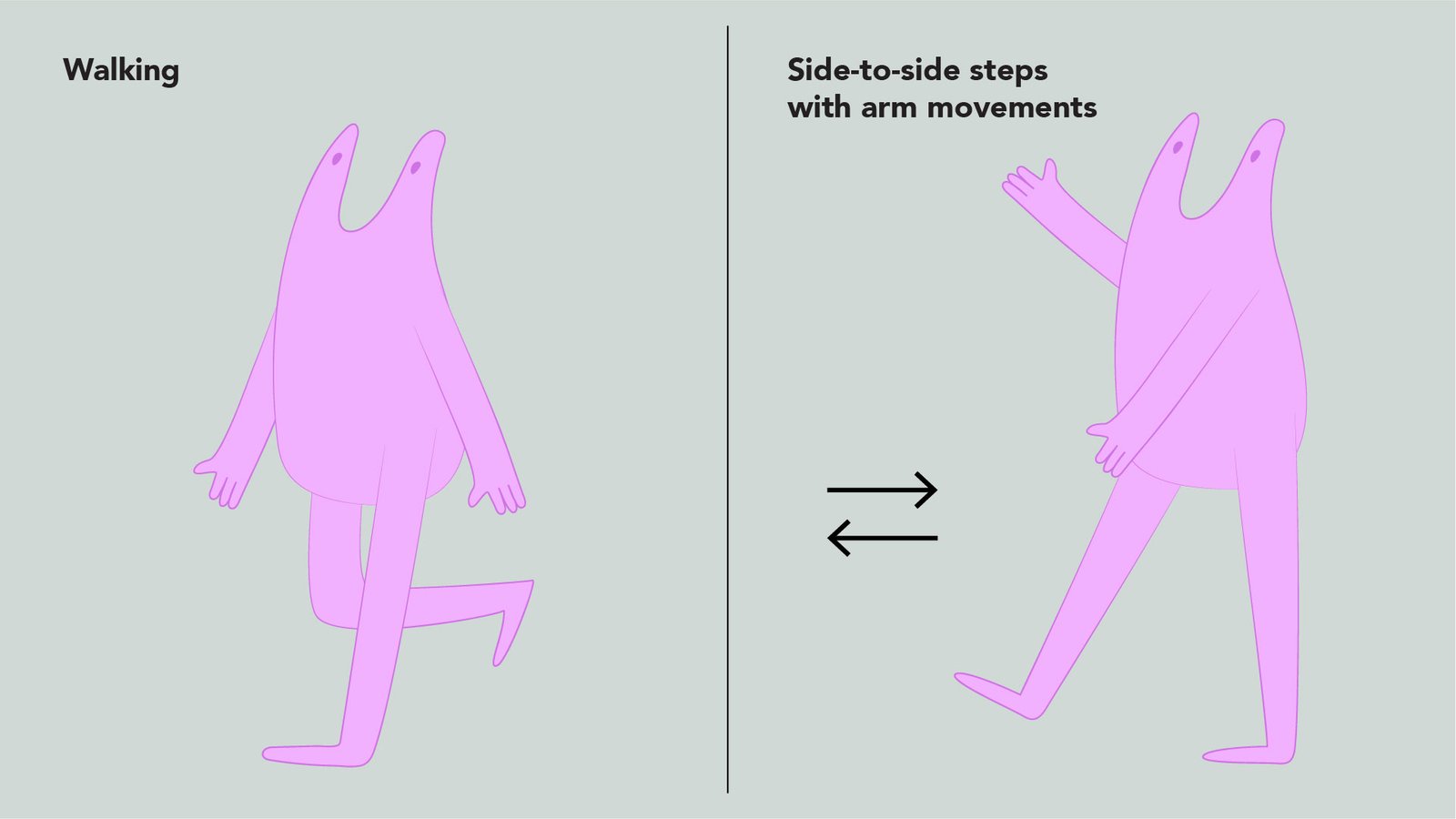
Option A: Walk (indoors or outdoors)
- Posture tall, arms swing by your sides, moderate pace (you can talk in short sentences).
- Intervals (optional): 30 sec brisk → 90 sec easy × 2–3 reps.
Option B: Step Side-to-Side (no space needed)
- Step right, swing arms naturally; step left; find a rhythm.
- Make it slightly brisk while staying low-impact.
Cool-down (5 min)
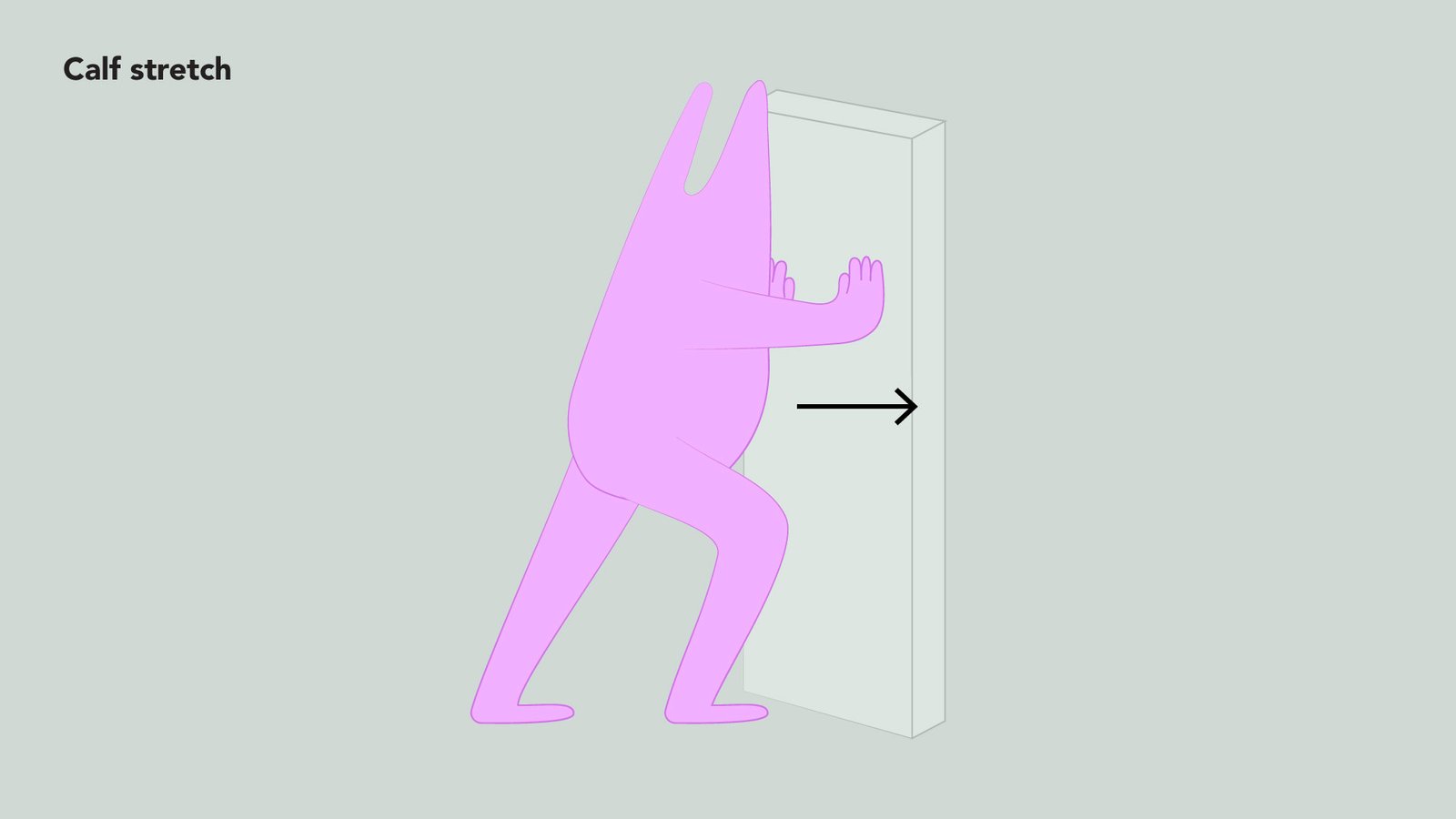
- Calf stretch (30–45 sec/side): face a wall with your hands on it, place one leg back with the heel on the floor, and lean forward while keeping that back leg straight until you feel a stretch. Hold for 15-30 seconds, then repeat on the other leg.
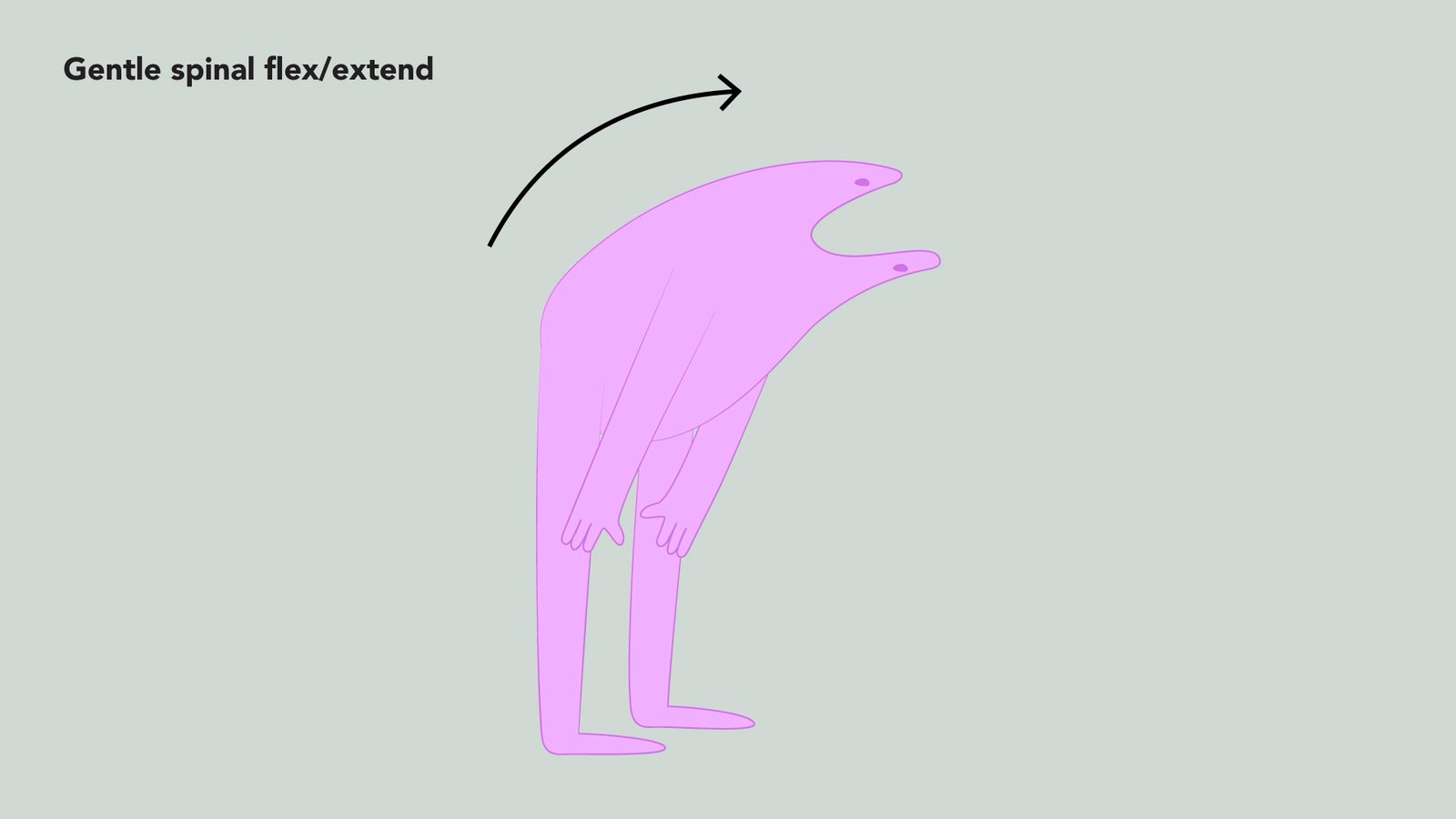
- Gentle spinal flex/extend (30–60 sec): Stand with your feet shoulder-width apart. Place your hands on your hips or lower back for support. Gently lean backward, arching your back by rotating from your hips. Hold for 30 seconds, or repeat the gentle movement several times.
- Breathing reset (1 min): Inhale through nose, long easy exhale.
Why low-impact cardio exercise helps?
Cardio lifts mood and supports hot-flash management; short intervals improve fitness without long sessions.
Day 3: Gentle Yoga and Relaxation
20–25 minutes.
Warm-up (5 min)
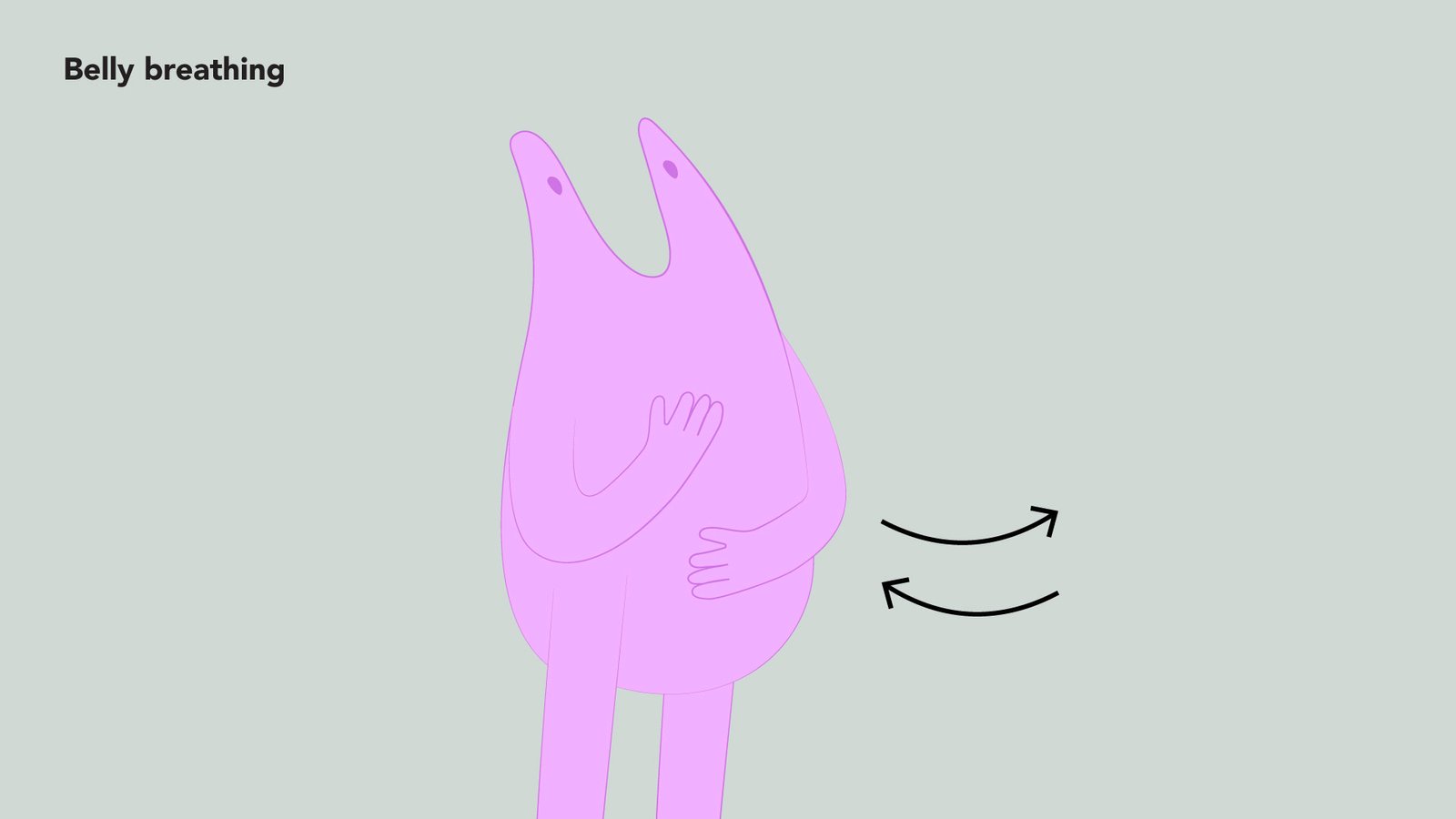
- Belly breathing (60–90 sec): one hand on chest, one on belly – belly rises on inhale, softens on exhale.
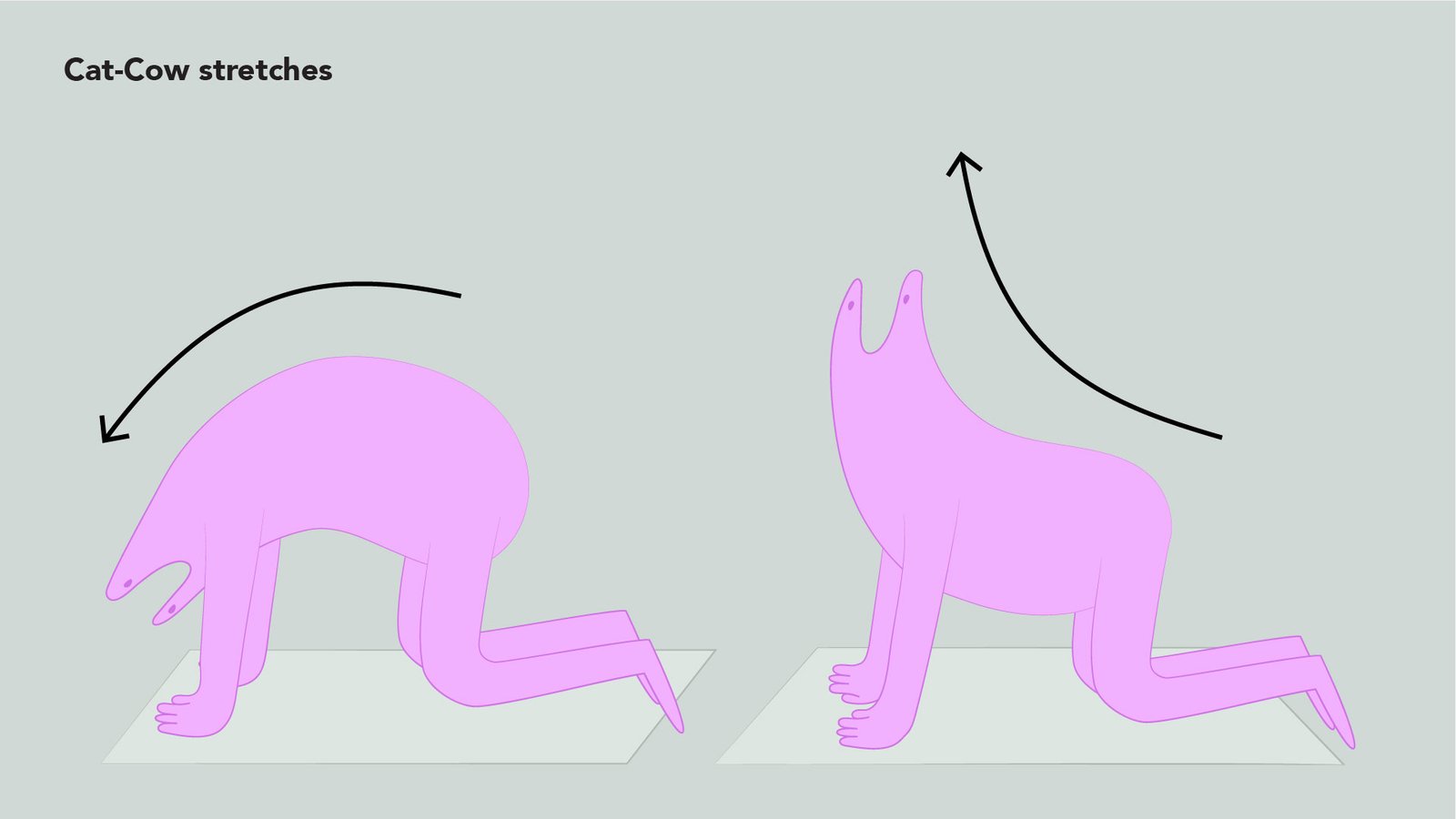
- Cat–Cow (~8 slow reps):
- Starting position: kneel on the floor and place your hands directly under your shoulders and your knees directly under your hips. Your back should be straight, creating a neutral spine.
- Cow pose: as you inhale, drop your belly toward the floor, arch your back, and lift your gaze and tailbone toward the ceiling. Squeeze your shoulder blades together.
- Cat pose: As you exhale, tuck your chin towards your chest, round your spine towards the ceiling, and engage your abdominal muscles. Let your head and tailbone drop down.
Main (15 min)
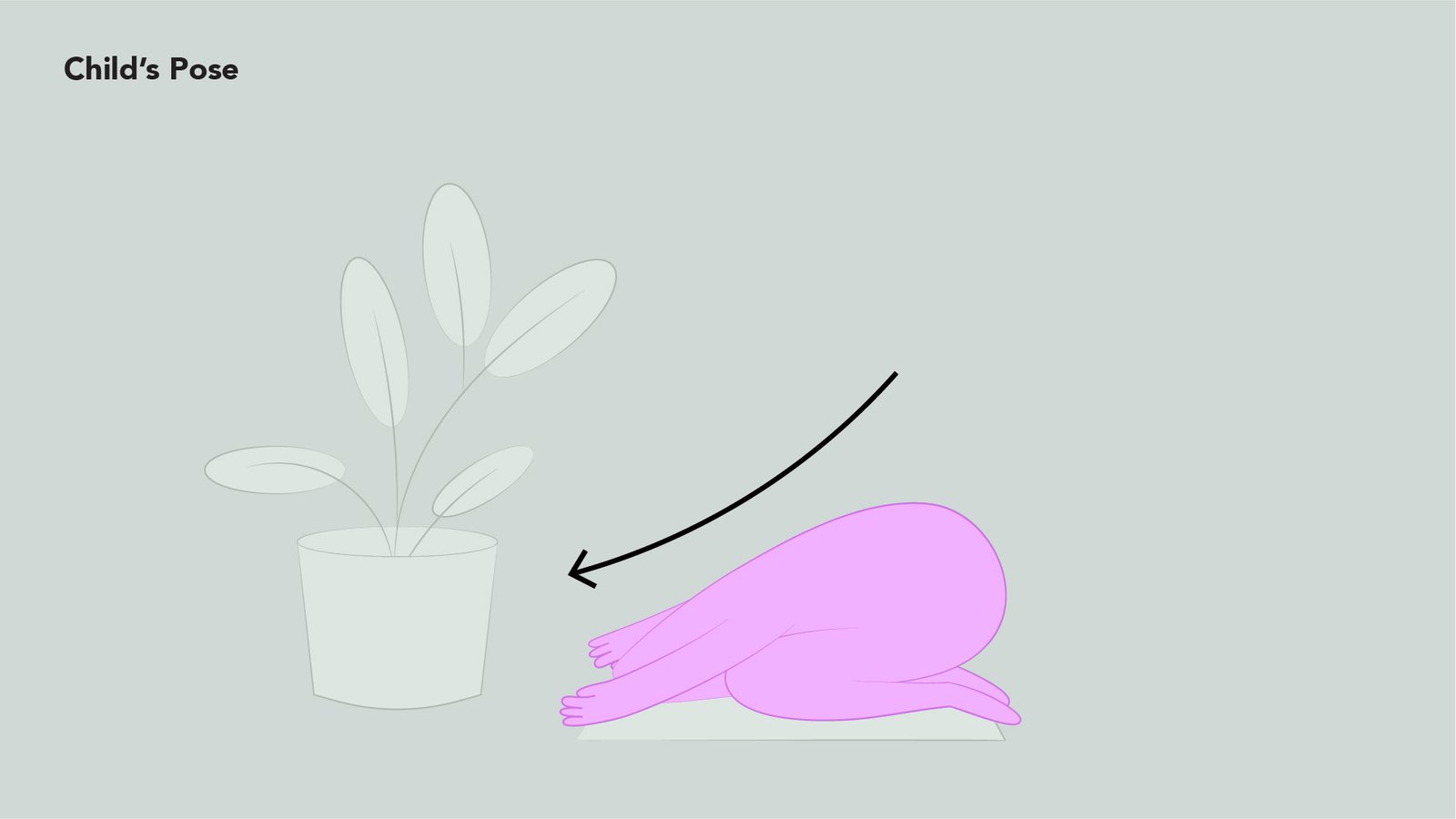
Child’s Pose (1–2 min, easy breathing)
- Start on your hands and knees with your big toes touching and knees hip-width apart. Sink your hips back to rest on your heels, and fold your torso forward to rest your forehead on the floor.
- Extend your arms forward or rest them alongside your body with palms facing up.
- Props welcome – cushion under hips or chest; stack fists for your forehead.
Warrior 1 (2×20–30 sec/side)
- Start in a lunge with your back foot at a 45-degree angle and the heel pressed down.
- Square your hips to the front, bend your front knee over the ankle, and lift your arms overhead with palms facing each other.
- Keep your shoulders relaxed and chest lifted, then hold for a few breaths.
- You can hold chair for balance.

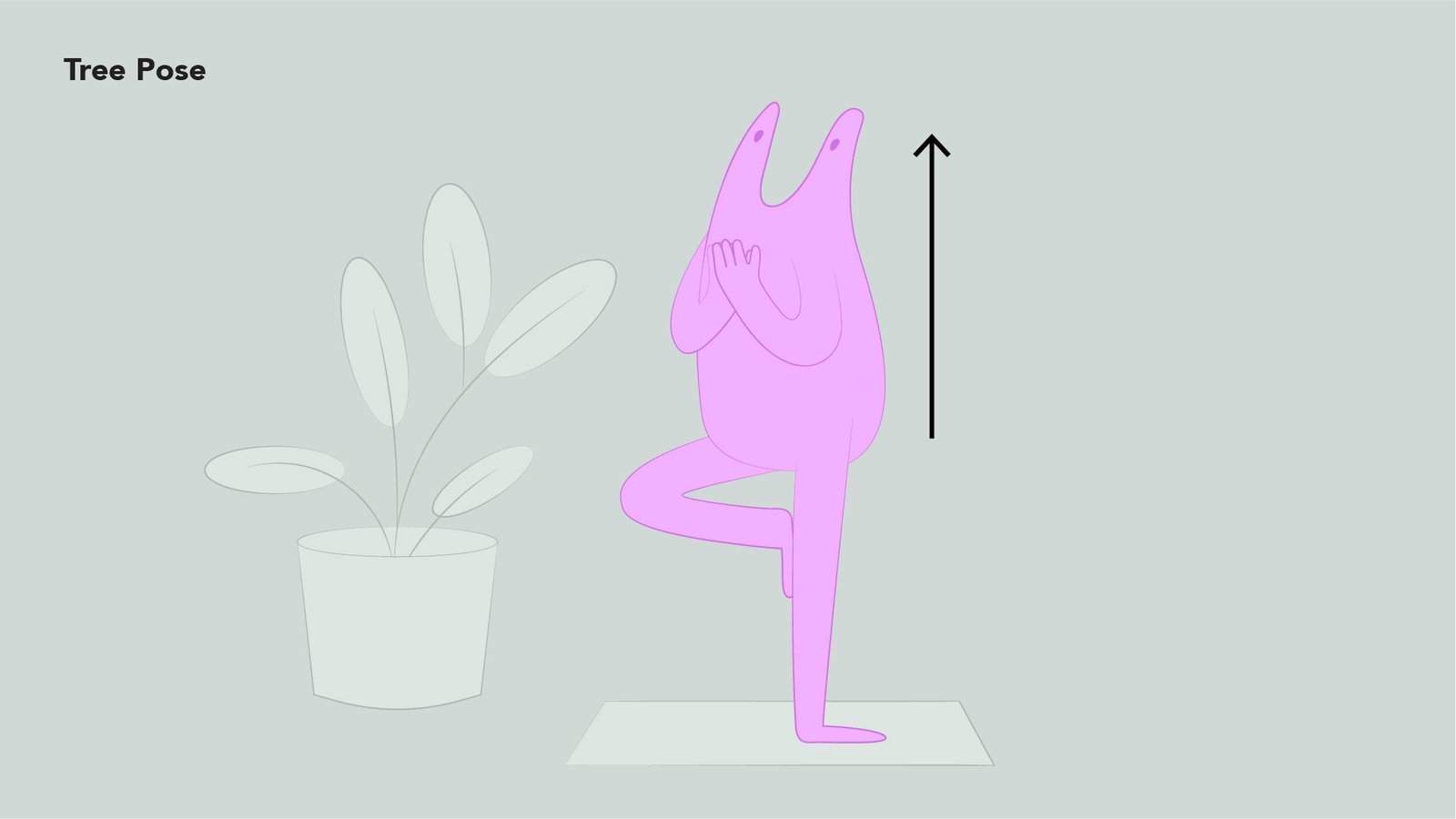
Tree Pose (2×20–30 sec/side)
- Stand with your feet together and your arms relaxed at your sides.
- Shift your weight to one leg, and place the sole of the other foot on the inner thigh of the standing leg, above or below the knee.
- Find your balance by focusing your gaze on a single point and keeping your spine straight, then raise your hands overhead in a prayer position.
- For an easier version, keep your toes on the ground and your heel on the shin.
Cool-down (5 min)
- Seated hamstring stretch (30–45 sec/leg): sit with one leg extended, heel on the floor, and the other leg bent with the foot flat on the floor. Keep your back straight, lean forward from your hips to feel a stretch in the back of the extended thigh, and hold for 30 seconds before switching legs.
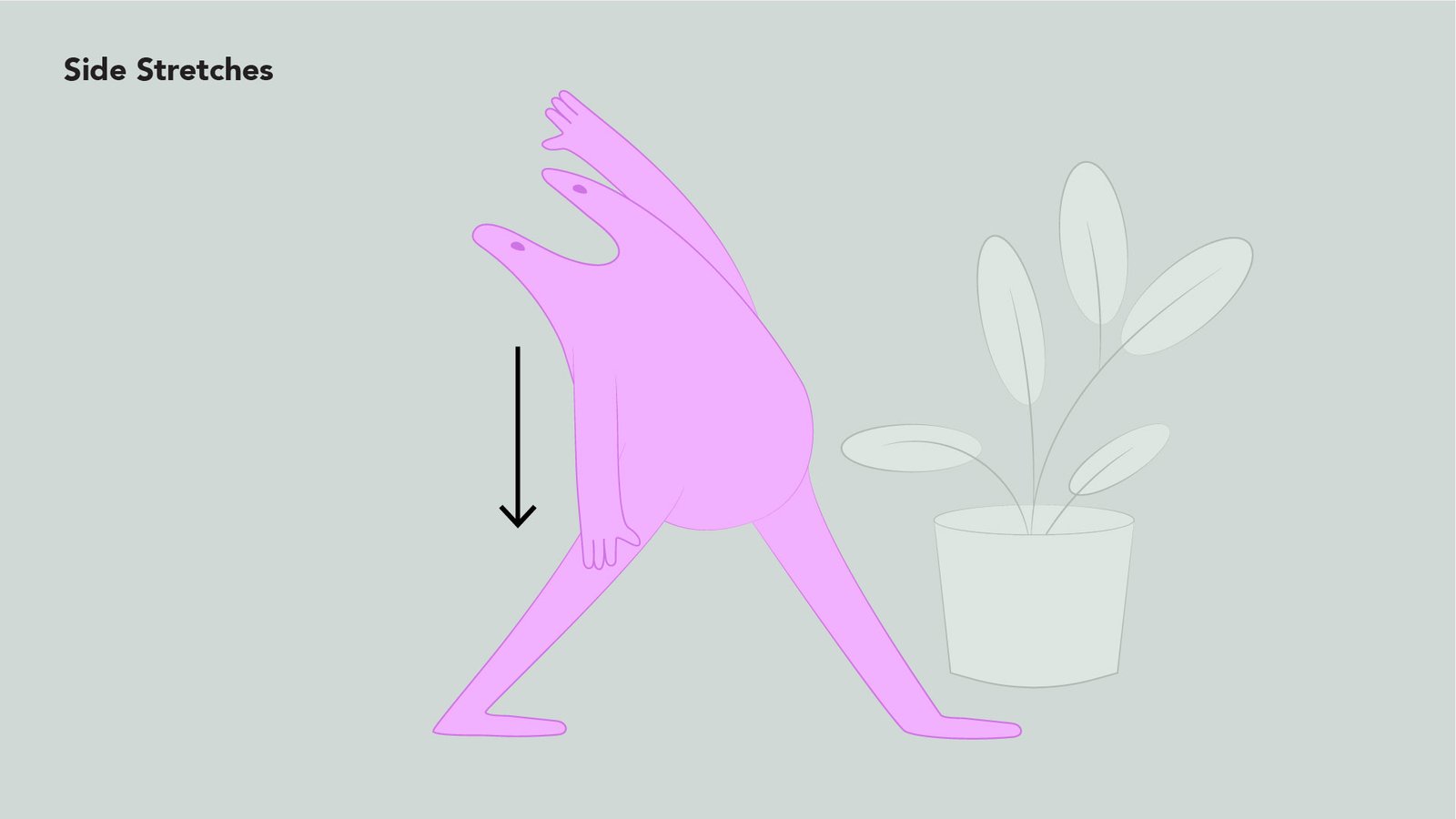
- Side-body stretch (30–45 sec/side):
- Stand with feet hip-width apart. Raise one arm overhead. Lift your left arm straight up, reaching for the sky.
- Keeping your back straight and your hips and shoulders facing forward, bend your upper body to the right.
- As you bend, try to reach your left hand further overhead to deepen the stretch along the left side of your body. Hold the position for about 30 seconds, or longer for tighter areas. Return to center.
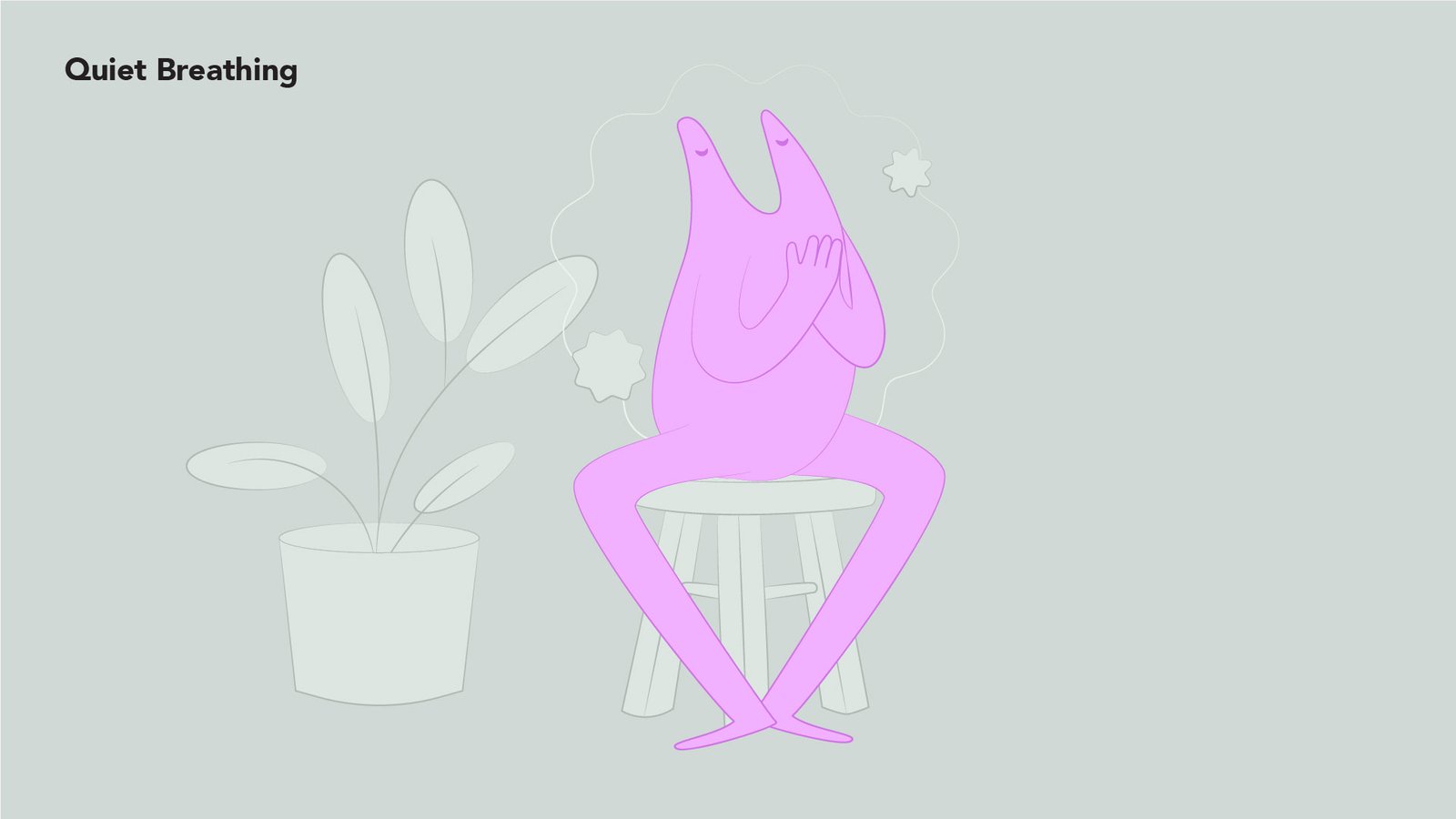
- Quiet breathing (1–2 min): breathe in gently and silently through your nose, allowing your belly to expand while your chest remains relaxed and still. Exhale slowly and lightly through your nose or mouth, focusing on releasing tension, and pause briefly before the next inhale.
Why Gentle Yoga and Relaxation Helps?
Mobility reduces stiffness; breath-led movement calms your nervous system and supports sleep.
Disclaimer
I’m not a certified coach or a healthcare professional. This plan is general guidance for educational purposes only. Please move at your own pace, use proper form, and modify as needed to avoid injury. Stop if you feel pain, dizziness, or unusual symptoms. This is a recommendation, not medical advice – consult your clinician before starting or changing any exercise routine, especially if you have existing conditions or take medication.
Quick Recovery Habits
- Hydrate (especially if hot flashes are frequent).
- Eat more protein (supports muscle repair and fullness).
- Walk on rest days (5–15 min counts).
- Wind-down ritual (dim lights, gentle stretch, screens off 30–60 min before bed).
How to Know It’s Working?
- You feel steadier on stairs or getting up from chairs.
- Walks feel easier, and you recover faster.
- Sleep or mood is a notch better on workout days.
- You add reps/time without “paying for it” the next day.
Track any of the above weekly; tiny wins = real progress.
When to Move to Level 2?
After 2–4 weeks at Level 1, if you can complete all sets at moderate pace and finish feeling “I could do a bit more,” you’re ready for Level 2: Swing Into Consistency. If not, stay here and keep banking reps there’s no rush.