09 December 2025
Fiber Explained: Your Gut, Hormones, and Menopause Transition

Reading time 10 min

Reading time 10 min
You’ve probably heard that fiber is good for you. Many of us remember our grandmothers dutifully stirring a glass of orange Metamucil and calling it their “daily health routine.” Back then, fiber was mostly about keeping poo regular. Today, we know better. Fiber is not just a bathroom fix; it’s a metabolic multitasker. Science shows that it influences how your body handles glucose, how your gut microbes behave, and even how your brain feels1.
What does fiber do during menopause?
Soluble and insoluble fiber feed gut microbes, slow glucose absorption, improve insulin sensitivity, and support heart health. Aim for 25–30 g per day, add about 5 g per week, drink more water, and mix food sources with psyllium if needed.
Dietary fiber comes only from plants and is the part your body can’t fully digest. Foods that come from animals, like meat, eggs, or dairy, don’t have any dietary fiber. Instead of being broken down in your small intestine like most carbs, fiber moves to your colon, where it feeds your gut microbiota (some call it microbiome), your inner ecosystem of bacteria.
There are two main types2:
They act differently, but form a partnership your body relies on. Soluble fiber helps you feel full, feeds beneficial gut bacteria, prevents blood sugar spikes, and supports cholesterol balance. Insoluble fiber promotes regularity and helps remove waste efficiently.
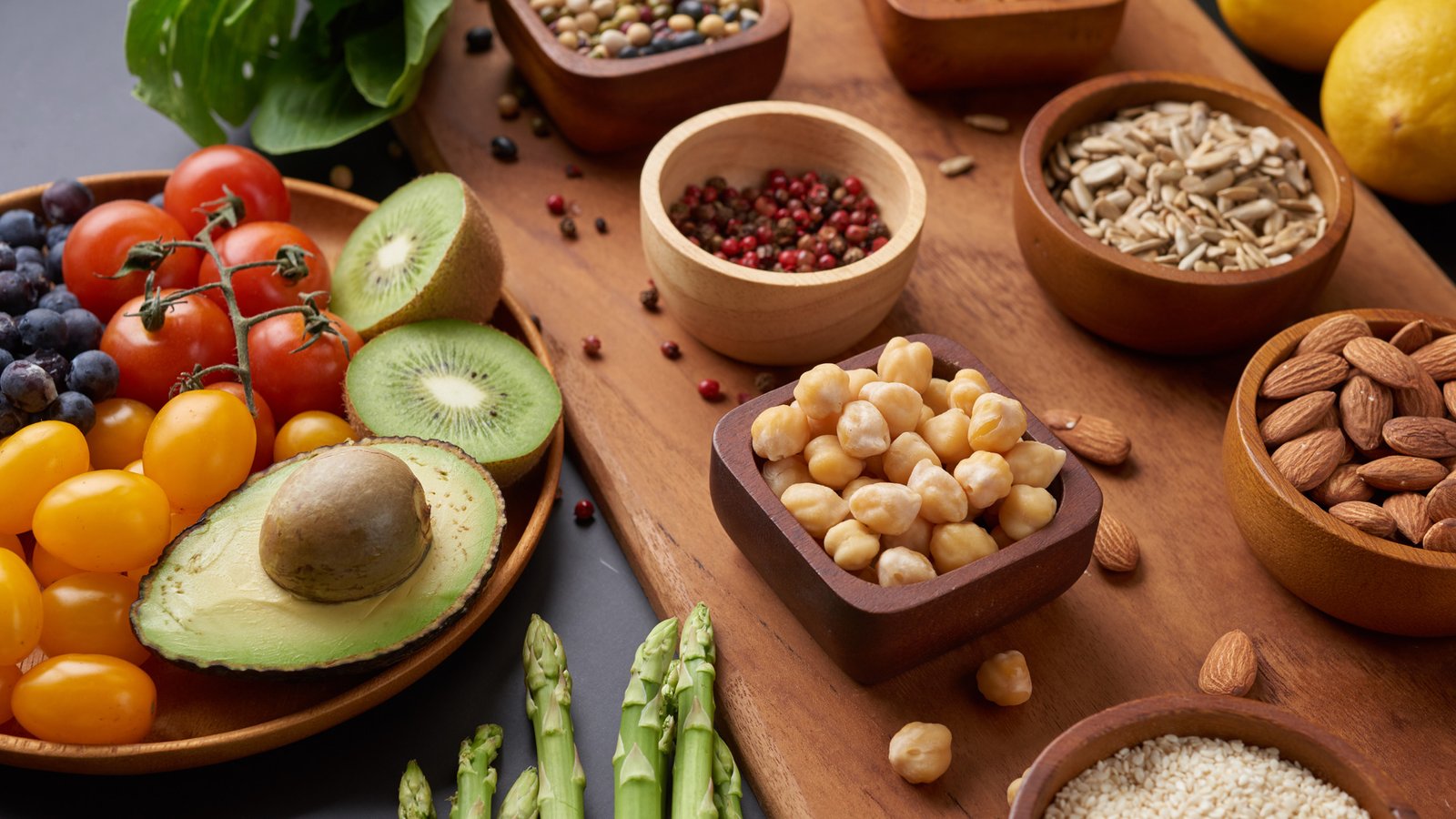
Fiber improves insulin sensitivity, reduces visceral fat, lowers systemic inflammation, and maintains gut microbiome diversity that declines during menopause. That’s a very impressive list!
There are claims that fiber can improve your menopause symptoms and even improve your mood. These claims might be true, but the jury is out on how much fiber can affect your mental and cognitive well-being. Let’s focus on robust science that reveals an impressive role fiber can play in your health.


Eating enough soluble and insoluble fiber is strongly associated with better metabolic health during perimenopause and menopause. There is a lot of talk and confusion about “metabolic health,” but research gives us a clear picture of what fiber does.
Large population studies show that women who consume the highest amounts of fiber have about a 20-30% lower relative risk of metabolic syndrome compared with those who eat the least. This means around 7-8 fewer women out of every 100 develop metabolic syndrome when eating enough fiber.
The benefits are lower fasting glucose and triglyceride levels, improved insulin sensitivity, and healthier waist circumference. Soluble fiber slows glucose absorption and stabilizes blood sugar, while insoluble fiber supports fat metabolism and gut function.
“Clinical trials show that consistently eating more fiber at least for a couple of months can lower fasting glucose and reduce LDL cholesterol by up to 10%.”
In addition, fiber, especially from whole grains and cereals, can lower the risk of developing type 2 diabetes3. Together, these effects help counteract the rise in fat accumulating around waist and heart disease risk that often result from the drop in estrogen levels during the menopause transition4, 5.
After menopause, heart disease risk rises sharply as estrogen’s protective effects disappear. LDL, or “bad,” cholesterol typically increases by 10-15%, HDL, or “good,” cholesterol declines, and arteries become stiffer.
Research shows that eating a lot of fiber (about 25 gr a day) reduces the risk of coronary heart disease by 10-30%6. Cereal fiber (from whole grains) appears to be the king (or queen) of protecting your heart7. In addition to improving metabolic health which in turn also reduces heart disease risk, fiber lowers levels of inflammation in the body. High levels of markers of chronic inflammation in the blood (for example C-reactive protein, IL-6 and TNF-α-R2) are linked to the buildup of plaque in arteries. Fiber can lower the levels of these inflammation markers which improves heart health8.

Eating enough fiber can help your gut stay healthy during menopause transition. Think of it as food for your good gut bacteria. Fiber helps them grow stronger and keeps the gut community more diverse and balanced, which supports better digestion, energy, and even overall well-being.
Fiber, especially the soluble kind, helps good gut bacteria thrive. Think of Bifidobacterium and Lactobacillus, you often hear about them in yogurt ads. In postmenopausal women, eating more fiber is also linked to having more Bacteroides uniformis (a helpful bacteria) and fewer Clostridium species, which can produce harmful toxins9.
When you eat more fiber, your gut bacteria become more diverse and stable, which is a sign of a healthier gut and body overall. Whole-grain cereal fibers and a mix of different plant-based fibers seem to work best for building a resilient gut microbiome that can handle stress and keep you feeling well10.

Soluble prebiotic fibers (like inulin and oligosaccharides) help increase calcium absorption in the colon. As your estrogen loss starts accelerating, bone loss also increases. Several controlled trials show improved calcium balance in postmenopausal women when these soluble fibers are added to the diet. (Your bones and your bowels might be on the same team.)
Perfect. But jumping from 10 grams a day to 30+ grams (hello, broccoli and beans) requires a little finesse.
Fiber isn’t glamorous. It’s not going to make headlines like the latest hormone therapy or trendy supplement. But the science on fiber is rock solid and the benefits can be significant. And unlike many interventions for menopause, fiber comes with virtually no downsides when you increase it gradually and drink enough water.
The gap between what most women eat (10-17 grams) and what we need (25-35 grams) represents hundreds of preventable health issues. So while fiber might not cure your hot flashes or stop your mood swings (despite what some websites claim), it’s working behind the scenes to protect your metabolic and heart health.
Dr. Jūra Lašas
1.
Barber, T. et al. The Health Benefits of Dietary Fibre. (2020) https://doi.org/10.3390/nu12103209
2.
Burton-Freeman, B. et al. Ratios of soluble and insoluble dietary fibers on satiety and energy intake in overweight pre- and postmenopausal women. (2017) https://doi.org/10.3233/nha-160018
3.
Reynolds, A. et al. Dietary fibre and whole grains in diabetes management: Systematic review and meta-analyses. (2020) https://doi.org/10.1371/journal.pmed.1003053
4.
Chen, J-P. et al. Dietary Fiber and Metabolic Syndrome: A Meta-Analysis and Review of Related Mechanisms. (2017) https://doi.org/10.3390/nu10010024
5.
Lie, L. et al. The Association of Dietary Fiber Intake with Cardiometabolic Risk in Four Countries across the Epidemiologic Transition. (2018) https://doi.org/10.3390/nu10050628
6.
Wu, Y. et al. Association between dietary fiber intake and risk of coronary heart disease: A meta-analysis. (2015) https://doi.org/10.1016/j.clnu.2014.05.009
7.
Milanlouei, S. et al. A systematic comprehensive longitudinal evaluation of dietary factors associated with acute myocardial infarction and fatal coronary heart disease. (2020) https://doi.org/10.1038/s41467-020-19888-2
8.
Grooms, K. et al. Dietary Fiber Intake and Cardiometabolic Risks among US Adults, NHANES 1999-2010. (2013) https://doi.org/10.1016/j.amjmed.2013.07.023
9.
Zengul, A. et al. Associations between Dietary Fiber, the Fecal Microbiota and Estrogen Metabolism in Postmenopausal Women with Breast Cancer. (2020) https://doi.org/10.1080/01635581.2020.1784444
10.
Myhrstad, M. et al. Dietary Fiber, Gut Microbiota, and Metabolic Regulation—Current Status in Human Randomized Trials. (2020) https://doi.org/10.3390/nu12030859
11.
Holloway, L. et al. Effects of oligofructose-enriched inulin on intestinal absorption of calcium and magnesium and bone turnover markers in postmenopausal women. (2007) https://doi.org/10.1017/s000711450733674x
Eat to Thrive

Healthy Body & Mind

Brain & Mind Wellness

Treatments & Supplements
Eat to Thrive

Understanding Menopause
Scientific Research

Understanding Menopause

Eat to Thrive

Lifestyle & Self-Care

Scientific Research
Exercise & Nutrition

Eat to Thrive

Symptoms Explained

Eat to Thrive
Eat to Thrive

Scientific Research

Treatments & Supplements

We use cookies and similar technologies to ensure the proper functioning of our website, personalize content, provide social media features, and analyze traffic. By clicking “I Agree”, you consent to the use of these technologies.
No results