Day 1 – Strength Training
45 minutes
Warm-up (5 min)
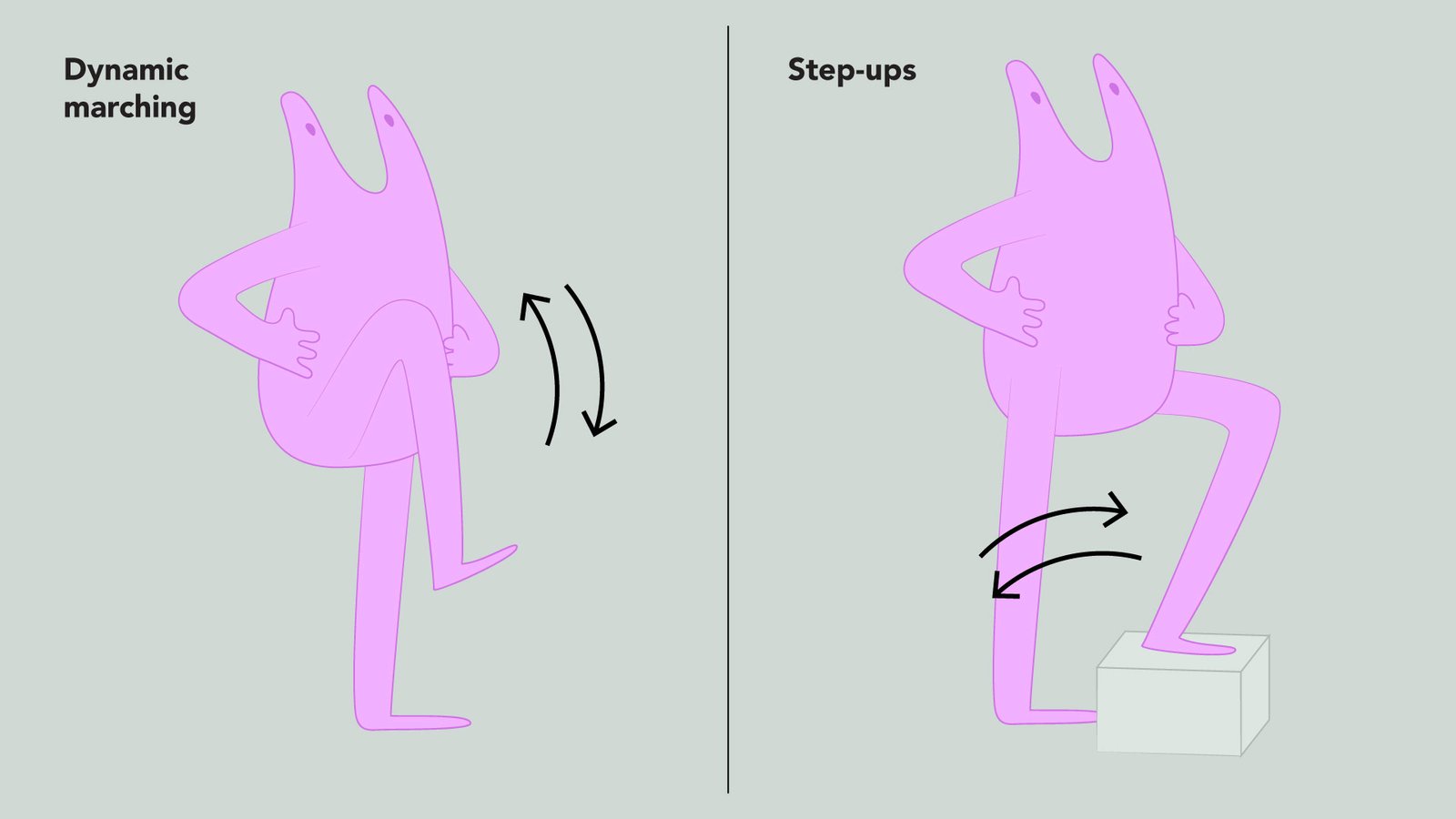
- Dynamic marching or step-ups (2 min): stand with one foot in front of a box and then either step up with one foot and bring the other knee up to your chest, or step up with one foot and bring it back down, alternating legs for a dynamic march.
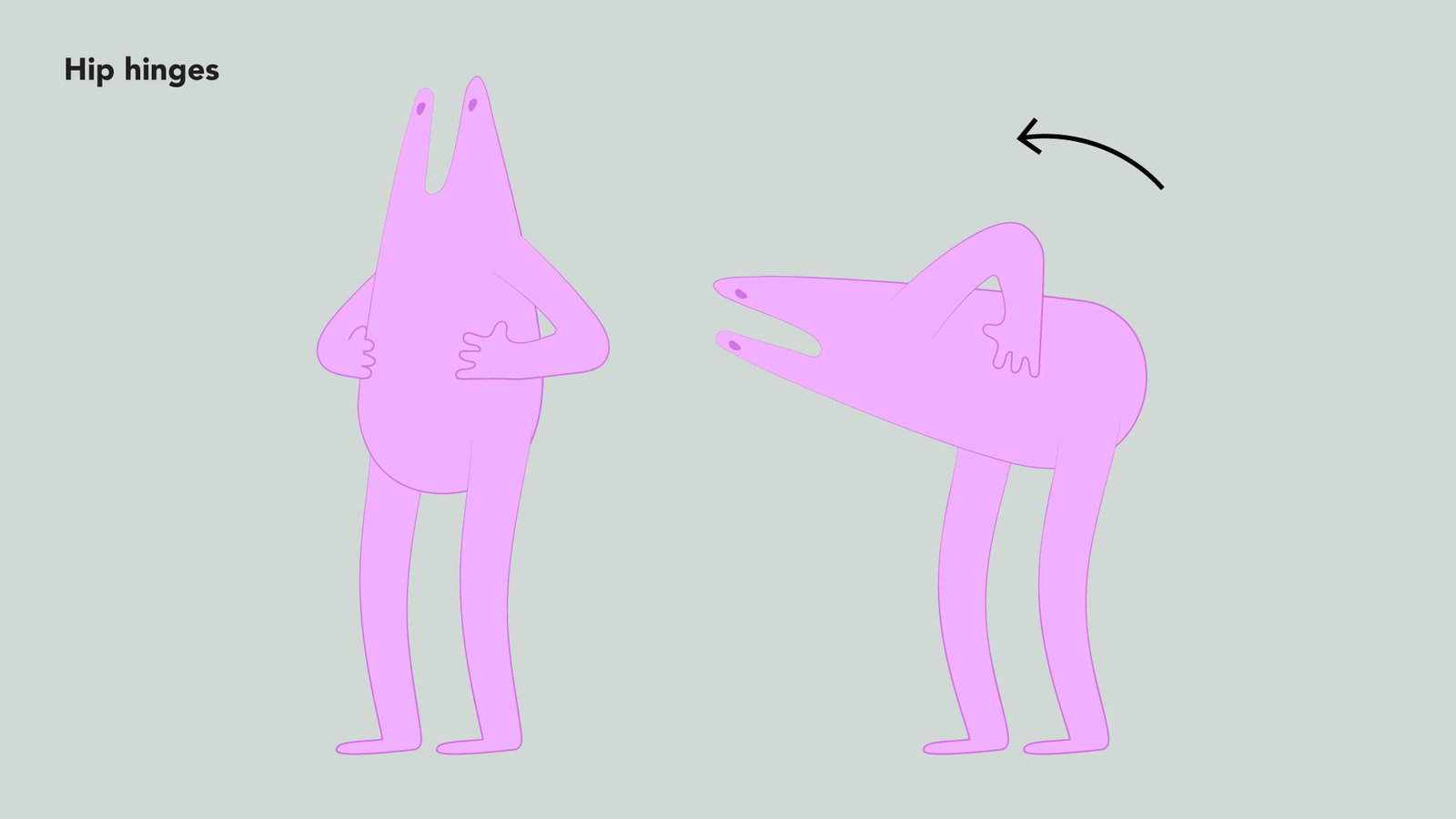
- Hip hinges (30–45 sec): stand with feet shoulder-width apart and knees slightly bent, then push your hips back while keeping your back straight and chest up. Lower your torso until it’s nearly parallel to the floor, then return to the starting position by driving your hips forward and squeezing your glutes.
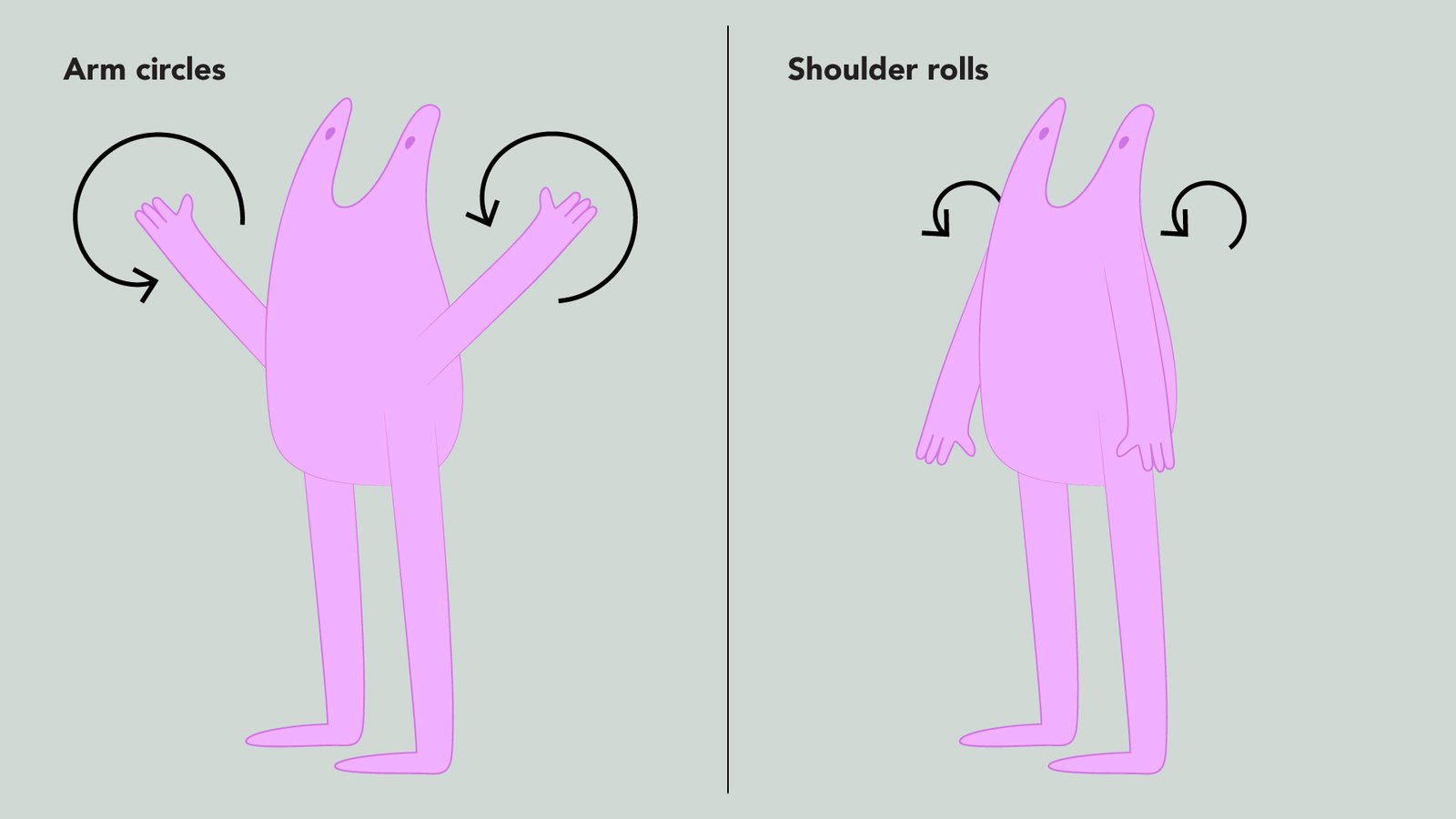
- Arm circles & shoulder rolls (60–90 sec):
- Arm circles: stand tall with arms extended to the sides, then make small or large circular motions forward or backward.
- For shoulder rolls, keep your arms relaxed at your sides and make a circular motion with your shoulders, moving them up, back, down, and forward.
- Lunge prep (30–45 sec): start from a kneeling position: kneel with one leg forward, foot flat on the floor, and knee bent at a 90-degree angle. Then, tuck your back toes under and lift your back foot off the floor to come to a standing lunge position, keeping your hips square and chest up.

Main (35 min)
Squats – 3×12
Thighs & glutes; foundation strength.
- Setup: stand with your feet shoulder-width apart, engage your core, and keep your chest up.
- Move: bend your knees and hips as if sitting into a chair, pushing your hips back while keeping your back straight and heels on the ground. Lower until your thighs are parallel to the floor, or as low as is comfortable with good form, and then drive through your heels to stand back up.
- Breathe: inhale down, exhale up.
- Form check: heels stay down; knees track over middle toes; chest proud.

Push-ups (modified or standard) – 3×10–12
Chest, shoulders, triceps; core line.
- Options (choose your level):
- Incline: place your hands on an elevated surface like a bench or stairs, get into a high plank position with your body in a straight line, and lower your chest towards the surface by bending your elbows. Push back up to the starting position, keeping your core engaged and back flat.
- Knees: start on your hands and knees with hands shoulder-width apart. Keep your back straight, core engaged, and lower your chest towards the floor by bending your elbows. Then, push back up to the starting position.
- Standard: start in a plank position with hands under shoulders and body in a straight line, then lower your chest to the floor by bending your elbows, and push back up to the starting position.

One-Arm Dumbbell Row – 3×12/side (use light DB; water bottle works)
Upper back, lats; posture support.
- Setup: place one knee and one hand on a bench for support, keeping your back flat and core engaged.
- Move: with the opposite hand, hold a dumbbell, and pull it up towards your hip while squeezing your shoulder blade, then slowly lower it back down with control.

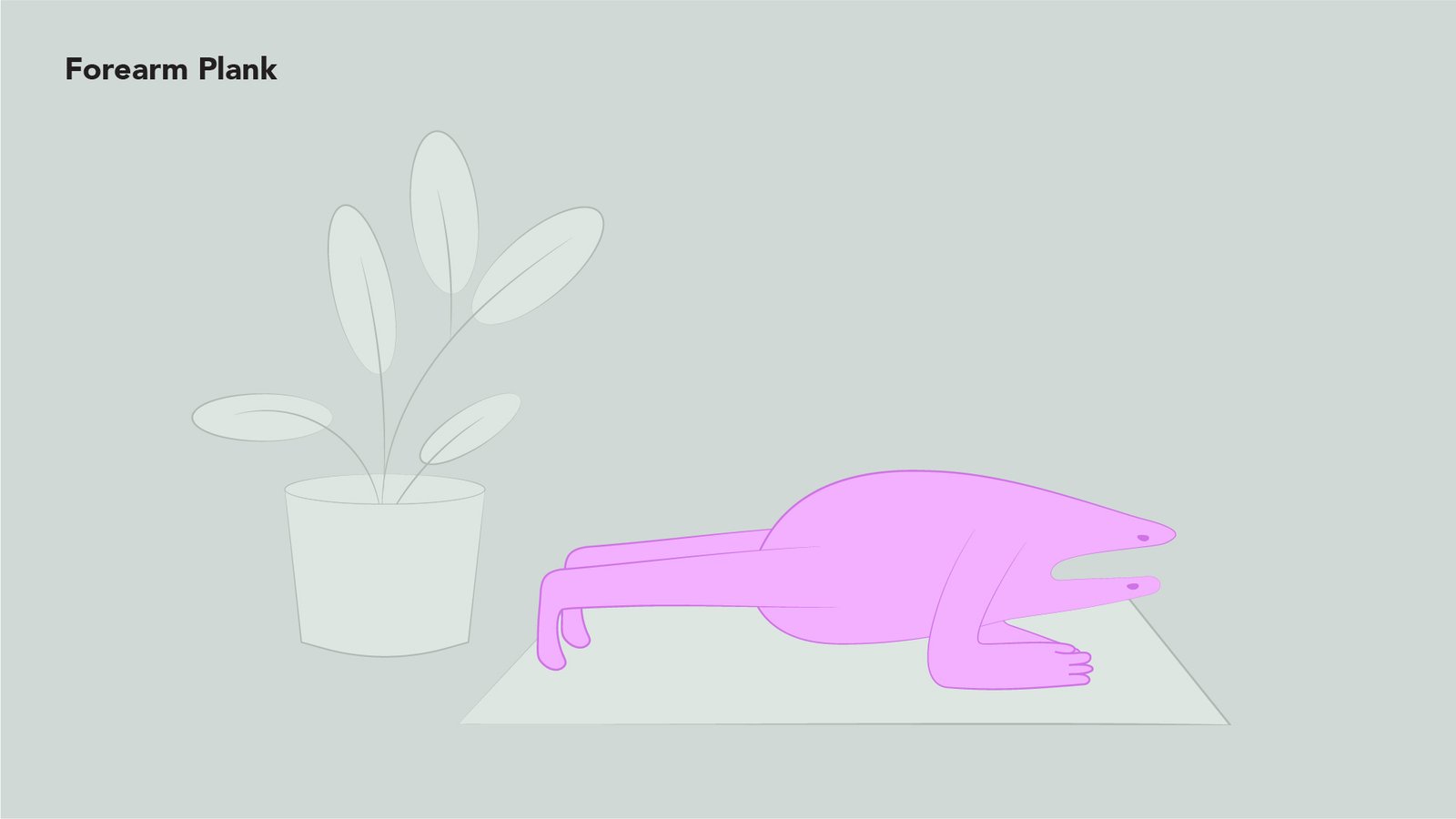
Forearm Plank – 3×20–30 sec
Deep core; spine support.
- Start by lying face down and placing your elbows directly under your shoulders with your forearms on the floor.
- Step your feet back one at a time, lift your hips to create a straight line from your head to your heels, and engage your core and glutes.
- Hold this position, making sure your back is flat and your neck is neutral, for a set amount of time.
Rest: 60–90 sec between exercises for clean form.
Cool-down (5 min)
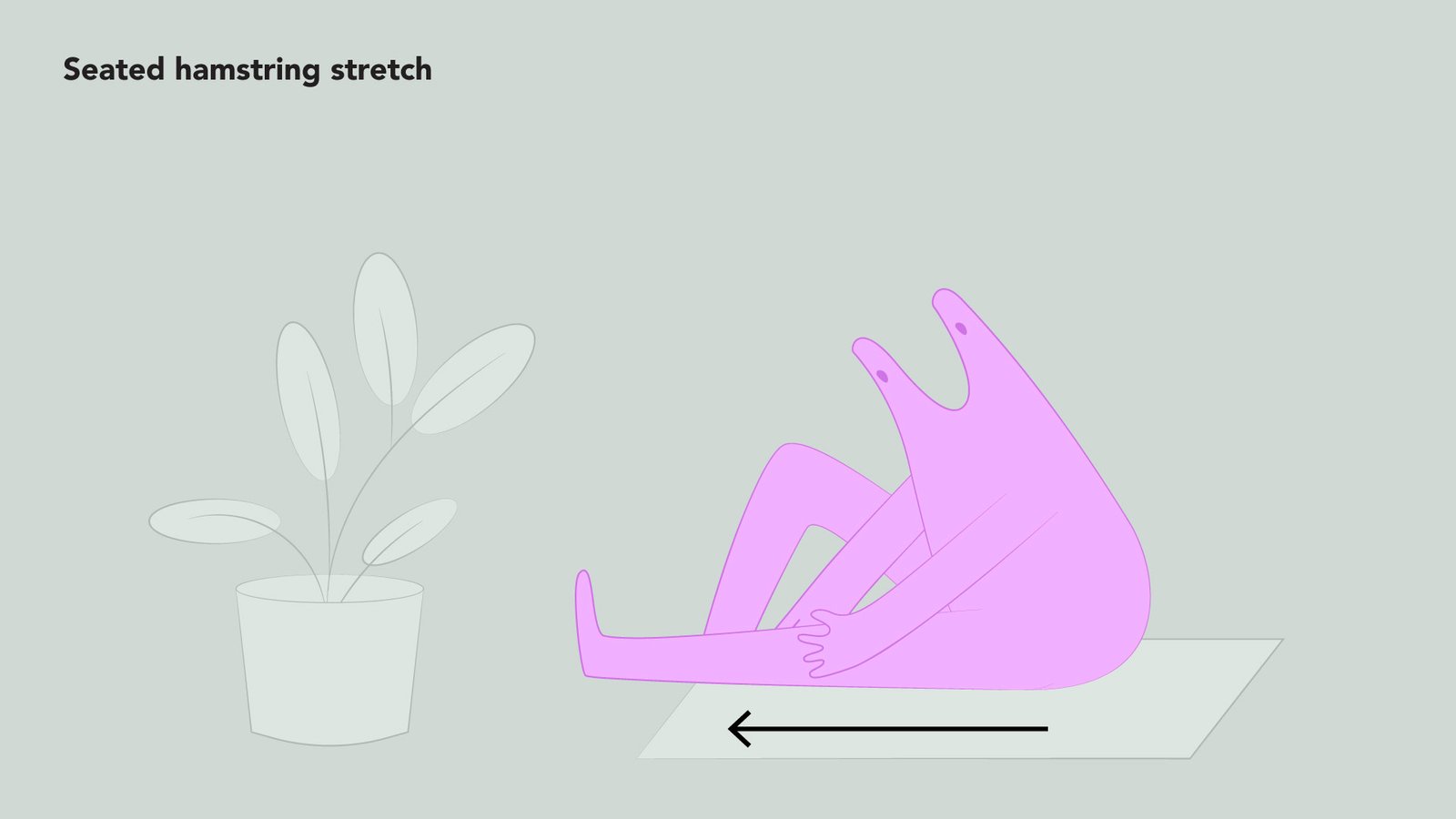
- Seated hamstring stretch (30–45 sec/leg): sit with one leg extended, heel on the floor, and the other leg bent with the foot flat on the floor. Keep your back straight, lean forward from your hips to feel a stretch in the back of the extended thigh, and hold for 30 seconds before switching legs.
- Standing squad stretch (30–45 sec/side): stand tall, hold onto a chair for balance, and use your right hand to grab your right foot behind you. Keeping your knees close together and hips straight, gently pull your heel toward your glutes to feel a stretch in the front of your thigh.

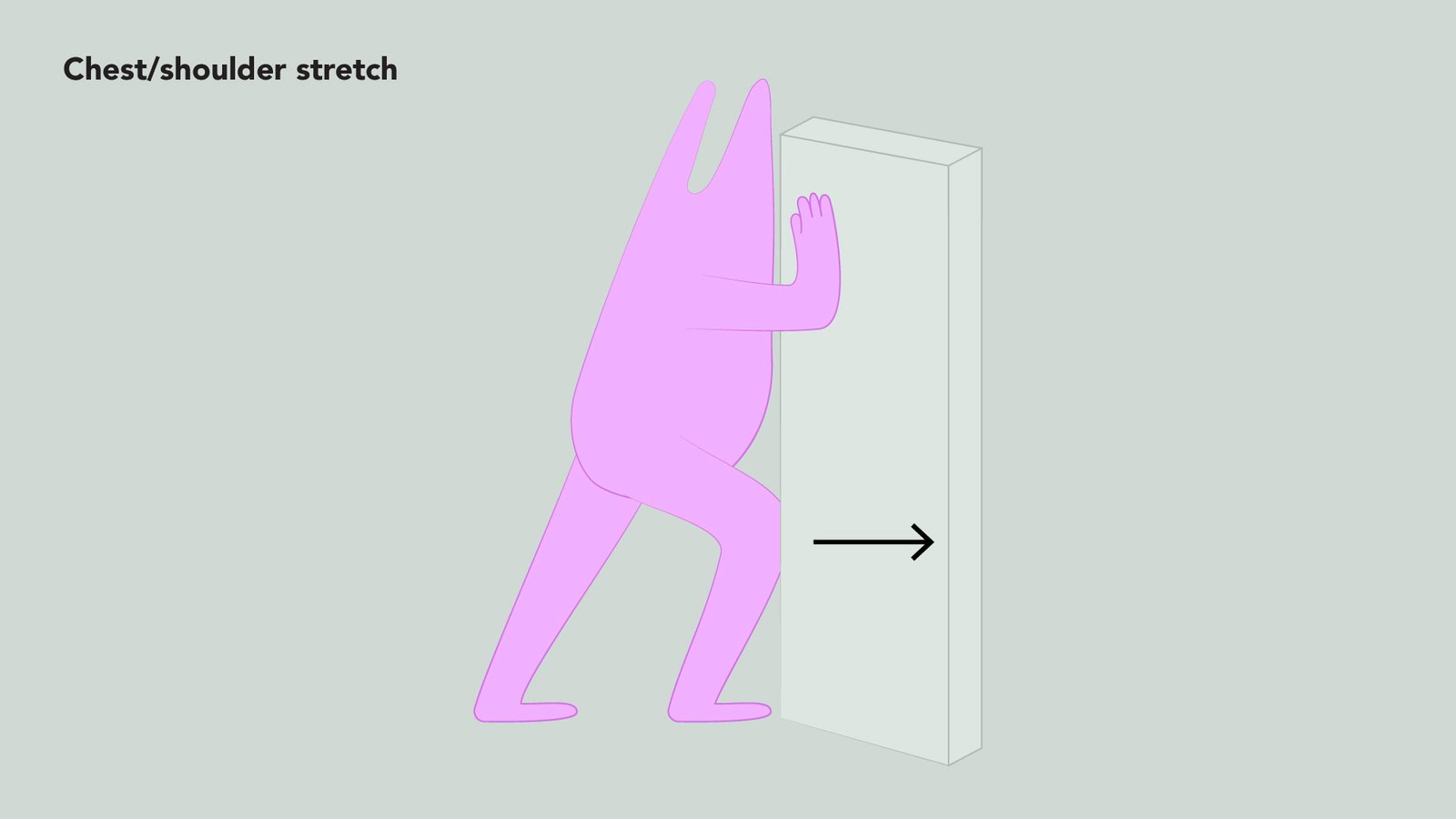
- Chest/shoulder stretch (30–45 sec): stand in a doorway and place one arm against the doorframe, with your elbow bent at a 90-degree angle and your forearm on the frame. Step forward with the foot on the same side as the arm that is against the doorframe. Gently lean your body forward through the doorway until you feel a stretch in your chest and shoulder. Hold for 15-30 seconds, breathing normally. Repeat on the other side.
Why Strength Training Helps?
Bigger sets stimulate muscle and bone, rows offset rounded posture, and planks build a steady core for daily life.
Day 2 – Cardio & HIIT
45 minutes
Warm-up (5 min)
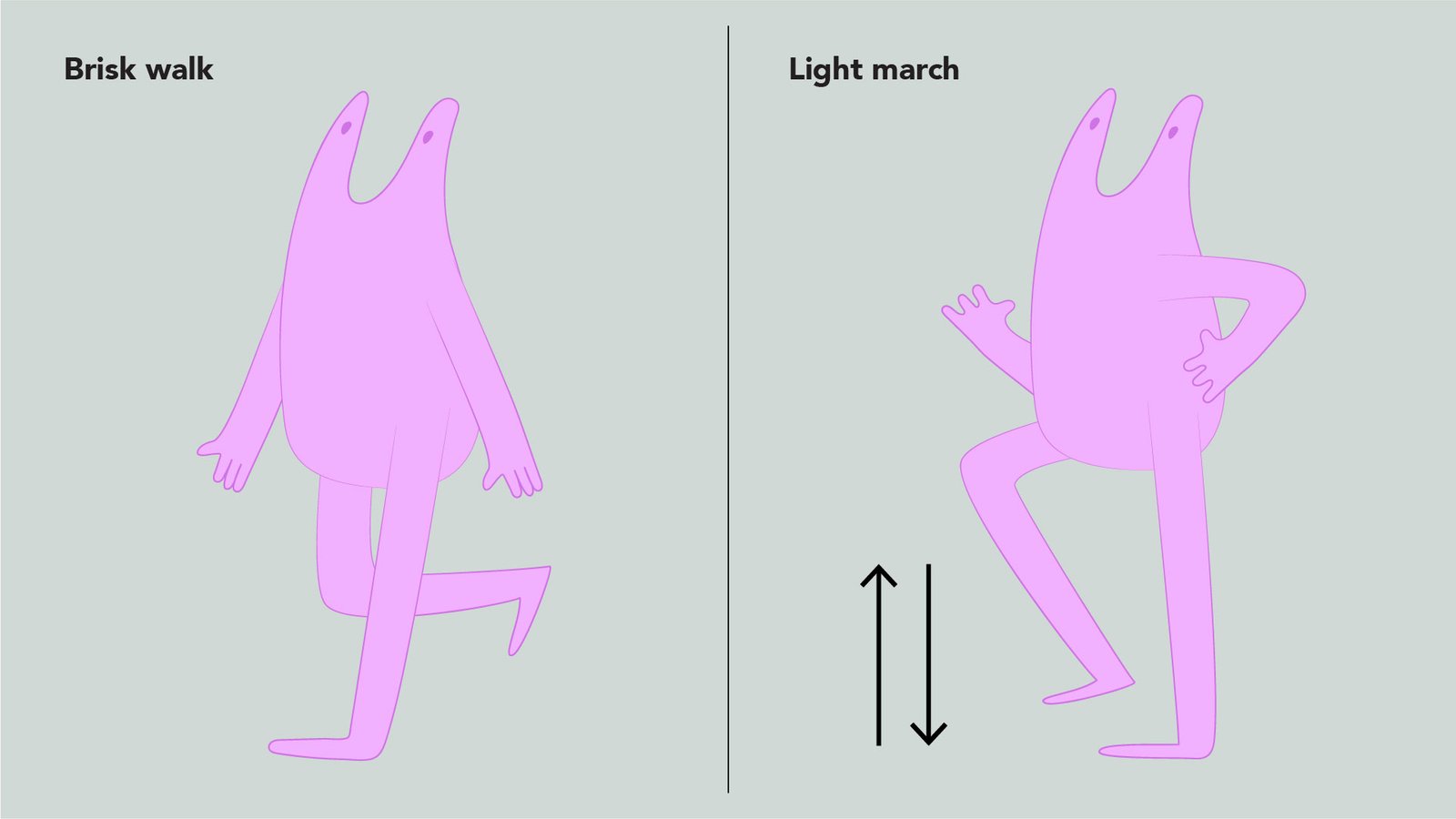
- Brisk walk or light march (3 min): arms swing naturally.
- Leg swings (front/back): stand with a slight bend in your knees, holding onto a wall or stable object for balance. Swing one leg forward and then back in a smooth, pendulum-like motion, keeping your core engaged and your back straight.

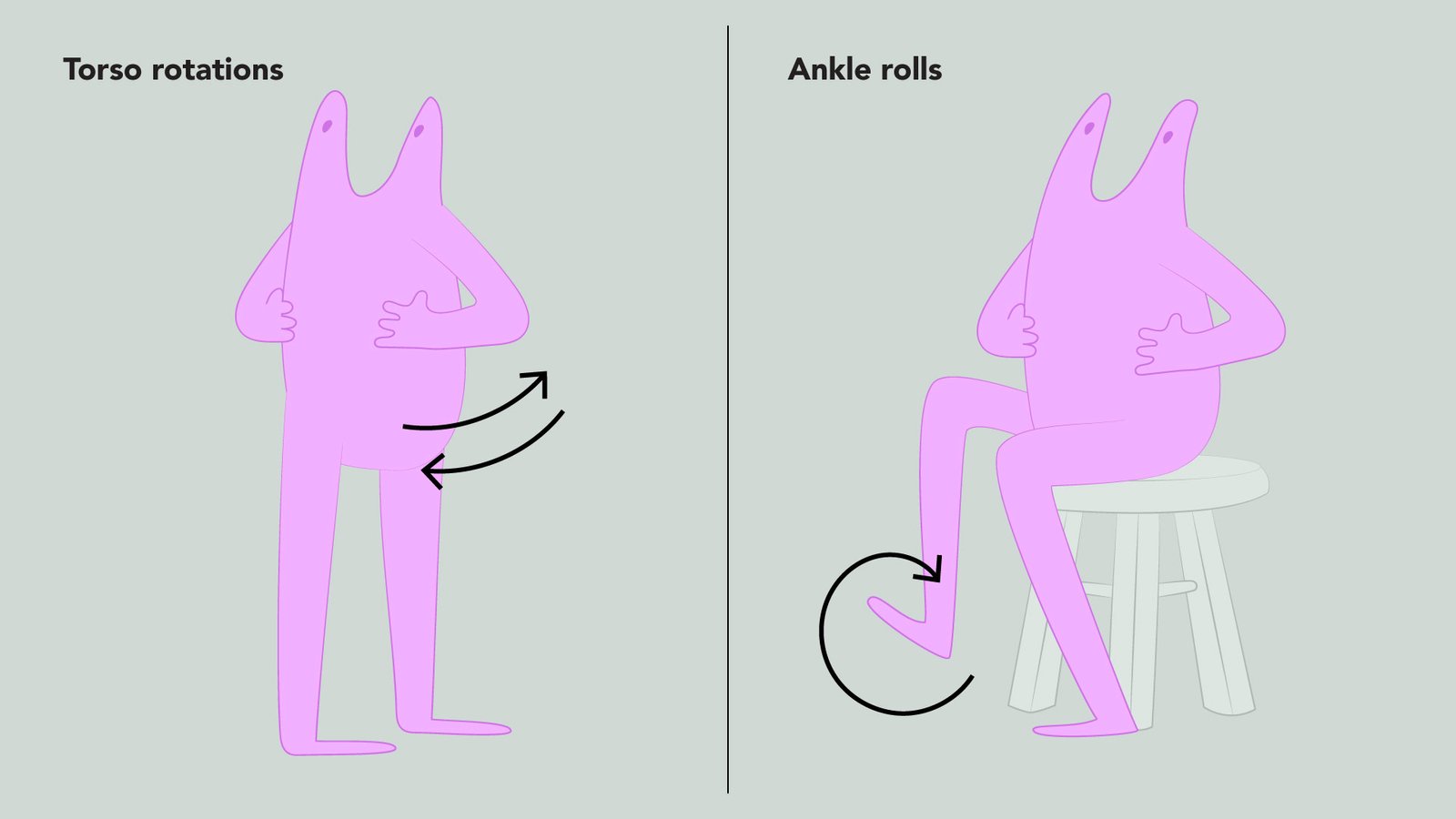
- Torso rotations + ankle rolls (2 min):
- Torso: sit or stand and rotate your torso slowly from side to side, keeping your hips stable.
- Ankle: sit with one foot lifted, rotate it clockwise 10 times, and then counter-clockwise 10 times, repeating on the other foot.
Main (30 min) — 10 Rounds
- 1 min high-intensity → 2 min easy
- Choose your modality (joint-friendly first):
- Uphill brisk walk or faster walk.
- Stationary bike (increase resistance for high-intensity minutes).
- Step jacks (step side-to-side with overhead arms).
- Shadow boxing (fast hands, light feet).
- Low-impact circuit: fast march + mini-squats.
- If your joints tolerate it: light jogging or classic jumping jacks, not required.)
- Tips: keep posture tall, steps light, arms involved; let breath rise on work minutes, fully recover on easy minutes.

Cool-down (5 min)
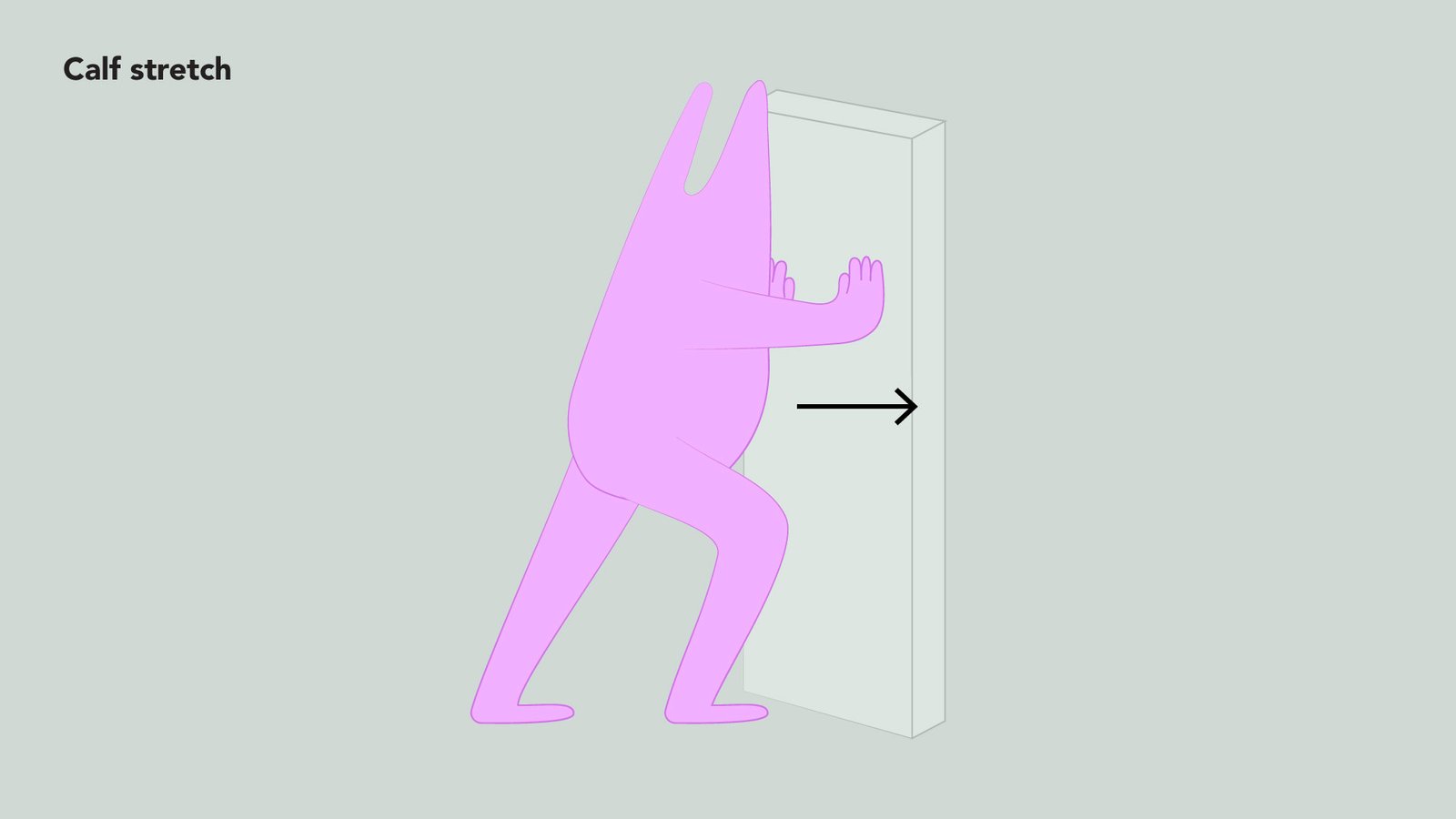
- Calves (30–45 sec/side): perform standing calf stretches by leaning against a wall or using a downward dog-like position to press your heels into the floor.
- Lower back decompression (30-60 sec): lie on your back with bent knees and feet flat on the floor. Pull one knee towards your chest with your hands clasped behind your thigh, keeping the other leg bent with your foot on the floor. Gently alternate between pulling your knee in and then letting it go to repeat the motion.
- Breathing reset (1 min): Inhale through nose, long easy exhale.
Why Cardio & HIIT Helps?
Intervals boost cardio fitness, stamina, and glucose control in less time while keeping joints happy with low-impact options.
Day 3 – Mind–Body & Flexibility
45 minutes
Warm-up (5 min)
- Cat–Cow (~8 slow reps): hands under shoulders, knees under hips; inhale Cow, exhale Cat.
- Child’s Pose (45–60 sec): hips back, arms forward.

Main (35 min)
Warrior II – 2×30–40 sec/side
Hips, legs, posture + focus.
- Stand in a wide stance with your right foot turned out 90 degrees and your left foot angled slightly inward.
- Bend your right knee so it is stacked over your ankle, extend your arms out parallel to the floor, and turn your gaze over your right fingertips.
- Keep your torso upright and long, with hips open to the side, and hold the pose for 5-10 breaths before switching sides

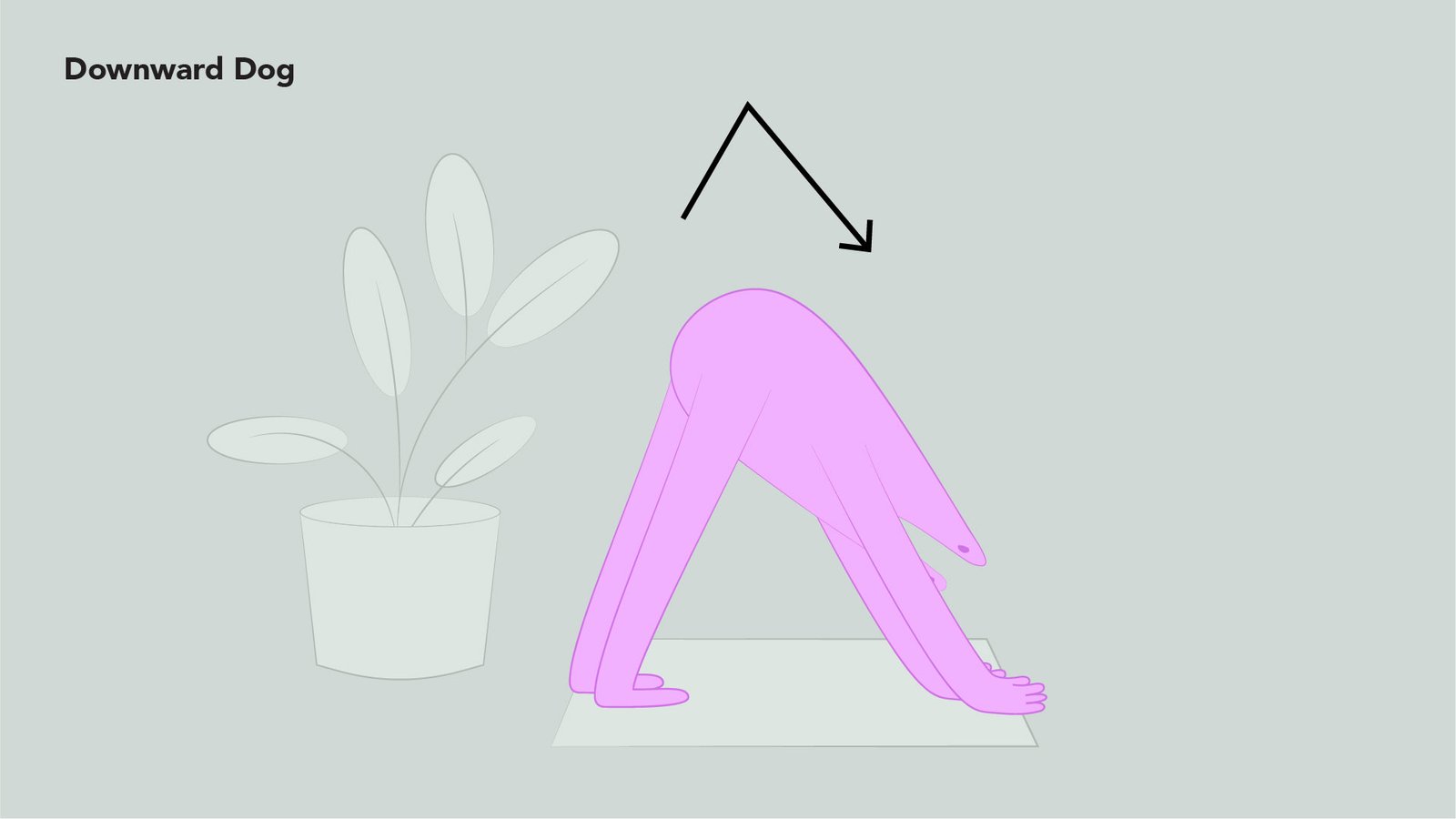
Downward Dog – 2×20–30 sec
Back line stretch; shoulders + core.
- Come to a tabletop position with your hands directly under your shoulders and your knees under your hips.
- Spread your fingers wide and press down through your knuckles and fingertips, keeping your index fingers pointing forward.
- Tuck your toes under. Lift your hips up and back, straightening your legs as much as possible without locking your knees.
- Bend your knees slightly to prioritize a long, straight spine.
- Press your chest towards your thighs to create length from your wrists to your hips.
- Rotate your upper arms outward to broaden your collarbones and move your shoulder blades away from your ears.
- While keeping a slight bend in your knees, press your heels down towards the floor.
Tree Pose – 2×30–40 sec/side
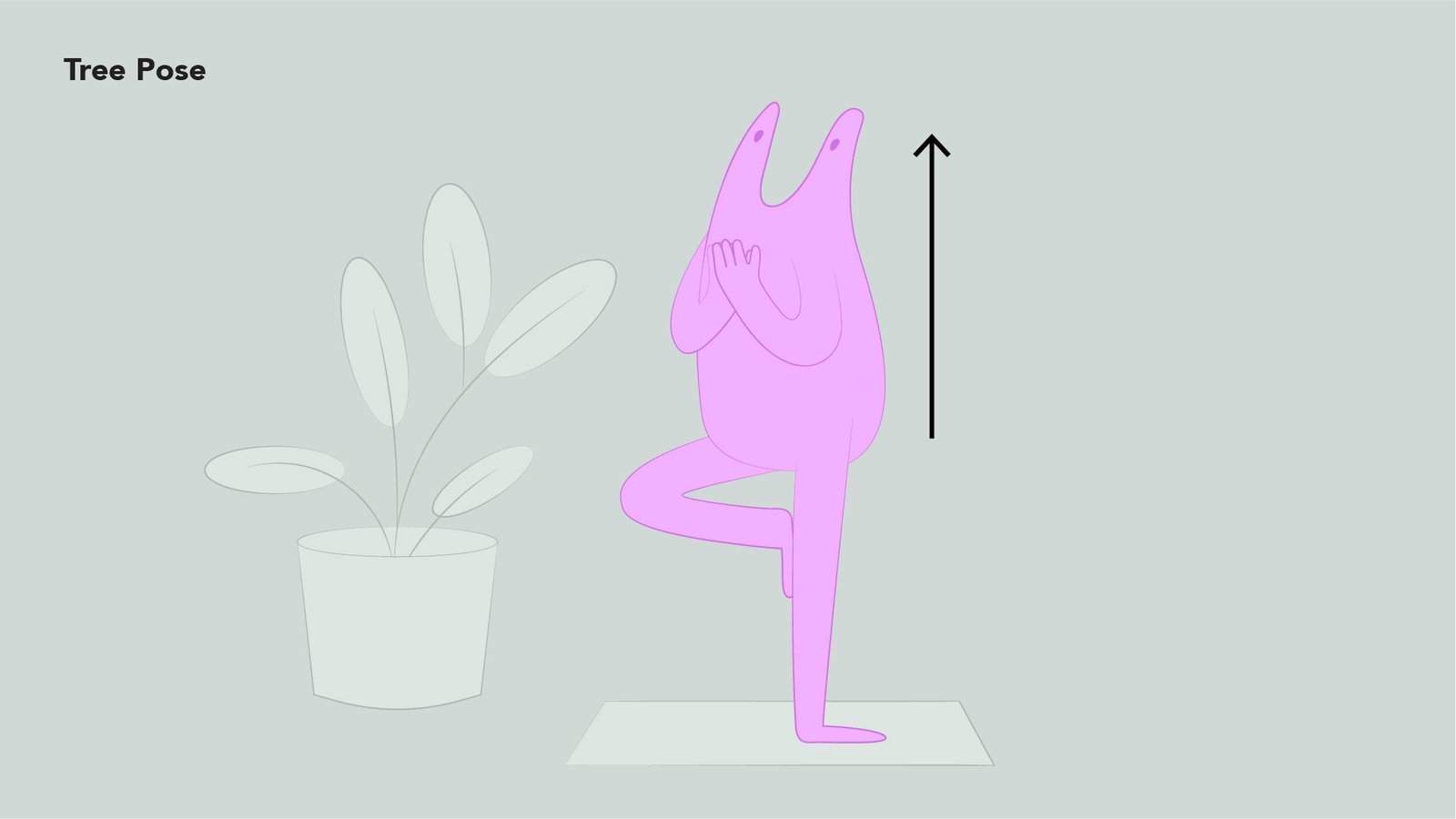
Balance + ankle/hip stability.
- Stand with your feet together and your arms relaxed at your sides.
- Shift your weight to one leg, and place the sole of the other foot on the inner thigh of the standing leg, above or below the knee.
- Find your balance by focusing your gaze on a single point and keeping your spine straight, then raise your hands overhead in a prayer position.
- For an easier version, keep your toes on the ground and your heel on the shin.
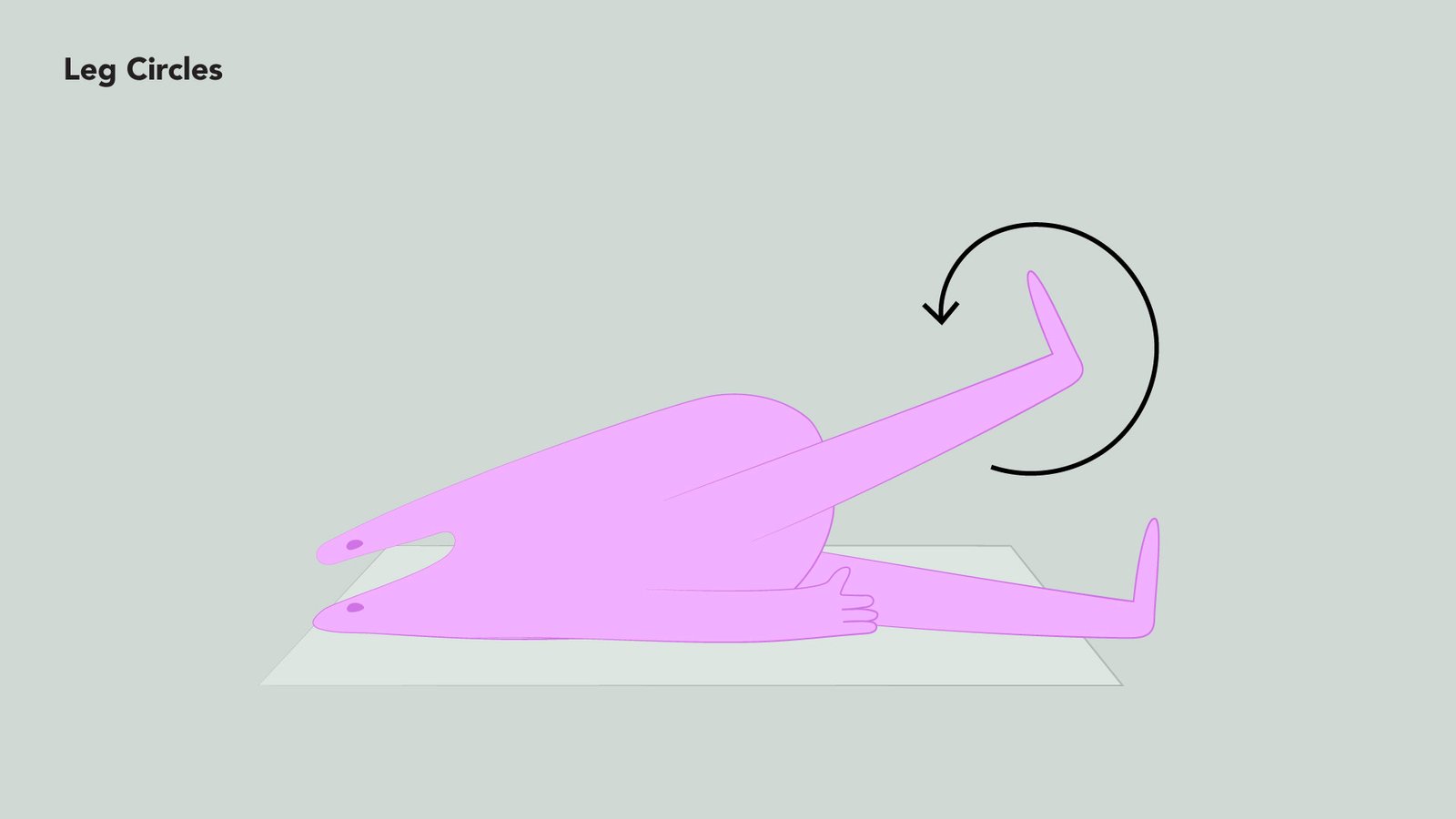
Pilates Leg Circles – 2×8/leg (each direction)
Hip mobility + deep core awareness.
- Lie on your back with one leg extended to the ceiling and the opposite leg on the mat.
- Keep your pelvis still, cross the raised leg over the midline, circle it down and around, and return to the starting position, breathing with the movement.
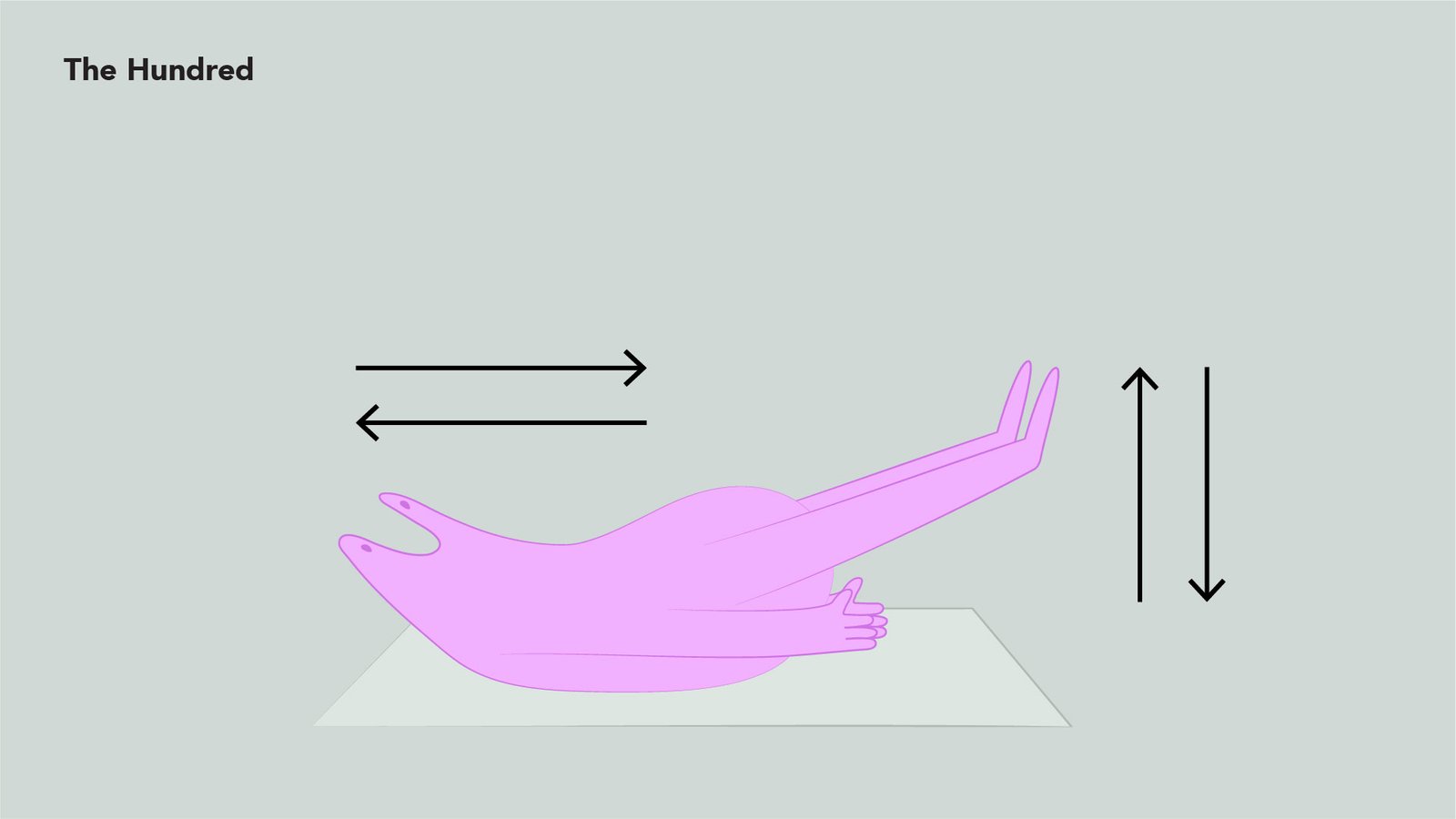
The Hundred (modified) – 2×40–50 pulses
Breath + core endurance.
- Lie on your back, lift your head, neck, and shoulders, and extend your arms straight out at your sides.
- Then, pump your arms up and down vigorously while inhaling for five counts and exhaling for five counts.
Cool-down (5 min)
- Seated forward fold (30–45 sec): sit with your legs straight out in front of you, and hinge at your hips to fold forward, keeping your spine long.

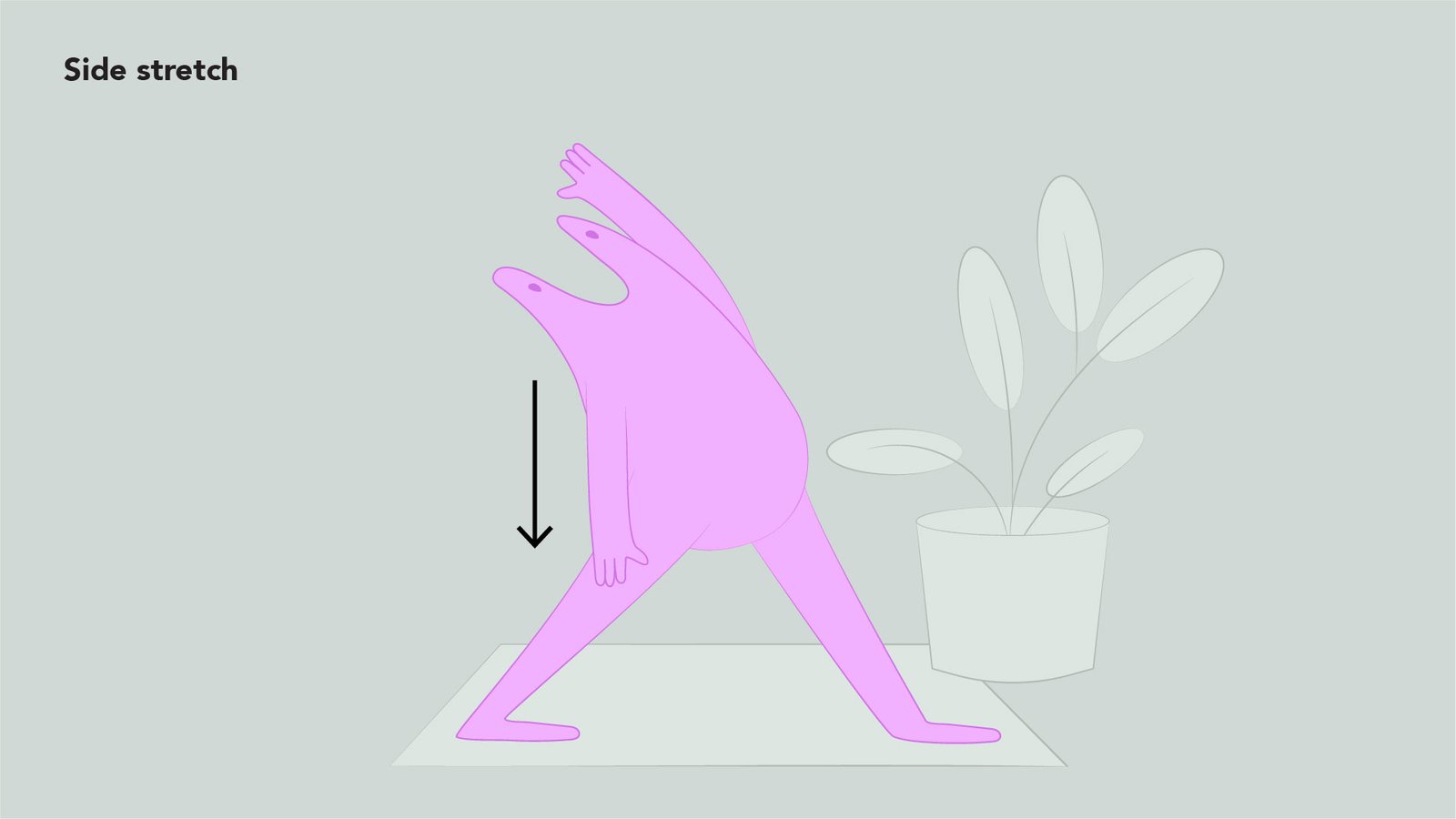
- Side stretch (30–45 sec/side): stand with feet shoulder-width apart, reach one arm overhead, and gently bend your upper body to the opposite side, feeling the stretch along your side.
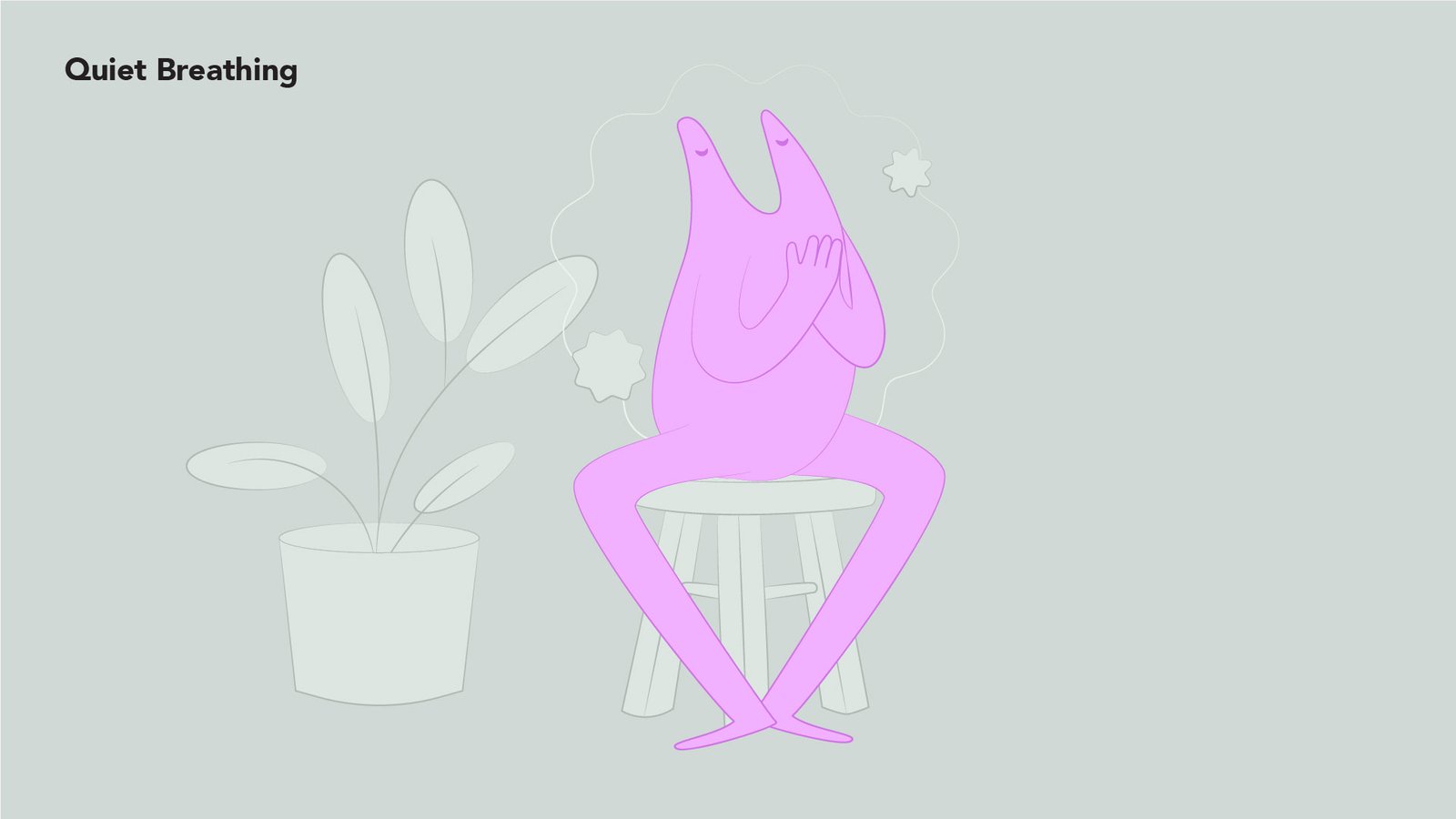
- Quiet breathing (1–2 min): breathe in gently and silently through your nose, allowing your belly to expand while your chest remains relaxed and still. Exhale slowly and lightly through your nose or mouth, focusing on releasing tension, and pause briefly before the next inhale.
Why Mobility & Balance Exercise Helps?
Mobility + balance reduce stiffness and falls; pilates layers deep-core control to support heavier strength work.
Disclaimer
I’m not a certified coach or a healthcare professional. This plan is general guidance for educational purposes only. Please move at your own pace, use proper form, and modify as needed to avoid injury. Stop if you feel pain, dizziness, or unusual symptoms. This is a recommendation, not medical advice – consult your clinician before starting or changing any exercise routine, especially if you have existing conditions or take medication.
Quick Recovery Habits
- Hydrate, especially if hot flashes are frequent.
- Eat more protein to support muscle repair (aim to include a protein source each meal).
- Easy movement on rest days (5–20 min walk or gentle mobility).
- Wind-down ritual (dim lights, light stretch, screens off 30–60 min before bed).
How to Know It’s Working?
- You’re lifting with better form and less wobble.
- Rows feel heavier (or more controlled) without neck/shoulder strain.
- Plank holds inch toward 30–40 sec with steady breathing.
- Intervals feel powerful, and you recover faster.
- Daily life, stairs, carrying bags, long walks, feels easier.
Track 1–3 of these weekly; small, steady wins compound.
When to Move to Level 4?
After a few steady weeks on Level 3, move up to Level 4: Power Up With Dumbbells when most of this sounds true:
-
-
Workouts feel solid, not draining, and you finish with good form.
-
You can control tempo and depth on lower-body moves without wobble.
-
Push and pull patterns feel strong, and you could add a little load or reps.
-
Intervals are challenging, but you recover well by the next day.
-
No new joint pain, and normal muscle soreness fades within 48 hours.
-
Sleep, mood, and energy are stable on training days.
-
You feel ready for a bit more challenge.