23 December 2025
Surprising Symptoms of Perimenopause No One Tells You About

Reading time 10 min

Reading time 10 min
Hot flashes, night sweats, and irregular cycles are only part of the story. Changing estrogen and progesterone act on the brain, nerves, skin, mucosa, and pelvic tissues, so the symptom list can look strange and random at first glance. What feels “weird” is often fully explainable by biology. Many of these symptoms are common, some are rare, and several are under-recognized in clinics and unfortunately in research.
What are unusual perimenopause symptoms?
Fluctuating estrogen and progesterone can trigger odd nerve zaps, internal vibrations, tinnitus, metallic taste, itchy skin, burning mouth, vivid dreams, and bladder changes. Most are benign once serious causes are excluded. Better sleep, hydration, CBT, resistance training, skincare, and targeted medical care can help.
Your nervous system is rich in estrogen receptors, which is why fluctuating levels can change how nerves fire and how your body responds. The most common neurological symptoms in perimenopause are headaches, migraines, dizziness, and sleep-related restlessness.
These affect a large proportion of women – about one in three report frequent dizziness, and around 40% experience more headaches or migraines1. On top of these, some women develop odd jolts, buzzing, or sudden chills, which are the nervous system reacting to unstable hormonal inputs rather than disease. Uncommon symptoms still deserve attention, but most are benign once serious causes are excluded2, 3.
Dizziness and vertigo: a spinning or unsteady feeling that often comes with anxiety and poor sleep. About one in three women report frequent episodes, and most improve with better sleep and anxiety treatment.

The most common sensory changes in perimenopause are subtle – food tastes different, perfume smells overpowering, or skin feels drier and more sensitive than before. These shifts happen because estrogen helps regulate taste buds, olfactory neurons, the inner ear, and skin nerves.
As hormone levels drop, everyday sensations can feel “off.” For some women, the changes are mild; for others, they are dramatic. These unusual sensory symptoms are unsettling but grounded in biology, and most improve once hormones stabilize or the underlying reason is treated5, 6.


The usual physical changes of perimenopause are well known: skin becomes drier and thinner, hair sheds more easily, and nails lose strength. Estrogen supports collagen, elastin, and keratin, so when levels fall, these structures weaken. But perimenopause can also bring less obvious physical shifts which are not widely discussed, yet they are common enough to show up repeatedly in both research and women’s stories7, 8.
The emotional side of perimenopause often catches women off guard. Mood swings and low motivation feel like PMS that never quite ends, and sleep disruption only makes emotions harder to manage.
Anxiety is one of the most common symptoms, affecting nearly half of women during the transition, and the risk of depression doubles or even triples compared with premenopause. Beyond most common symptoms, some women notice emotional or behavioral changes that feel unfamiliar and sometimes unsettling. These changes are driven by hormone effects on brain chemistry, and often improve once sleep and hormones stabilize9, 10.
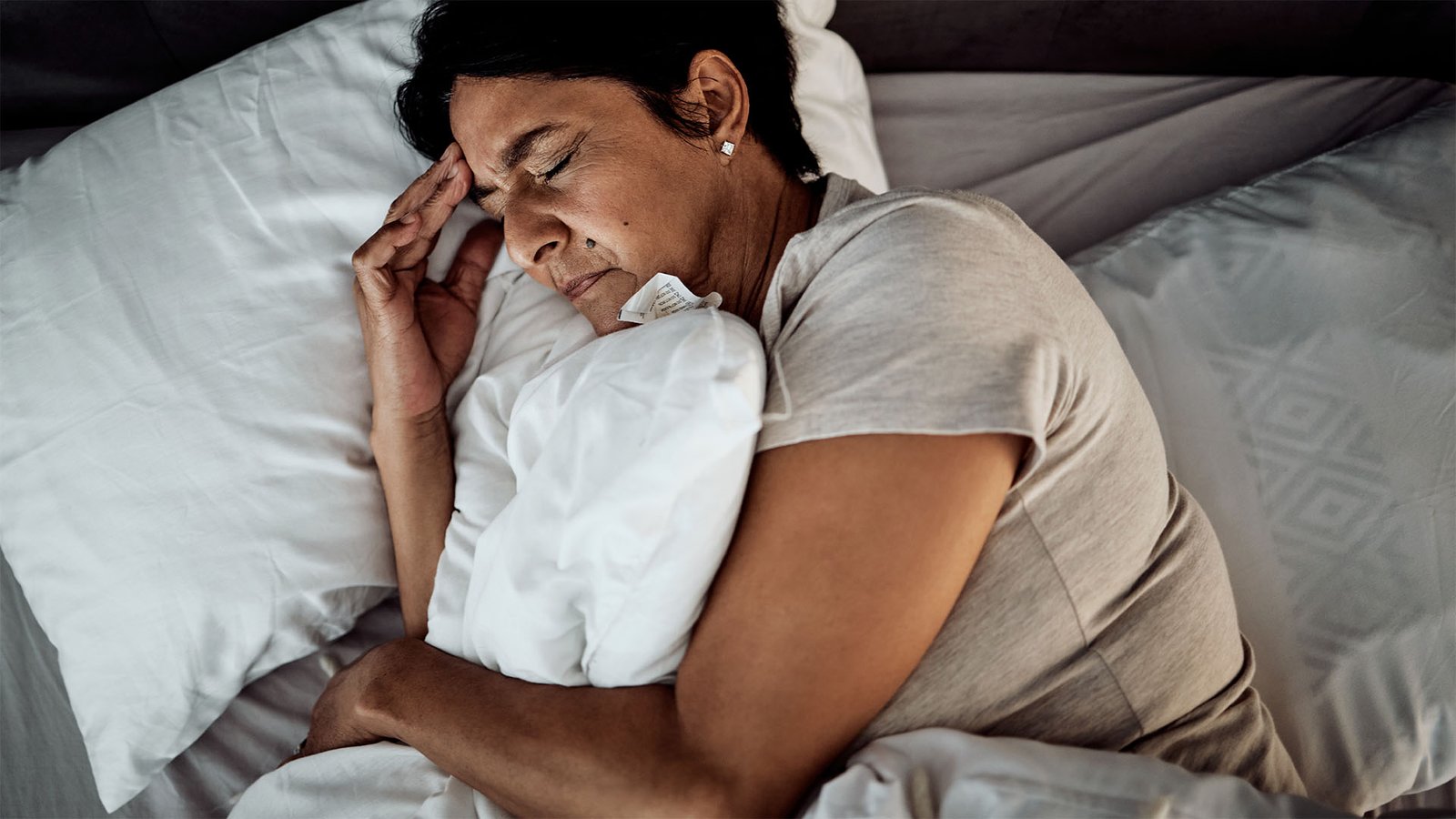
The most common genital and bladder symptoms of perimenopause are dryness, painful sex, decreased libido, and a sudden urge to urinate or leakage with coughing or exercise. These changes come from falling estrogen, which reduces moisture, thins tissues, and changes the vaginal microbiome. Alongside these familiar concerns, women sometimes develop less expected symptoms that are just as real but rarely discussed11, 12.
Perimenopause is not a checklist of three symptoms. It is a transition that touches nerves, senses, skin, mouth, mood, sleep, and the entire genitourinary tract. The mix is personal, but the biology is consistent.
If you recognize yourself in the descriptions above, you are not alone and you are not imagining it. For practical steps, evidence summaries, and treatment options, explore the articles under Symptom Management, where I break each symptom cluster down and show what actually helps.
Dr. Jūra Lašas
1.
Brinton, R. et al. Perimenopause as a neurological transition state. (2015) https://doi.org/10.1038/nrendo.2015.82
2.
Lu, W. et al. A review of multi-modal magnetic resonance imaging studies on perimenopausal brain: a hint towards neural heterogeneity. (2023) https://doi.org/10.1007/s00330-023-09549-5
3.
Santoro, N. et al. The Menopause Transition: Signs, Symptoms, and Management Options. (2020) https://doi.org/10.1210/clinem/dgaa764
4.
Celle, S. et al. Prevalence and clinical correlates of restless legs syndrome in an elderly French population: the synapse study. (2010) https://doi.org/10.1093/gerona/glp161
5.
Taga, T. et al. Menopausal symptoms are associated with oral sensory complaints in perimenopausal women: an observational study. (2021) https://doi.org/10.1186/s12905-021-01401-6
6.
Hazlina, N. et al. Prevalence of Psychosomatic and Genitourinary Syndrome Among Menopausal Women: A Systematic Review and Meta-Analysis. (2022) https://doi.org/10.3389/fmed.2022.848202
7.
Mogilnicka, I. et al. Microbiota and Malodor-Etiology and Management. (2020) https://doi.org/10.3390/ijms21082886
8.
Ashraf, M. et al. Menopause, skin and common dermatoses. Part 4: oral disorders. (2022) https://doi.org/10.1111/ced.15341
9.
Zhang, T. et al. Unraveling the core and bridge menopausal symptoms of perimenopausal women: a network analysis. (2024) https://doi.org/10.1097/GME.0000000000002431
10.
Troìa, L. et al. Sleep Disturbance and Perimenopause: A Narrative Review. (2025) https://doi.org/10.3390/jcm14051479
11.
Aziz, S. et al. Sexual Dysfunction in perimenopausal women. (2022) https://doi.org/10.4103/0019-5545.342014
12.
Bilgiç, D. et al. Sexual function and urinary incontinence complaints and other urinary tract symptoms of perimenopausal Turkish women. (2019) https://doi.org/10.1080/13548506.2019.1595679

Eat to Thrive
Healthy Body & Mind
Brain & Mind Wellness

Treatments & Supplements

Eat to Thrive

Understanding Menopause
Scientific Research
Understanding Menopause

Eat to Thrive

Lifestyle & Self-Care
Scientific Research

Exercise & Nutrition

Eat to Thrive
Symptoms Explained

Eat to Thrive

Eat to Thrive

Scientific Research
Treatments & Supplements

We use cookies and similar technologies to ensure the proper functioning of our website, personalize content, provide social media features, and analyze traffic. By clicking “I Agree”, you consent to the use of these technologies.
No results