25 November 2025
Science Digest: Eating Your Way to Health And Longevity

Reading time 8 min

Reading time 8 min
This week’s paper, “Optimal dietary patterns for healthy aging”, was published March 2025 in Nature Medicine – one of the world’s highest-ranked (Q1) medical journals1. I selected this paper because “healthy aging through diet” is everywhere right now, from Instagram wellness influencers to your Facebook feed.
Everyone’s talking about what to eat to age well, but most of the advice is either vague (“eat more vegetables”) or contradictory. This study presents 30 years of data from over 100,000 people (both women and men).
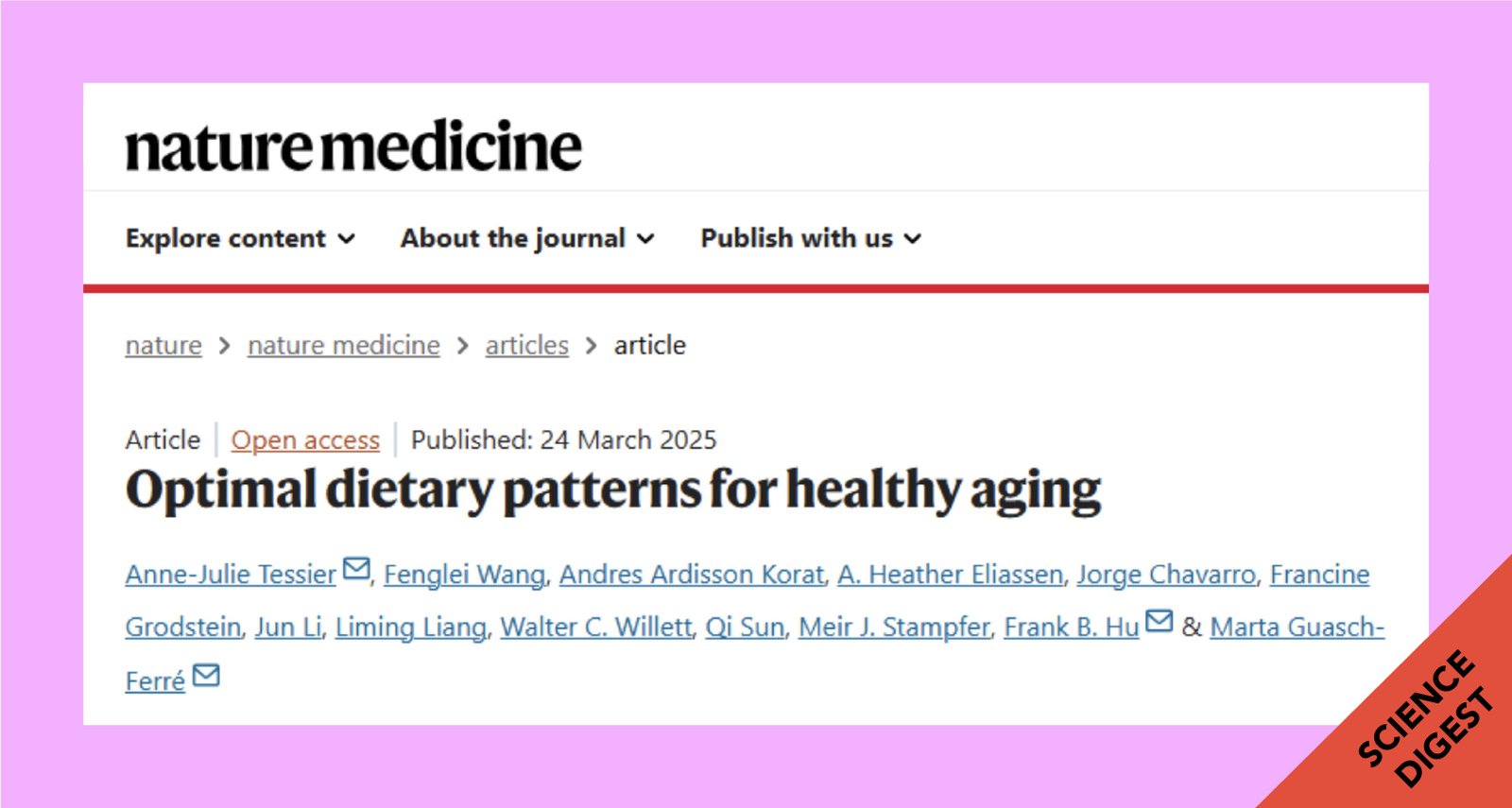
Researchers from Harvard examined data from more than 105,000 adults across two of the most influential long-term studies: the Nurses’ Health Study and the Health Professionals Follow-Up Study.
This was a prospective observational analysis (not an interventional study) but with up to 30 years of follow-up, it offers rare insight into how midlife habits influence aging. They defined healthy aging as living to at least 70 years with good cognitive, physical, and mental health, and no major chronic diseases.
The team assessed adherence to 8 well-known dietary patterns:
A diet quality score based on foods and nutrients linked to lower risk of chronic disease, emphasizing vegetables, fruits, whole grains, and healthy fats while limiting red and processed meat, sugar, and sodium.
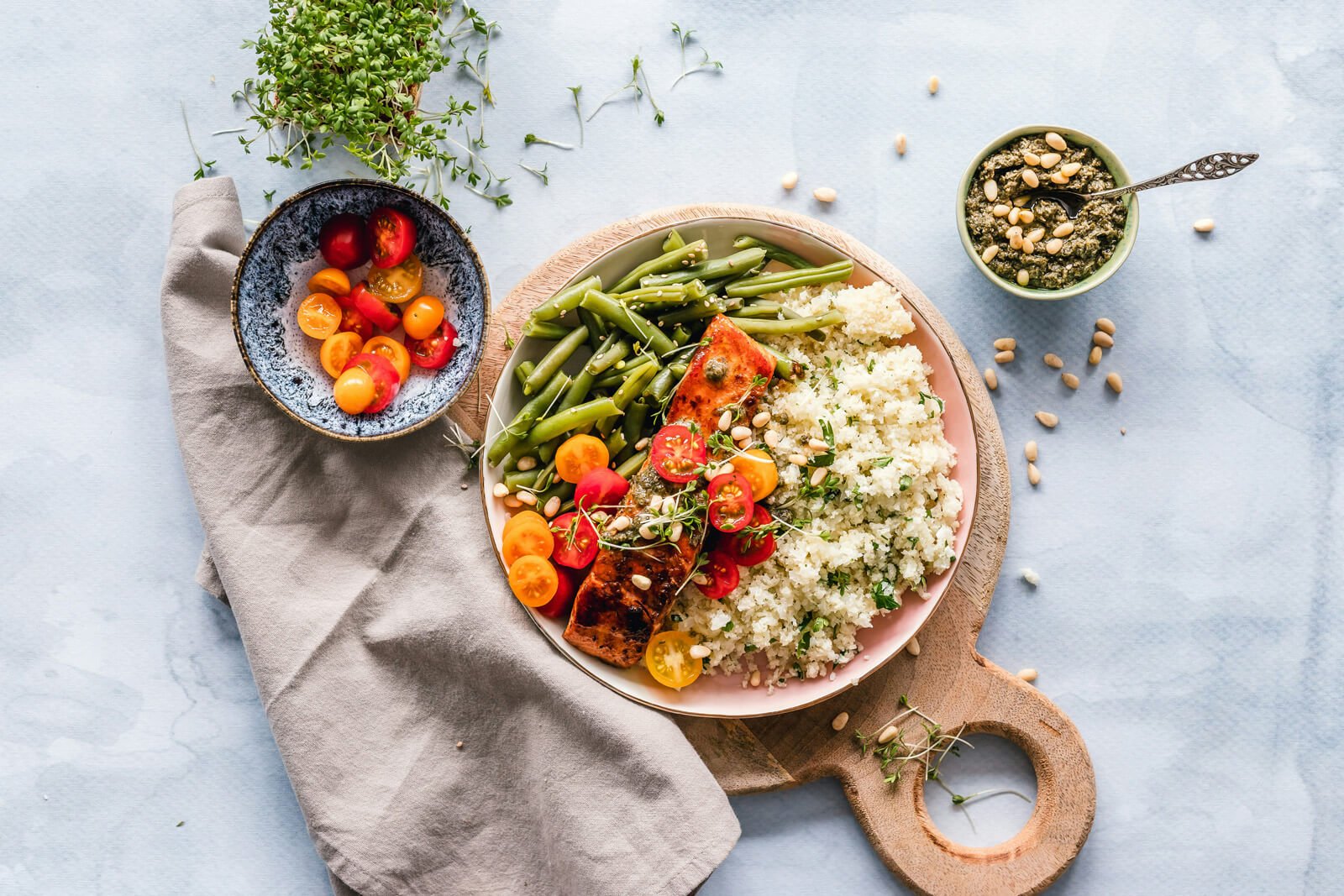
A dietary pattern rich in olive oil, fruits, vegetables, legumes, nuts, fish, and whole grains, with moderate wine and low red meat intake, long associated with cardiovascular and metabolic benefits.
A plan developed to lower blood pressure through high intake of fruits, vegetables, low-fat dairy, and whole grains, while reducing salt, sugar, and saturated fat.
A hybrid of the Mediterranean and DASH diets focusing specifically on brain health, highlighting leafy greens, berries, nuts, and olive oil.
A scoring system that rewards intake of healthy plant foods like whole grains, fruits, vegetables, nuts, and legumes, while penalizing refined grains, sweets, and animal products.
A diet model designed to support both human and environmental health by emphasizing plant-based foods, sustainable protein sources, and reduced meat consumption.
A pattern developed from biomarker data showing how different foods influence insulin levels, reversed here so that higher scores represent lower insulin-stimulating potential.
A pattern derived from foods’ effects on inflammatory biomarkers, reversed so that higher scores reflect a more anti-inflammatory eating pattern.
After 30 years, only 9.3% of people met the full definition of healthy aging.
“People who followed the Alternative Healthy Eating Index (AHEI) closely were 86% more likely to age well, and the benefits were even greater when the age limit was raised to 75.”
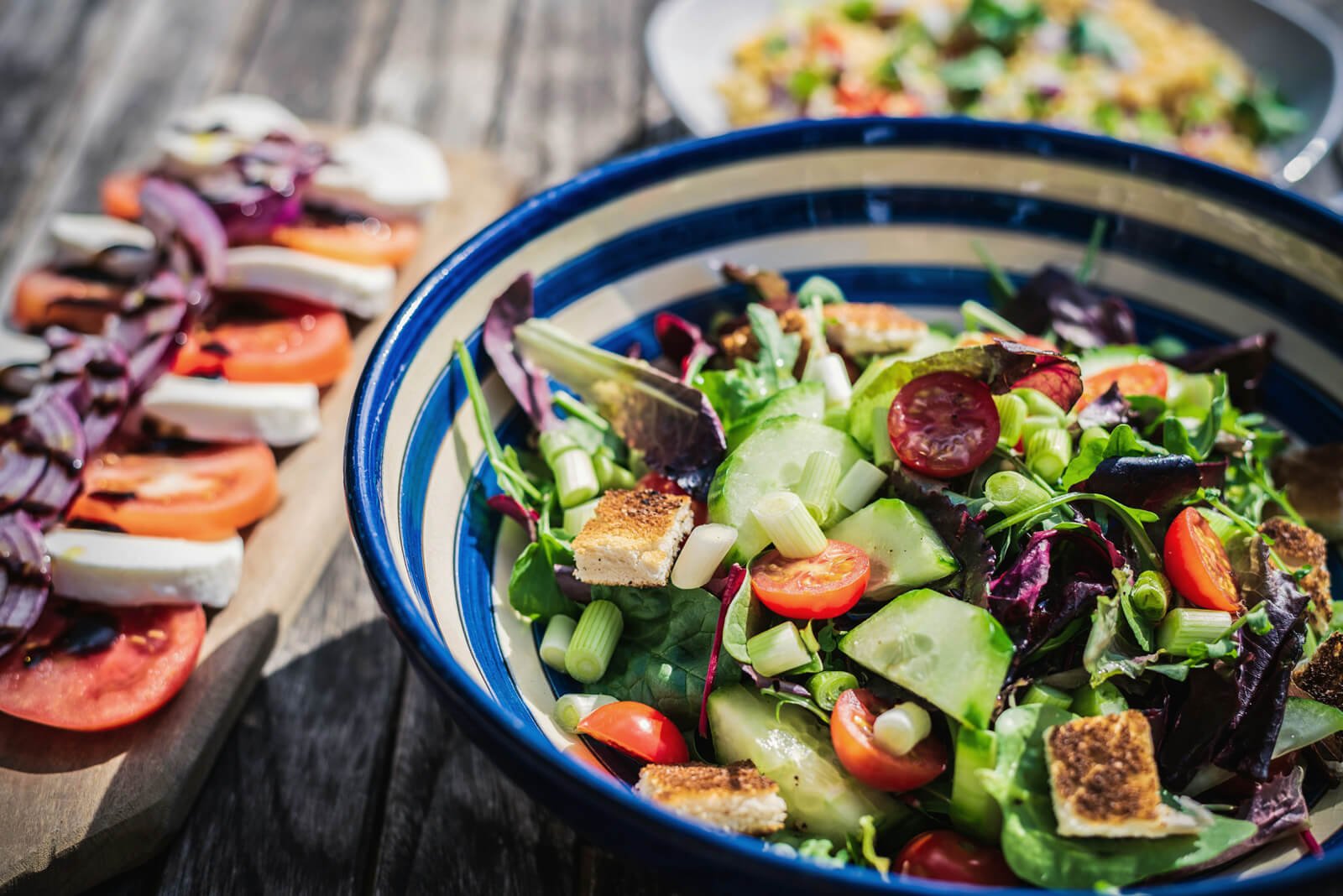
Other strong performers included the Planetary Health Diet, Mediterranean Diet, and DASH patterns. The weakest link was the strictly plant-based diet, which didn’t well predict healthy aging.
Eating more fruits, vegetables, whole grains, nuts, legumes, low-fat dairy, and healthy fats was linked to better aging, while diets high in salt, trans fats, sugary drinks, and red or processed meat were linked to worse outcomes. Those who ate the most ultra-processed foods had 32% lower odds of healthy aging.
The benefits were stronger in women, but both men and women clearly aged better eating a higher-quality diet.
Despite its impressive scale, this research has notable constraints.
First, the population was predominantly white health professionals with higher-than-average education and socioeconomic status. This limits generalizability to more diverse populations with different food access and socioeconomic realities.
Second, cognitive and physical function were assessed using self-reported questionnaires rather than objective measurements or clinical assessments. While these tools are validated, they’re not as precise as direct cognitive testing or physical performance measures.
Third, food choices were measured through food frequency questionnaires every four years. Although these are good tools used extensively in nutrition research, they rely on memory and let’s face it, who remembers everything they ate in the last couple of days? People also tend to underreport unhealthy foods and overreport healthy ones.
Finally, the definition of “healthy aging” was very strict, which is why only 9.3% of participants achieved it. This outcome (healthy aging vs. usual aging) doesn’t capture the gradient of aging experiences. Many people who didn’t meet all criteria still aged relatively well.

This paper strengthens what decades of smaller studies have shown: there’s no single “miracle diet.” Instead, longevity and vitality are linked to overall dietary patterns – regularity, nutrient density, and balance.
What’s new here is the comprehensive outcome measure not just avoiding disease, but maintaining cognitive, physical, and mental function into older age.
The results align with data from earlier studies done in France, China, and Australia showing that diets high in whole, minimally processed foods and plant-forward diversity reduce chronic disease risk and preserve function. It also adds nuance to the “plant-based equals best” narrative.
Diets that allowed moderate animal-based foods: fish, eggs, and dairy, outperformed strictly vegan diets. In other words, flexibility, not extremism, appears to support the healthiest long-term outcomes.
What this research makes clear is that nutrition in your 40s and 50s shapes how you age later, from brain clarity to muscle strength to emotional balance. Food isn’t just fuel; it’s a long-term investment in independence and quality of life. Will you be hiking and traveling, or managing multiple medications and mobility limitations?
“Food isn’t just fuel; it’s a long-term investment in independence and quality of life.”
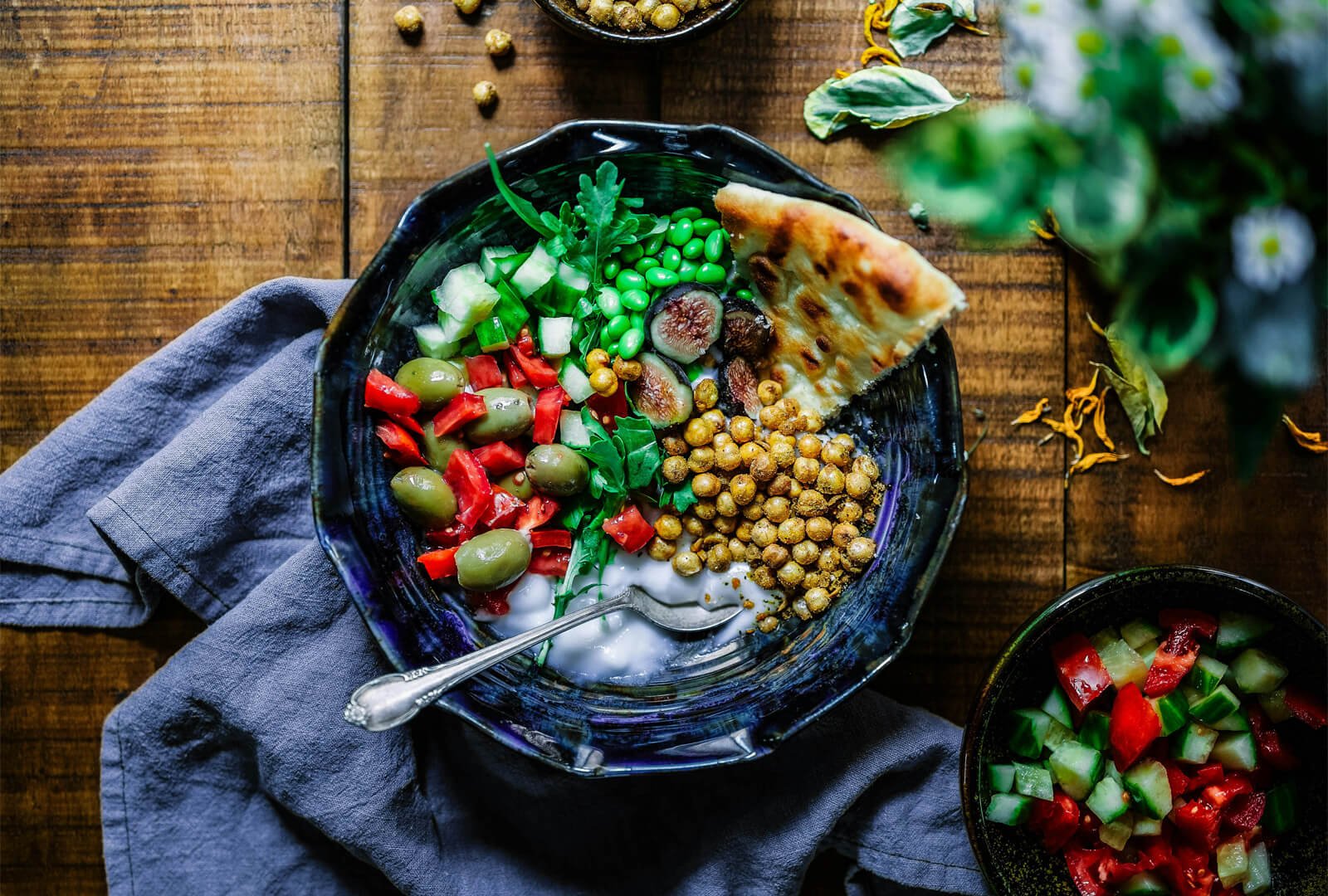
The food patterns that showed the strongest benefits aren’t extreme or restrictive. They emphasize:
You don’t need to be perfect. Even people who followed healthy diets fairly well had much better outcomes than people with poor diets. Small, sustained improvements matter. The ultraprocessed food harm is particularly relevant given how much of the modern food environment is engineered for convenience. If most of your diet comes from packages, this is a clear signal to shift toward more whole foods prepared at home.
This study is an important reminder that aging well starts long before we call it aging. It’s not about the latest supplements or trendy “anti-inflammatory” recipes; it’s about what you eat most days, for most years. The science supports what common sense tells us: whole foods, fiber, healthy fats, and moderation build longevity and health.
What strikes me most is the comprehensive nature of “healthy aging” they measured. It’s not enough to avoid heart disease if you can’t remember your grandchildren’s names or climb a flight of stairs.
The differences between dietary patterns are also informative. The AHEI performed best, which makes sense, it was specifically designed based on foods and nutrients most strongly linked to chronic disease.
The Mediterranean diet showed strong benefits as well. This suggests that while details matter, the broad strokes are more important than obsessing over whether to eat exactly like someone from Crete.
I also appreciate that this study doesn’t support dietary extremism. Moderate intake of fish, poultry, eggs, and dairy fits within the best-performing patterns. You don’t need to eliminate entire food groups to age well. The “everything in moderation” advice that makes people roll their eyes actually holds up when you look at long-term data.
Dr. Jūra Lašas
1.
Tessier, A. et al. Optimal dietary patterns for healthy aging. (2025) https://doi.org/10.1038/s41591-025-03570-5
Eat to Thrive

Healthy Body & Mind
Brain & Mind Wellness

Treatments & Supplements
Eat to Thrive

Understanding Menopause
Scientific Research

Understanding Menopause

Eat to Thrive

Lifestyle & Self-Care

Scientific Research

Exercise & Nutrition
Eat to Thrive

Symptoms Explained
Eat to Thrive
Eat to Thrive
Scientific Research
Treatments & Supplements

We use cookies and similar technologies to ensure the proper functioning of our website, personalize content, provide social media features, and analyze traffic. By clicking “I Agree”, you consent to the use of these technologies.
No results