13 January 2026
How Menopause Re‑wires Memory and Focus?

Reading time 8 min

Reading time 8 min
You walk into a room and forget why. You start telling a story and lose your train of thought halfway through.If this sounds familiar, you’re not alone. Around two-thirds of women report some kind of cognitive difficulty during the menopause transition1.
Let’s be clear: this isn’t dementia. But it’s not just in your head either. Cognitive changes during the menopause transition are real, biologically driven, and validated by decades of research. They’re subtle for most women, but they can be frustrating, especially when they interfere with work, relationships, or your sense of self.
How does menopause change memory and focus?
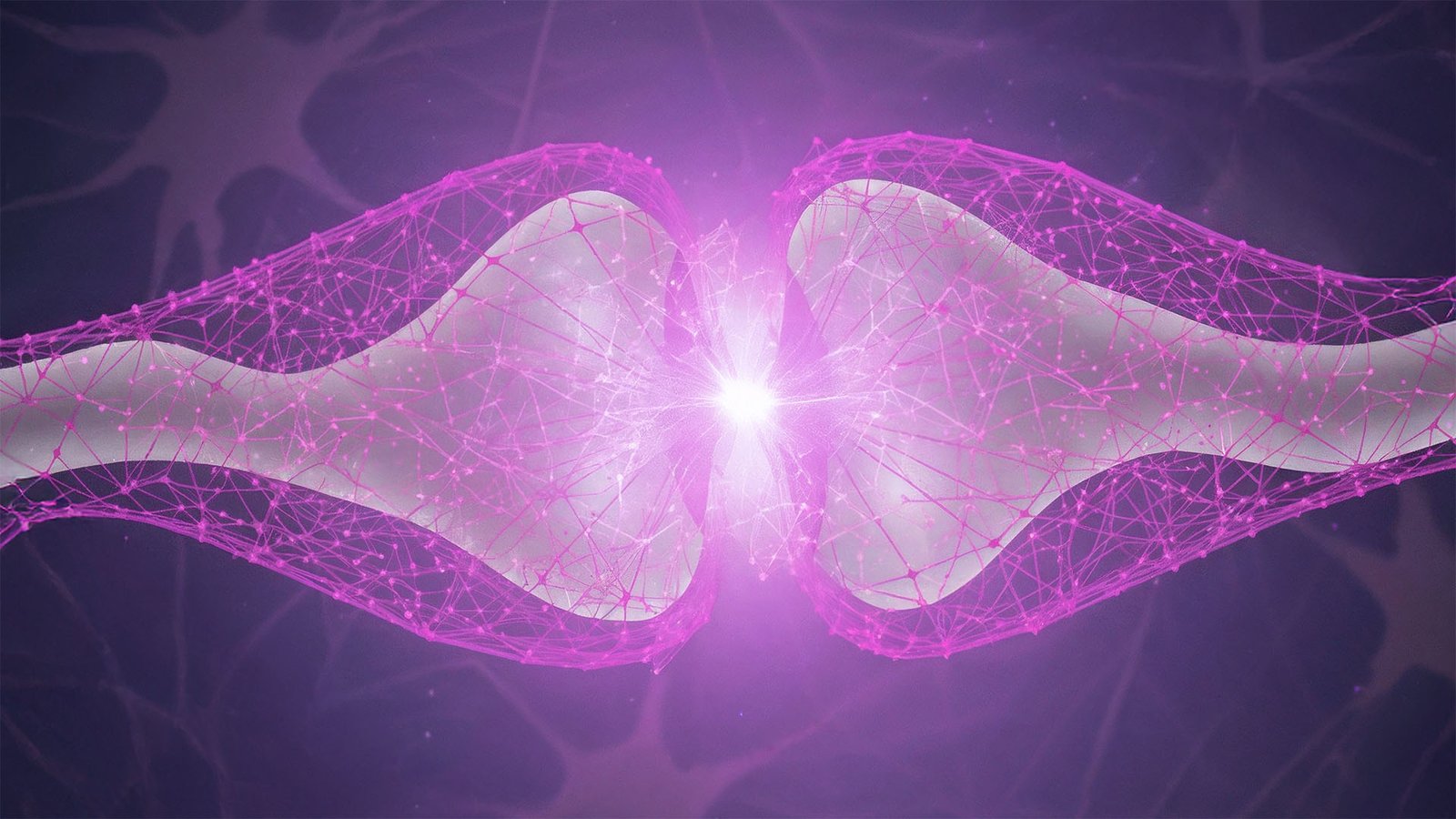
Estrogen declines alter synapses, brain energy use, and key neurotransmitters, which can affect verbal memory, attention, and processing speed. Most changes peak around the final period and ease after. Early menopause raises long-term risk; hormone therapy is not recommended solely for cognition.
Menopause transition is a hormonal change that influences the rest of your biology. As estrogen levels decline, the brain, which is rich in estrogen receptors, also feels the change2.
Estrogen supports brain function in several ways:
As estrogen declines during perimenopause, some of these supportive systems weaken.
In the SWAN study, women before menopause showed typical practice effects on cognitive tests (meaning they got better at the tests with repetition). On average women in perimenopause failed to show these improvements, suggesting their brains were working harder to maintain the same level of function. Once they reached early postmenopause, those practice-related gains returned3.
“Research tells us something crucial: the cognitive changes are largely time-locked to the transition itself. Your brain isn’t permanently affected – it’s adapting to a new hormonal environment.”
Not all cognitive abilities are equally vulnerable during the menopause transition. Research has identified specific domains that are most sensitive to hormonal changes4:
On the other hand some cognitive functions were not affected by the menopause transition:

While most cognitive changes are short-term and manageable, early menopause (before age 45) is associated with a higher risk of cognitive decline and dementia later in life. Especially in women who had surgical menopause (ovary removal), the sudden loss of estrogen seems to accelerate brain aging. This risk appears lower when estrogen therapy (Hormone Replacement Therapy) is continued until the natural age of menopause (about 50 years of age)5, 6.
This doesn’t mean menopause causes dementia. But it does mean that longer lifetime exposure to estrogen seems protective for the brain.


Given estrogen’s role in brain function, you might wonder: can hormone therapy help? This is where things get complicated.
Early observational studies suggested that hormone therapy could protect against cognitive decline. But large randomized trials like the Women’s Health Initiative Memory Study (WHIMS) found that hormone therapy actually increased dementia risk in women aged 65 and older. But when hormone therapy is started around the time of menopause (in the 50s), the results are neutral or mildly positive7, 8.
Professional medical societies agree: hormone therapy is not recommended to prevent cognitive decline or dementia. The evidence shows that while hormone therapy can be valuable for managing menopausal symptoms like hot flashes, any cognitive benefits are too small and uncertain to justify its use for brain protection alone.
The research on cognitive function during the menopause transition is both validating and reassuring. Yes, the changes you’re experiencing are real – science has provided proof. What I find most encouraging is that cognitive function often bounces back after the menopause transition.
The turmoil of perimenopause, with its wildly fluctuating hormones, appears to be the most challenging time for the brain.
Once hormones stabilize in postmenopause, many women find their cognitive abilities return to baseline.
For women with early menopause, the stakes are higher, and timely intervention may be important. But for most women going through typical menopause, the cognitive changes are a temporary inconvenience, not a permanent disability.
Dr. Jūra Lašas
1.
Maki, P. et al. Cognition and the menopause transition. (2016) https://doi.org/10.1097/GME.0000000000000681
2.
Metcalf, C. et al. Cognitive Problems in Perimenopause: A Review of Recent Evidence. (2023) https://doi.org/10.1007/s11920-023-01447-3
3.
Greendale, G. et al. Effects of the menopause transition and hormone use on cognitive performance in midlife women. (2009) https://doi.org/10.1212/WNL.0b013e3181a71193
4.
Greendale, G. et al. The Menopause Transition and Cognition. (2020) https://doi.org/10.1001/jama.2020.1757
5.
Georgakis, M. et al. Surgical menopause in association with cognitive function and risk of dementia: A systematic review and meta-analysis. (2019) https://doi.org/10.1016/j.psyneuen.2019.03.013
6.
Girard, R. et al. Hormone therapy at early post-menopause increases cognitive control-related prefrontal activity. (2017) https://doi.org/10.1038/srep44917
7.
Gleason, C. et al. Long-term cognitive effects of menopausal hormone therapy: Findings from the KEEPS Continuation Study. (2024) https://doi.org/10.1371/journal.pmed.1004435
8.
Hogervorst, E. et al. Cognition and mental health in menopause: A review. (2021) https://doi.org/10.1016/j.bpobgyn.2021.10.009

Eat to Thrive
Healthy Body & Mind
Brain & Mind Wellness

Treatments & Supplements

Eat to Thrive

Understanding Menopause
Scientific Research

Understanding Menopause

Eat to Thrive

Lifestyle & Self-Care
Scientific Research

Exercise & Nutrition

Eat to Thrive

Symptoms Explained

Eat to Thrive

Eat to Thrive

Scientific Research

Treatments & Supplements

We use cookies and similar technologies to ensure the proper functioning of our website, personalize content, provide social media features, and analyze traffic. By clicking “I Agree”, you consent to the use of these technologies.
No results